
Last updated November 22, 2026
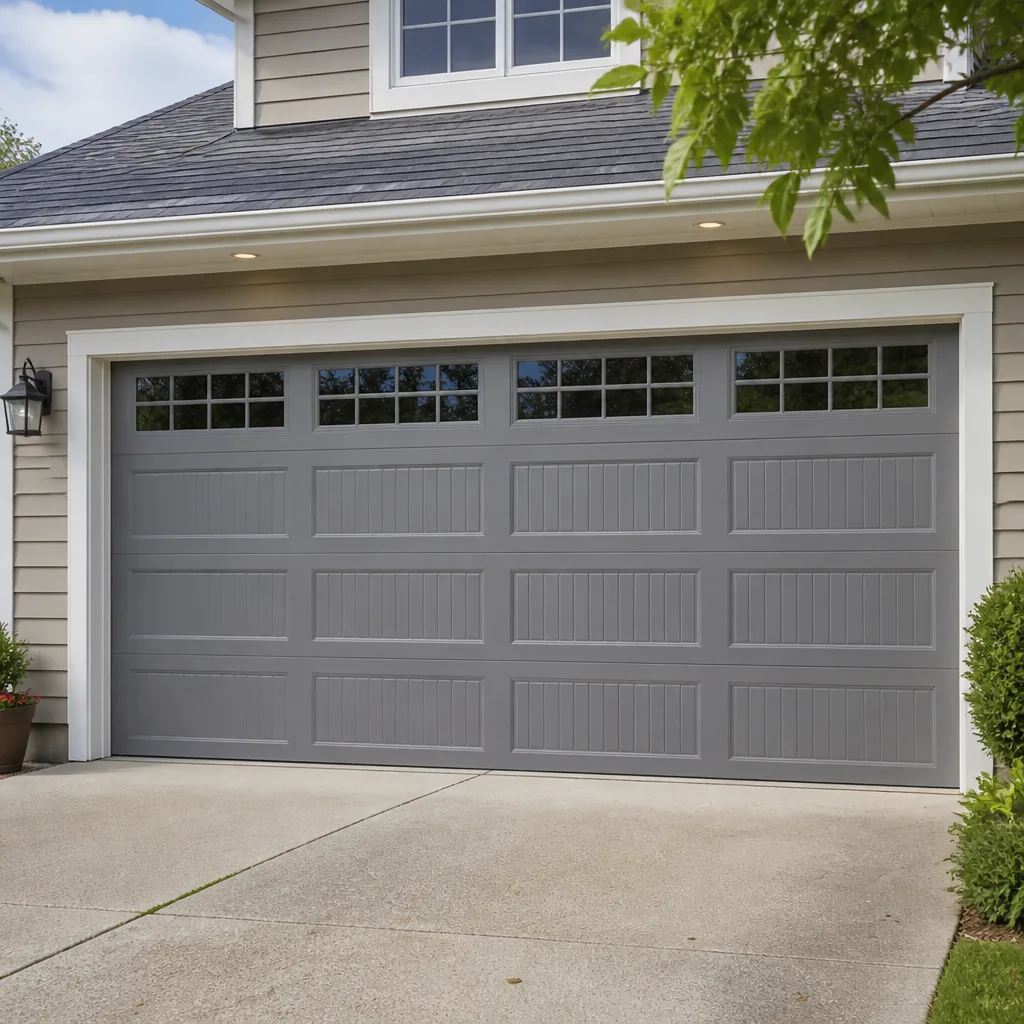 Raised-panel steel
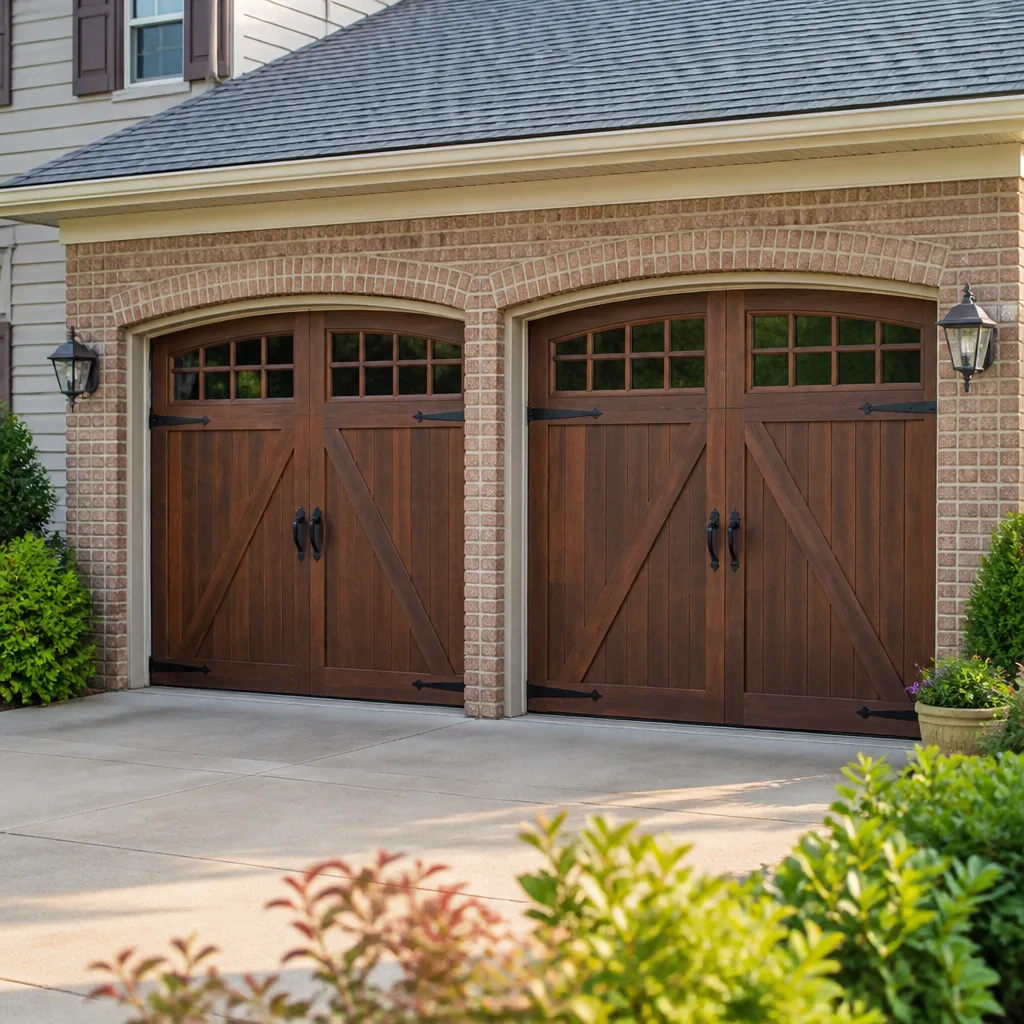 Carriage house
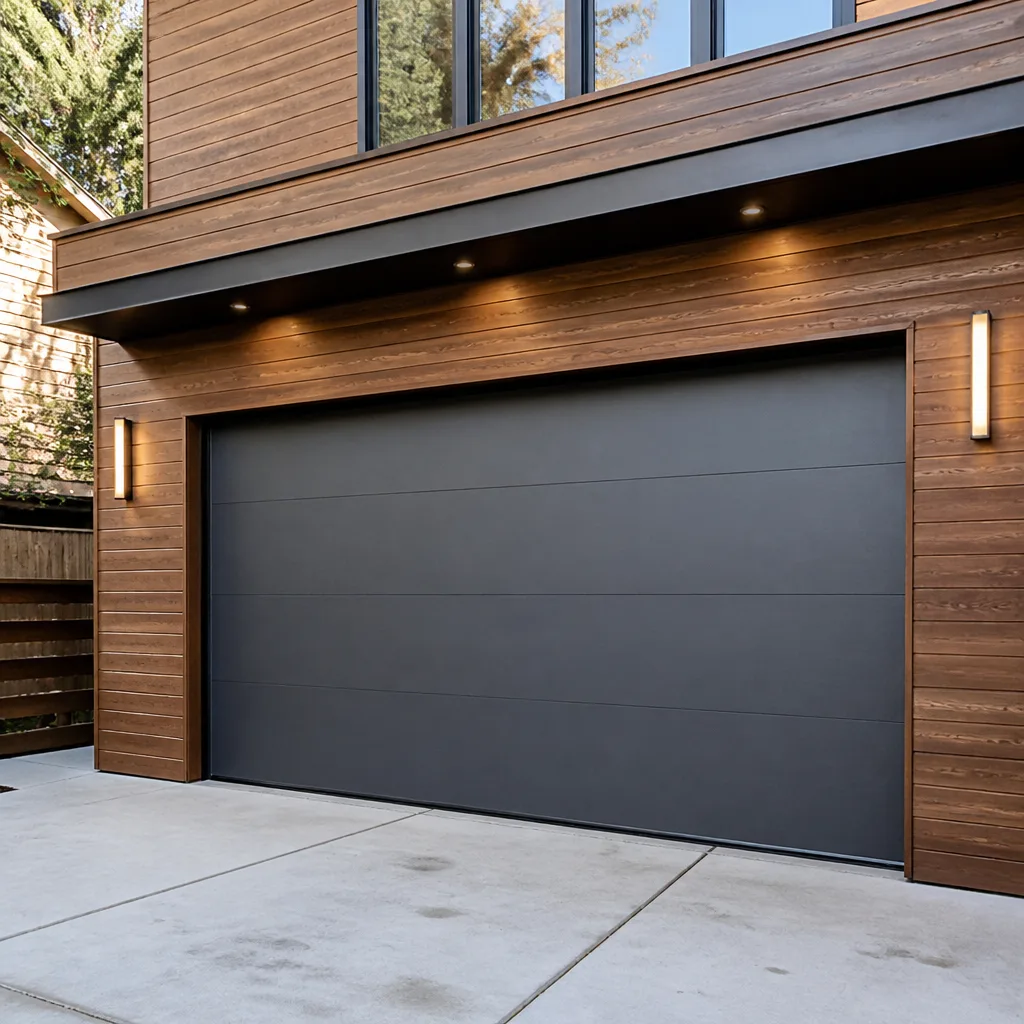 Modern flush
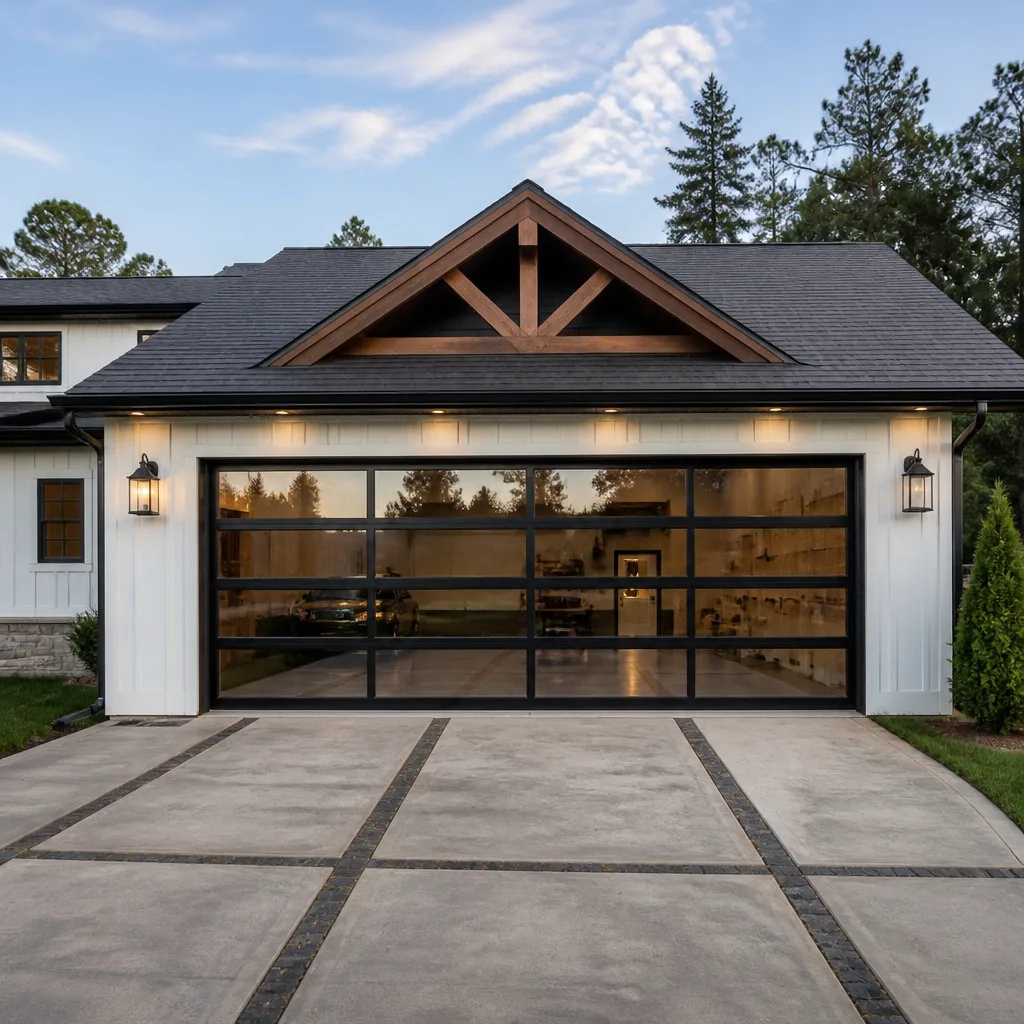 Full-view glass
 LiftMaster openers
 Chamberlain openers
Full 25-point door and opener safety check with every visit - springs, cables, rollers, tracks, and your LiftMaster or Chamberlain opener included
You get a price before we start. It does not change when the pro arrives.
Get your free estimateThe Complete Guide to Garage Doors in Como
Your garage door is the largest moving part of your home and, in a Como winter, often the least insulated wall facing north – yet most homeowners know less about it than their water heater. That gap has a cost. Springs snap in January because nobody checked them in October. Bottom seals rot through a freeze-thaw cycle nobody noticed. And an opener that is rated for the wrong door gets blamed for problems the door itself is causing.
This guide treats the garage door like the engineered system it is: springs and cables under load, a door panel built to certain layers, an opener matched to a weight, and a data plate that tells you how long the whole assembly expects to last. You’ll learn how Como’s climate works against each of those parts, how to read what’s on the door instead of guessing, and how to decide between repair and replacement. Como homeowners get a lot of years out of a well-chosen door. The point of this guide is to make sure you know which years those are.
Quick Answer
A garage door in Como is a three-part system – panels and seals, a torsion or extension spring counterbalance, and an opener – and each part fails on its own clock. Insulated multi-layer doors hold heat against a shared wall, spring and cable parts degrade fastest through the freeze-thaw cycle, and a full replacement should be measured, ordered and scheduled rather than rushed. Repair is usually the cheaper answer up to the point where the panels themselves are compromised.
Styles & brands we work with
- Raised-panel steel
- Carriage house
- Modern flush
- Full-view glass
- LiftMaster openers
- Chamberlain openers
Table of Contents
- How Como’s Climate Stresses Your Door
- Single-Layer, Double-Layer, Triple-Layer: What You’re Actually Buying
- How to Read Your Door’s Data Plate
- What the Full Service Lifecycle Means
- Owning a Branded Opener Doesn’t Lock You In
- Repair or Replace? A Decision Framework
- A Seasonal Checklist for Como Doors
- Springs, Cables and Safety
How Como’s Climate Stresses Your Door
Como’s freeze-thaw cycle is the single most punishing thing your garage door deals with, and it works on parts most homeowners never look at. Every cycle moves moisture into a joint and then expands it as ice, then releases it as meltwater. That motion repeats dozens of times across a Minnesota season, and it doesn’t care how new the door is.
Springs feel it as stress fatigue. A torsion spring is a coiled steel part held under constant tension, and temperature swings change how that steel behaves. Cold mornings make the metal less forgiving, and a spring that was already near the end of its rated cycles can fail on the first hard freeze. Cables corrode and fray where moisture sits against them. Bottom seals harden, crack and pull away from the door face, which lets in snowmelt and grit that then wears on the tracks and rollers.
Here’s how each part tends to behave in Como:
- Springs: Cold-stiffened steel, repeated load cycles, and moisture in the coils all shorten service life. A door that cycles four times a day is quietly using up its spring’s rated life faster than the homeowner realizes.
- Cables: Fraying and rust show up first at the drum end. A frayed cable is a safety issue, not a maintenance item to defer.
- Bottom seals: The rubber or vinyl seal meets ice, road grit and standing meltwater. A cracked seal leaks air and water and stresses the door’s balance.
- Hinges and rollers: Grit carried in on tires works into the moving joints. Grinding or squealing is a symptom worth reading.
- Tracks: Frost heave and settling can throw a track slightly out of plumb, which makes the door bind and the opener work harder than it should.
The practical takeaway: a Como door benefits from a check in late fall before the first freeze, not in January after something breaks. That single habit intercepts most winter failures.
Single-Layer, Double-Layer, Triple-Layer: What You’re Actually Buying
Most Como homeowners shopping for a replacement hear “insulated” and assume it means one thing. It doesn’t. Garage doors are built in three basic constructions, and the difference decides whether the door acts as a thermal boundary or a decorative panel over a cold garage.
- Single-layer: A steel skin with no insulation and no back panel. It’s the thinnest, lightest and least expensive build. It works fine on a detached garage or one where the garage is unconditioned and shares no wall with living space.
- Double-layer: A steel skin with an insulating layer bonded to the back. Better than single-layer at holding heat and quieter in operation, but it has no second steel face, so it offers less structural rigidity.
- Triple-layer: Steel skin, insulation core, and a steel back panel, so the door is a sandwich. This is the build that holds heat when the garage shares a wall with the house, and it’s typically the stiffest and quietest of the three.
Why R-value matters in Como specifically: when your garage shares a wall with living space, that wall and the garage door together make up the thermal boundary between the heated house and the outdoors. A poorly insulated door pulls warmth out of the rooms behind that shared wall all winter, and the effect is most noticeable on the coldest stretches when the furnace is already working hard. If your garage is fully detached, single-layer is a reasonable, honest choice. If it’s attached and shared, triple-layer earns its price in Como.
Beyond layers, three more details actually change how a door performs:
- Panel material and gauge. Steel gauge affects stiffness and dent resistance. Heavier gauge resists a bumped car or a stray ladder better.
- Section joints and seals. Every joint between sections is a place air and water can get in. Interlocking seals matter in a cold climate.
- Window and hardware choices. Windows in a door are lovely and also the weakest thermal point. If you want light, add insulation and seals around that section.
When it’s time to actually order one, we handle both the measure and the install. Full details live on our garage door installation page. Nothing is promised on a schedule until the door is measured and the written price is signed.
How to Read Your Door’s Data Plate
Every professionally made garage door carries a data plate, usually a sticker on the inside face of a section or a label near the bottom bracket. That little plate is the closest thing your door has to a birth certificate, and almost nobody reads it. Here’s what to look for.
- Manufacturer and model. This is the identity of the door. Write it down. When you call for a repair or a matching panel, the model tells the technician what they’re dealing with before anyone arrives. If the brand is Clopay, Amarr, Chamberlain or Genie, say so.
- Section and door dimensions. Width and height matter for any replacement panel or seal order. A door’s true size isn’t always what the rough opening measures.
- Weight. The door’s weight is the number that matches opener capacity. A door too heavy for its opener is a slow-motion failure.
- Cycle rating. This is the one homeowners miss. Springs and hardware are rated in cycles, and each open-and-close is one cycle. A typical residential spring is rated in the thousands of cycles; how many years that translates to depends entirely on how often you use your door.
Here’s the practical math. If you leave and return twice a day, that’s four cycles. If you have a busy household with multiple drivers, it’s more. The rated cycles on the plate divided by your daily cycles tells you the expected life in days, not years. A door used heavily can consume its rated life faster than a door used rarely, even in the same Como neighborhood.
Write the data plate info down and keep it somewhere you’ll find it. When a spring or cable needs attention, that number saves everyone time. If your opener is the failing part instead, our page on garage door opener repair explains how we diagnose unit by unit.
What the Full Service Lifecycle Means
“Full lifecycle” is an industry phrase that means one company can carry your door from the first measure through every repair in its life and, eventually, a replacement. It sounds like a marketing line until you’ve been the homeowner bouncing between an installer, a repair tech, and an opener specialist who each blame the other’s work.
Here’s why having one company do the whole loop matters in practice:
- The installer knows the baseline. If the same company measured and hung the door, they know its weight, its exact model, and its spring rating. That baseline makes every later repair faster and more accurate.
- The repair tech knows the door, not just the symptom. A tech who has seen your model before knows its quirks. They don’t have to rediscover the panel you have to order parts. If you own an Amarr or a Clopay, that knowledge is specific, not generic.
- Warranty and responsibility stay in one place. No finger-pointing between a door installer who says the opener failed and an opener company who says the door is out of balance.
- No unnecessary upselling. A one-trade company that only does garage doors has no reason to sell you a new door when a spring repair will do.
The compromise of splitting the work is real. Homeowners who buy a door from one company and use another for repair discover that neither company has a complete picture. In our experience, the cleanest outcomes come from keeping the installer and the repairer under the same roof, even if that means scheduling a repair a day later than the closest option.
At Garage Door Repair Como, all five core services stay with one company: garage door repair, opener repair, spring repair, installation, and emergency service. Whether the door needs a new spring now or a full replacement next year, you are not managing multiple contractors.
Owning a Branded Opener Doesn’t Lock You In
Here’s a common misconception worth clearing up: buying a LiftMaster, Chamberlain, Genie, Clopay, Amarr, Wayne Dalton, Craftsman or Raynor product does not mean you have to use that brand’s service network. Garage door service is not like a car dealership. Any competent technician who works on your brand can maintain, repair or replace it.
What actually matters is whether your technician has worked on your specific unit. Brand-specific knowledge comes in handy: knowing how a particular opener’s travel limits are set, which model years used a recalled component, what a certain Clopay section’s seals look like. That knowledge is what a multi-brand specialist brings.
Here’s how to think about brand compatibility when scheduling a repair:
- Tell us your brand. Say the brand and the approximate model if you have it. The data plate is your friend here.
- Know your opener’s generation. Older Chamberlain and Genie openers have different travel-limit systems than newer ones. The generation matters more than the sticker.
- Confirm what’s branded. Some homeowners have a branded opener that came with an unbranded door. If the door isn’t branded, that’s fine. What matters is the parts on the unit.
Our technicians work across all eight of the leading brands – LiftMaster, Chamberlain, Genie, Clopay, Amarr, Wayne Dalton, Craftsman and Raynor – so brand ownership is never a reason to replace a working system. That’s not a sales pitch; it’s the reason a homeowner with an older branded door avoids an unnecessary replacement.
The broader guide to choosing a garage door specialist in Como is on our home page at Garage Door Repair Como.
Repair or Replace? A Decision Framework
Most Como homeowners facing an expensive repair eventually ask whether they should just replace the door. There’s no formula, but there are four questions that sort out most cases.
- What’s actually broken? Springs, cables, rollers, hinges and opener electronics are all replacement parts. Panels and frames are the door. If the problem is inside the parts list, repair almost always wins.
- How old is the door relative to its rated cycles? Read the data plate. If you’re near the rated cycle life in real use, a replacement may be the better long-term spend. If you’re well short of it, repair extends the door’s useful life for years.
- Are the panels sound? Dents, rust-through at the bottom, and cracked or separated skins are structural. Insulation on a compromised panel is decorative. If the panels have failed, replacement is honest.
- How does it perform thermally? If the garage shares a wall with living space, and the door is single-layer, replacing it with triple-layer changes how your house holds heat. That upgrade is real money over a season in Como.
One more piece of the framework worth naming: reliability. A door that has been through a serious spring failure and a cable failure in the same year is telling you something about its other parts. That’s not a foregone conclusion, but it’s a conversation worth having with the estimate in hand.
Either way, no work starts until we’ve written the estimate and you’ve agreed to it. That’s the rule.
A Seasonal Checklist for Como Doors
A few minutes a season is the cheapest maintenance a garage door ever gets. Here’s what we suggest for Como homeowners, done by sight and touch – never by crawling under a loaded spring.
- Fall, before the freeze. Look at both springs. If you see a single straight gap in a torsion spring, it’s already broken. Check any visible cable for fraying at the drum end.
- Look at the bottom seal. If it’s cracked, hardened, or peeling away from a section, replace it before the cold. A sealed bottom edge stays watertight and keeps the thermal boundary intact.
- Test the balance. Disconnect the opener and lift the door partway by hand. A door in balance holds its position. A door that falls or wants to rise on its own is out of balance and needs a professional adjustment.
- Test the safety reverse. There should be nothing in the path when you test it. Place a solid object on the ground and check that the door reverses on contact with it. This is a function test, not a repair procedure.
- Wipe the tracks. Use a damp rag. Don’t lubricate the tracks. Track lube attracts grit that makes the door bind.
- Lubricate the moving joints only. Hinges, rollers and the spring coils get a light application of a garage-door-appropriate lubricant. Springs and cables under load are not a DIY surface.
- Inspect the tracks after a hard winter. Look for out-of-plumb tracks and any visible rust on hardware. Small track adjustments are routine.
There is one thing on that list you should never do yourself: touch a spring. More later on that. For everything else, if any step turns up a symptom you’re unsure about, a quick call to a technician heads off a bigger repair.
Springs, Cables and Safety
Springs and cables carry your door’s entire weight, held under constant tension. That’s the whole safety story in one sentence. When a torsion spring fails, it releases that energy in an instant. When a cable releases, the door can drop without warning. Neither is a component to experiment with. A trained technician has the tools, the technique and the judgment to work safely on your system, and the trade-off on the cost of a service call is more than worth it.
Here’s what you can safely do as a homeowner, and what you shouldn’t:
- Safe: Look at the springs and cables from a respectful distance. Photograph the data plate. Test the safety reverse. Wipe tracks. Lubricate hinges and rollers.
- Not safe: Adjust, remove, loosen or wind any spring or cable. Straighten a bent track with the door loaded. Disconnect the opener while the door is open. Try to prop open a door with a failed spring.
The single most useful signal to know: if the door feels heavy or drops fast, the spring has probably failed. Park outside if you can, keep kids and pets away from the door, and don’t force it. Call a technician.
Spring repair is a dedicated offering here, not a side task. The same is true of housing codes – most cities require a permit for structural changes to a garage, so ask Como’s building department directly if your plans touch structure, footings or the opening itself.
Common Mistakes to Avoid
- Skipping the fall check. Every Como homeowner who has had a January spring failure would happily trade a fall inspection for that outcome. A pre-freeze walkaround is the single highest-value habit on this list.
- Buying “insulated” without knowing which layer count you got. Single-layer with a foil face is not the same as a triple-layer door. If the garage shares a wall with living space, the layer count is the whole point.
- Forcing a door that’s binding. A binding door is telling you something is out of alignment. Running the opener anyway wears the opener out and can worsen a track or cable problem. Stop, and call.
- Assuming branded means locked in. Your Chamberlain opener does not require a Chamberlain service tech. Any qualified multi-brand specialist can work on it, and that fact alone saves some homeowners an unnecessary replacement.
- Buying a door without reading the data plate of the old one. The old plate tells you the weight, the model, and the rated cycle life – the three facts that steer the right replacement choice.
- Setting up a repair and an install with different companies. If the installer and the repairer aren’t the same company, warranty questions get complicated. Keep it under one roof.
- Treating a spring as a DIY project. Higher-skill, higher-risk than almost anything else on a garage. The savings is not worth the risk to a person’s hands or the door’s other parts.
See the difference
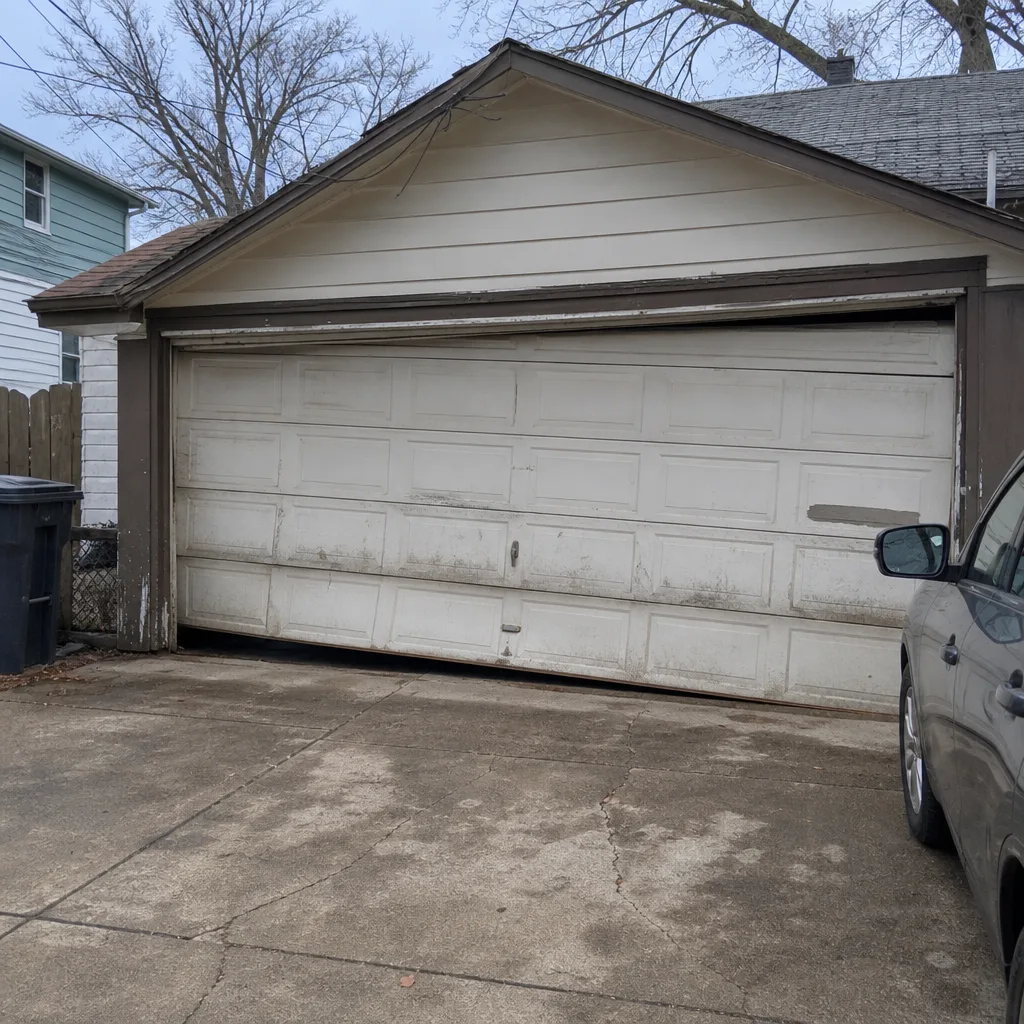 Before
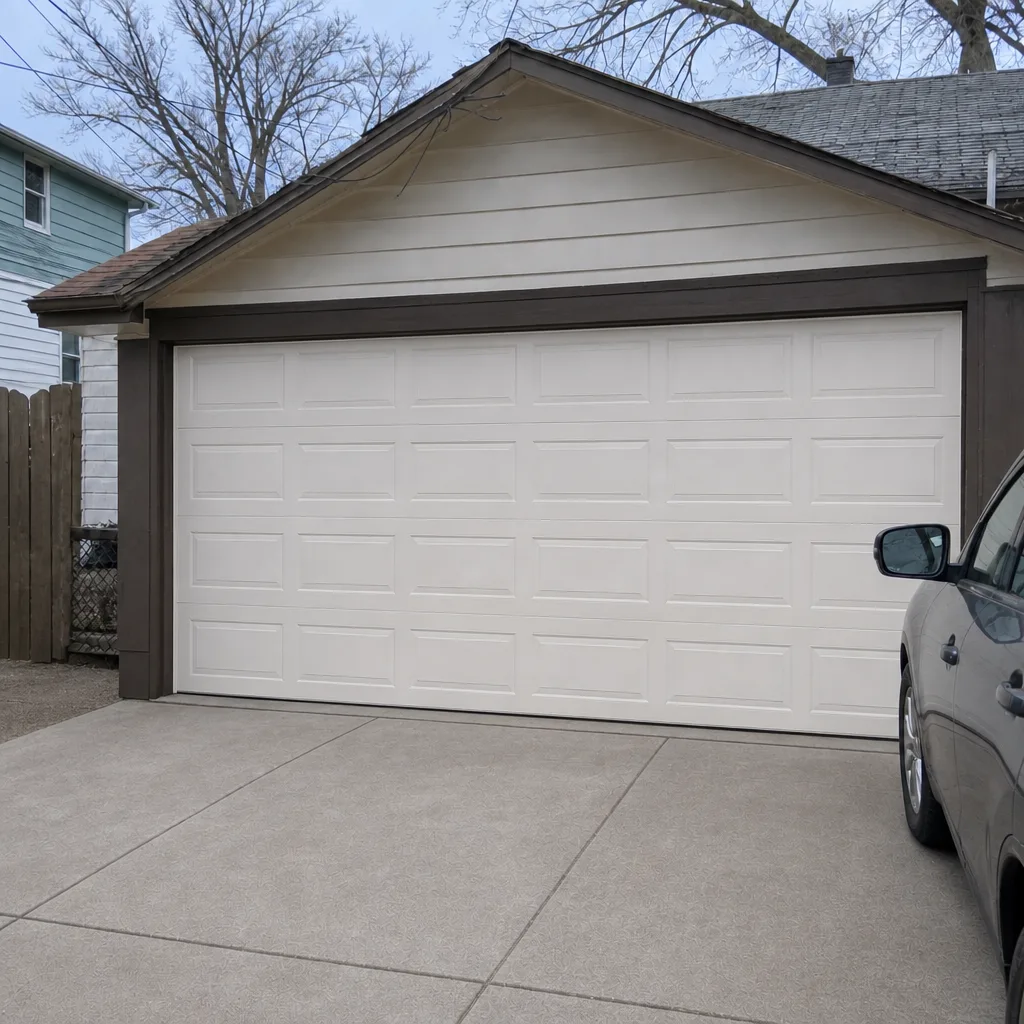 After
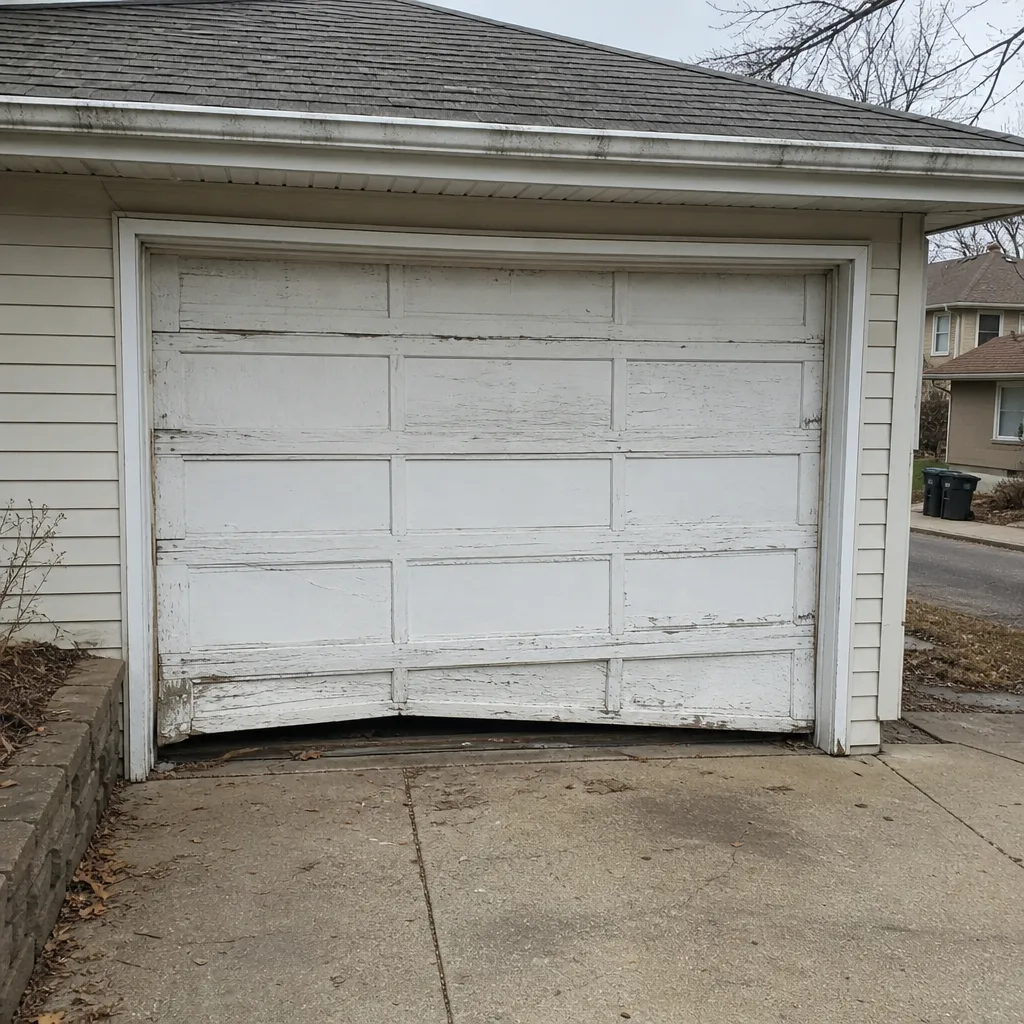 Before
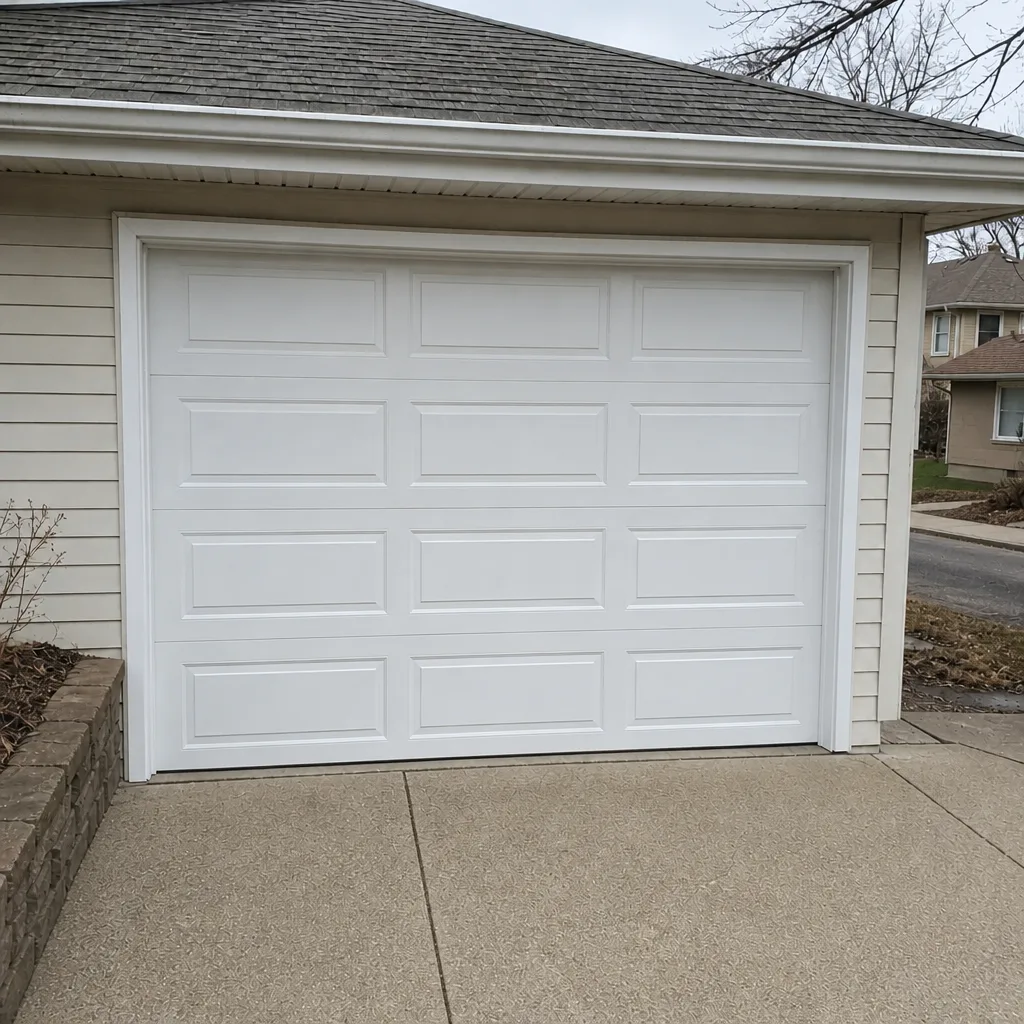 After
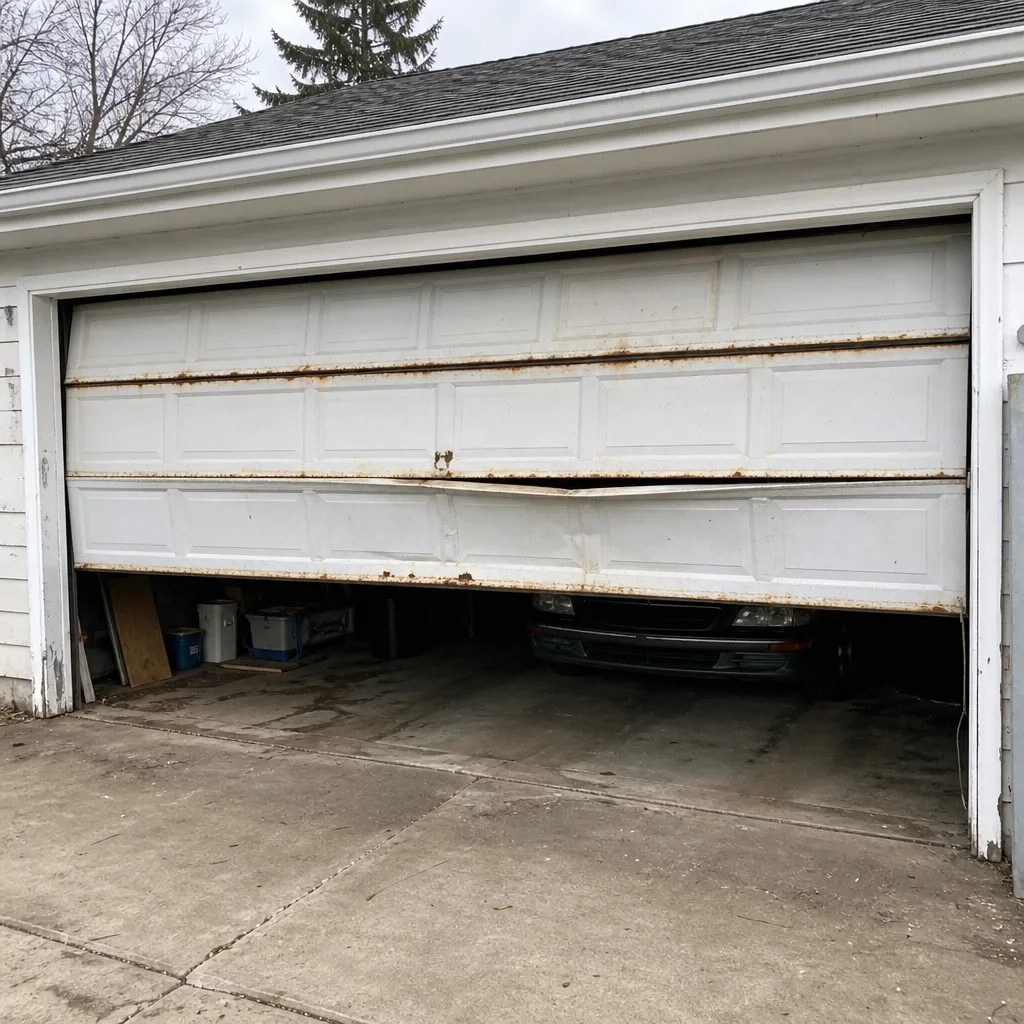 Before
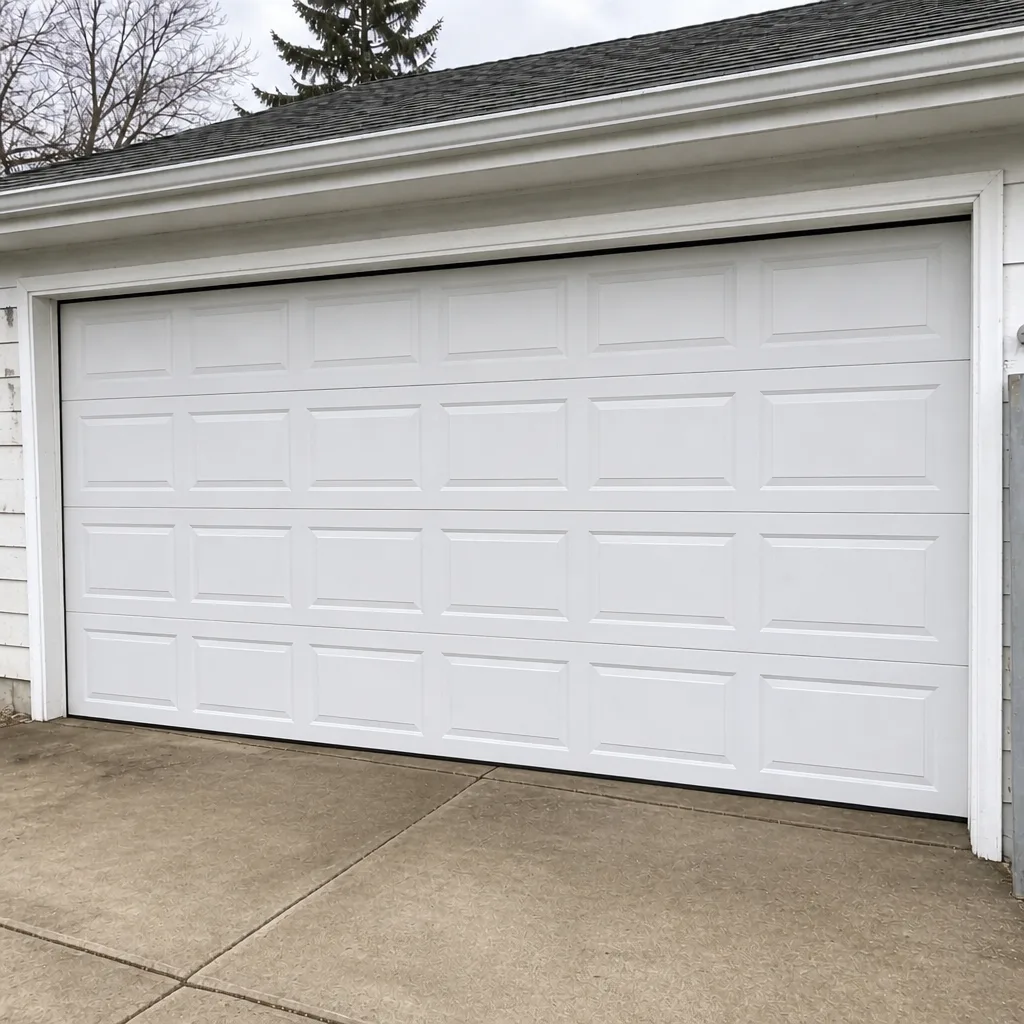 After
When to Call a Professional
Call a professional for anything you can’t safely diagnose with the door closed and the power off. That includes: a broken spring (you’ll often see two separated pieces or a single gap), a door that slams down or won’t hold its position when lifted by hand, a frayed or slack cable, an opener that runs but the door doesn’t move, a door that reverses without reason, a track that’s visibly bent or out of plumb, or any door where the bottom seal has failed and the garage floor floods. Those are all signals that a trained technician needs to look. For anything else – routine lubrication, seal replacement, a noise you’d like to understand – a professional is still the fastest way to get a straight answer. Garage Door Repair Como offers free estimates in Como – call (855) 514-8247. We answer 24/7. Fast dispatch from 7am to 7pm, Sunday through Friday. Some repairs can be handled same-day, and emergency service is a core part of what we do.
Frequently Asked Questions
Spring repair pricing depends on whether one spring or a matched pair is replaced, and a pair usually costs about twice one spring because the two are meant to be replaced together. We quote each job per estimate after seeing the door and confirming the data plate. Call (855) 514-8247 for an exact quote – estimates are free.
In many cases, yes. Spring failures, binding doors and stuck doors are common reasons to call, and same-day service is part of what we offer. Call (855) 514-8247. We answer 24/7. Fast dispatch from 7am to 7pm, Sunday through Friday. A call outside dispatch hours is booked into the next opening, Sunday through Friday, 7am to 7pm. A new-door installation is a different matter: that work is measured, ordered and scheduled, so we’ll give you a free measure and a written price.
No, that’s not how we work. The written estimate sets the final price before any work starts. If the estimate changes, it’s because you approve an additional repair we didn’t know about, and that conversation happens first. Call (855) 514-8247 for a free quote.
The local professionals we connect you with are state-licensed and insured as their state requires. Our technicians have up to 11 years of experience, and they work across eight leading brands including Clopay and Chamberlain. Call (855) 514-8247 for a free estimate on your door.
No. Owning a Chamberlain, Genie, LiftMaster, Craftsman, Raynor, Wayne Dalton, Clopay or Amarr product does not require using that brand’s service network. Any qualified multi-brand technician can maintain and repair it. Tell us the brand and model, and we’ll match the right knowledge. Call (855) 514-8247 for an exact quote on your repair.
Repair when the failure is in a part – springs, cables, rollers, hinges or opener electronics – and replace when the panels are compromised or the door is far past its rated cycle life. If the garage shares a wall with living space and the door is single-layer, an upgrade to triple-layer usually pays back over several winters. Call (855) 514-8247 and we’ll look at the data plate and give you an honest recommendation, free of charge.
The Bottom Line
A Como garage door is a thermal boundary, a security layer and a mechanical system, all at once. Read your data plate, keep a fall check ahead of the freeze, and treat springs and cables as the professional work they are. Repair the parts, replace the door when the panels or cycle life say so, and keep the installer and the repairer under the same roof so warranty and responsibility stay in one place. Owning a branded door doesn’t lock you in; the right technician works on all of them. Everything on this page starts with a straightforward conversation about your specific door.
If it’s time to get a real answer about your door, call (855) 514-8247 for a free estimate. We answer 24/7. Fast dispatch from 7am to 7pm, Sunday through Friday. Whether it’s a spring repair today or a full replacement next season, we’ll give you a written price before anyone picks up a tool.
Written by the team at Garage Door Repair Como.