
Last updated November 22, 2026
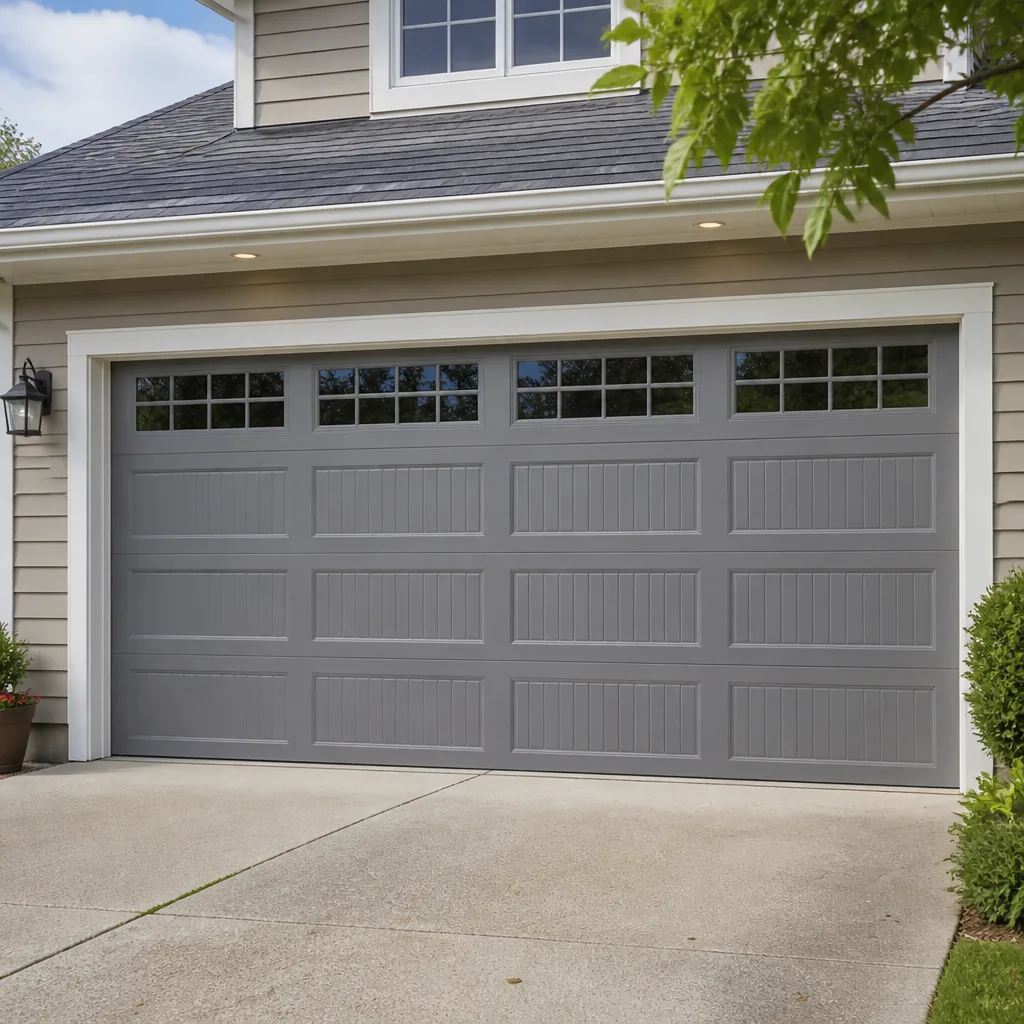 Raised-panel steel
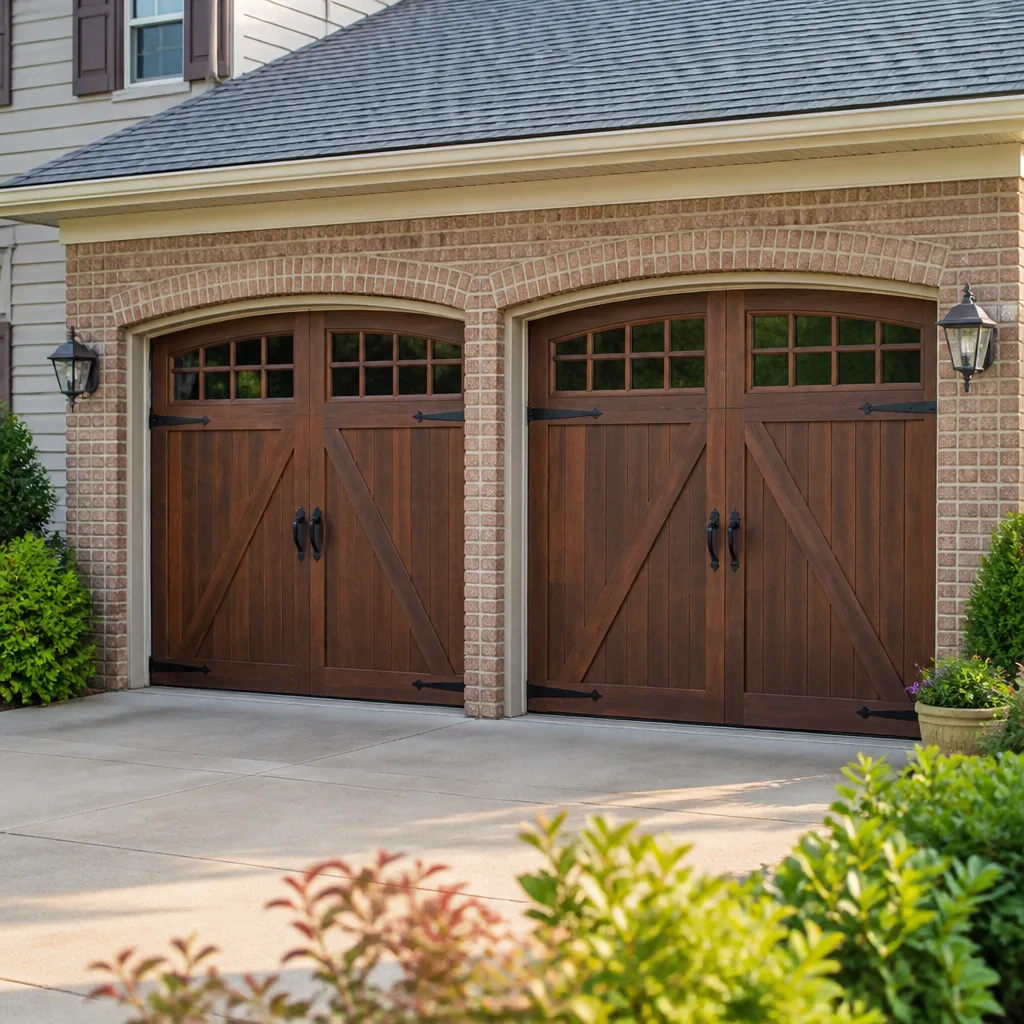 Carriage house
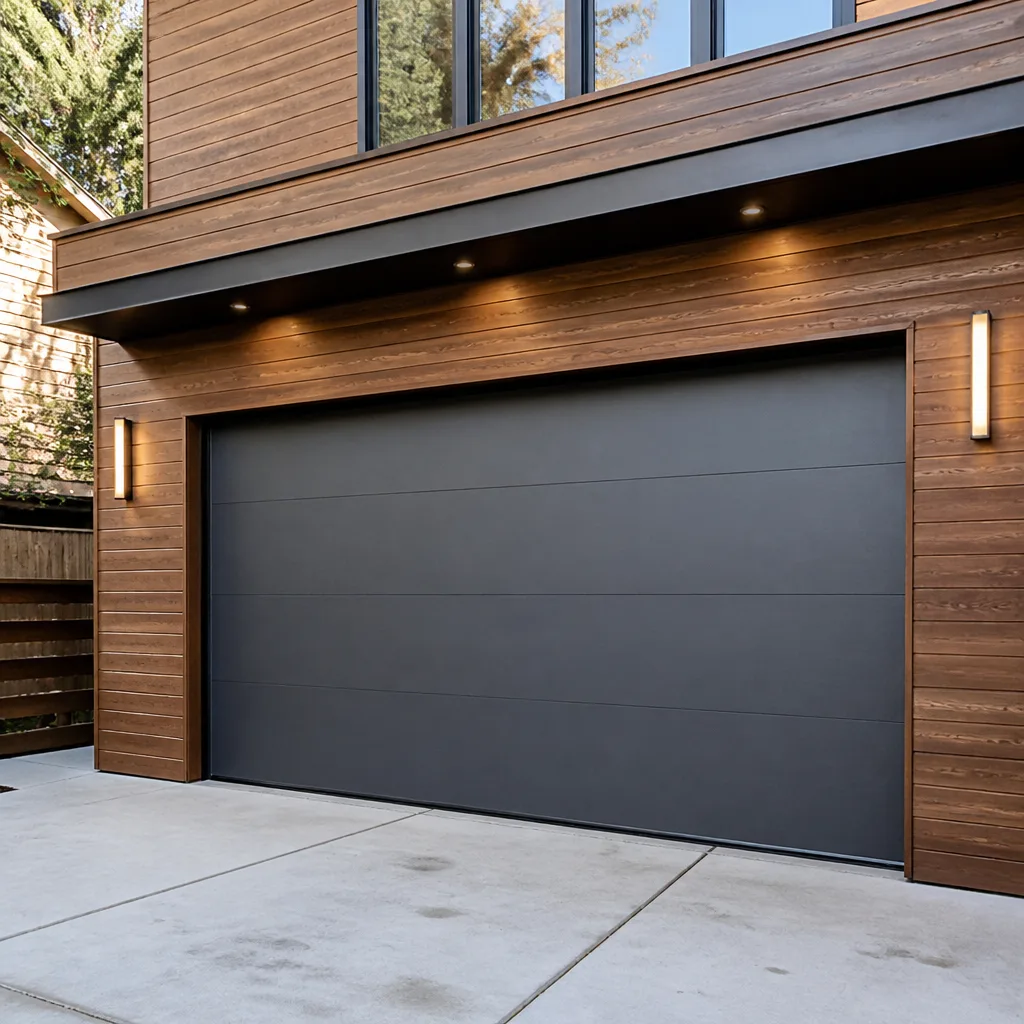 Modern flush
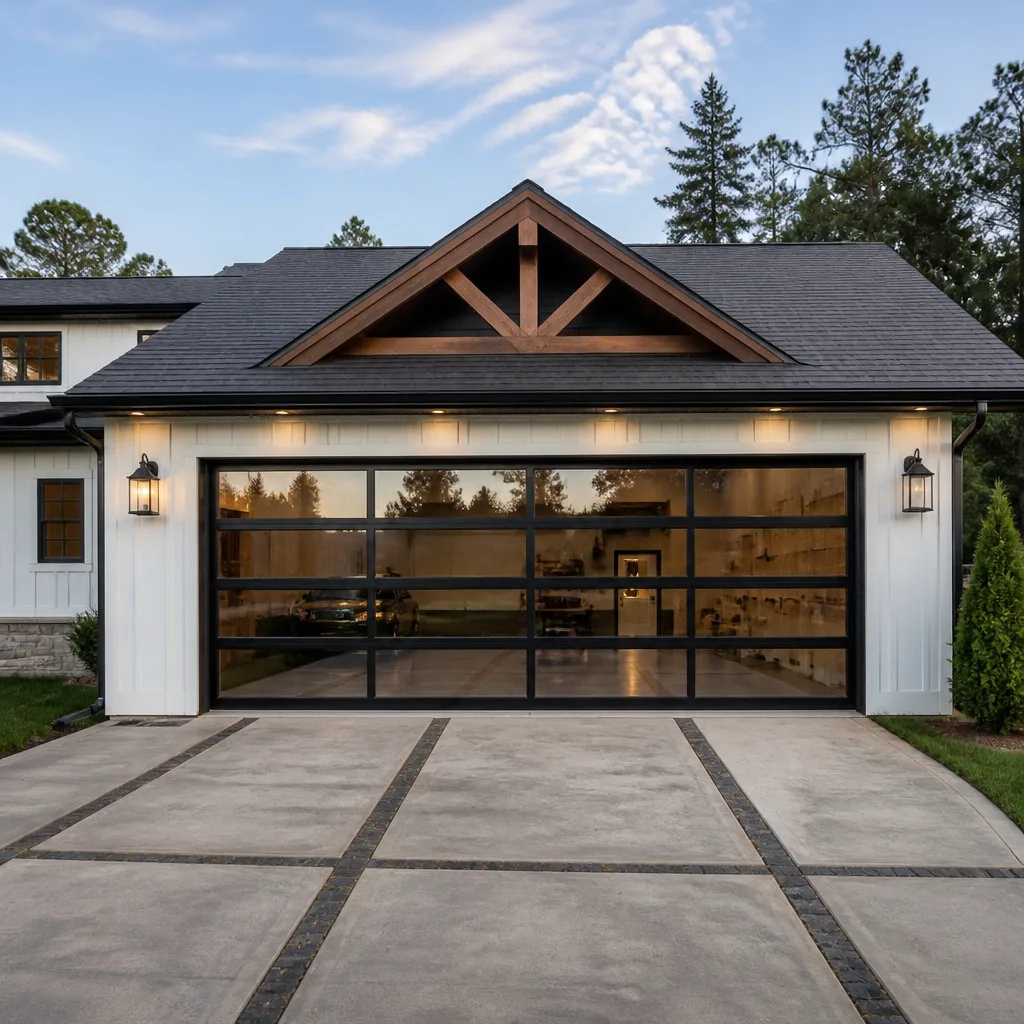 Full-view glass
 LiftMaster openers
 Chamberlain openers
Full 25-point door and opener safety check with every visit - springs, cables, rollers, tracks, and your LiftMaster or Chamberlain opener included
You get a price before we start. It does not change when the pro arrives.
Get your free estimateGarage Door Repair Troubleshooting in Como: Common Problems and How to Fix Them
A door that reverses before it touches the floor and a door that won’t move at all look like opposite problems. In our experience, they’re often the same family of issue: sensor alignment or a limit switch that’s drifted out of position. Homeowners in Como tend to reach for a video tutorial before they reach for the phone, and that’s exactly where a five-minute diagnosis turns into an afternoon of guessing. This guide maps the symptoms you’re seeing to the mechanical cause behind them, so you know whether you’re holding a screwdriver or calling a technician. You’ll learn the six failure categories, the two tests you can safely run yourself, and when to stop.
Quick Answer
Garage door problems fall into six mechanical categories: springs, cables, tracks, rollers, opener logic, and safety sensors. You can safely check sensors, run a manual disconnect test, and perform a balance test yourself. Anything involving springs, cables under tension, or track realignment after impact needs a trained technician, because those components store serious force and can cause injury if handled wrong. A door that works intermittently is usually a more urgent warning sign than one that’s fully stopped.
Styles & brands we work with
- Raised-panel steel
- Carriage house
- Modern flush
- Full-view glass
- LiftMaster openers
- Chamberlain openers
Table of Contents
- The Six Failure Categories: A Symptom-to-Cause Matrix
- How Como’s Freeze-Thaw Cycle Warps Tracks and Ruins Bottom Seals
- The Two Safe Tests You Can Run Before Calling
- The Three Things That Always Need a Professional
- Why a Door That “Works Fine Most of the Time” Is the Louder Warning
- Part Identification: Describe the Problem Accurately and Cut Diagnostic Time
- Matching the Fix to Your Brand: Craftsman, Raynor, LiftMaster, and Chamberlain
- Common Mistakes to Avoid
- When to Call a Professional
The Six Failure Categories: A Symptom-to-Cause Matrix
Every garage door failure sits in one of six buckets. Identifying the bucket first is faster than chasing individual symptoms, because two doors showing different behavior can share a single root cause. Here’s how we sort them.
- Springs. The door feels impossibly heavy when you lift it by hand. You hear a loud bang from the garage. The door opens a foot and stops. You may see a visible gap in the coil. A torsion spring snaps with force and gives almost no visual warning before it goes.
- Cables. The door hangs crooked, one side lower than the other. Cable slack appears on one drum. Fraying or a birdcage-like tangle at the drum is a red flag. Cables run under tension, and a snapped cable can whip with enough force to cause injury.
- Tracks. The door binds, scrapes, or jams at a specific height. You may see a bent section, a gap where the roller sits, or a track that’s pulled away from the wall. Impact damage from a car bumper is a frequent cause, though freeze-thaw movement is another in Como.
- Rollers. The door is noisy, rattles, or shudders as it travels. Worn steel rollers flatten and drag. Nylon rollers crack in cold. A seized roller grinds against the track instead of rolling through it.
- Opener logic. The motor runs but the door doesn’t move, or the door moves in the wrong direction, or the travel limits are off and the door slams or reverses at the wrong height. The wall button may work while the remote doesn’t, which points to a logic or signal issue rather than a mechanical one.
- Sensors. The door reverses immediately on closing, sometimes before it touches anything. The indicator light on one sensor is off or flashing. Debris, cobwebs, or a knocked-out alignment interrupts the beam.
In our experience, the single most misdiagnosed category is sensors. A homeowner sees a door that reverses and assumes the opener is failing, when all it needs is realignment. That single distinction saves an unnecessary call. For the sensor and logic side, garage door opener repair is often the shortest path to a fix.
How Como’s Freeze-Thaw Cycle Warps Tracks and Ruins Bottom Seals
National troubleshooting guides don’t account for what northern climates do to a garage door. In Como, the same freeze-thaw pattern that cracks sidewalks works on your door hardware. Water gets into a track guide, a bottom seal, or a hinge gap and freezes. Ice expands. The metal doesn’t flex the way ice needs it to, so something has to give.
The two failures we see most in this climate are track warping and bottom-seal deterioration. A track can shift out of alignment when the slab beneath the opener’s anchor points heaves and settles with the frost cycle. A bottom seal that should sit flat against the floor curls, hardens, or tears away from its retainer. The result is a gap that lets in snow, cold air, and small pests. A door that closes fine in July may sit unevenly on the floor by February.
What to watch for across the seasons:
- Daylight visible under the closed door along one side but not the other.
- Scraping or popping sounds that appear only in cold weather and vanish in spring.
- A track that looks straight to the eye but binds at one point in travel.
- A bottom seal that’s stiff, cracked, or hanging loose at the edges.
- Snow or water melting into the garage along the door’s base.
We check for freeze-related movement specifically when we’re troubleshooting a door in Como, because the fix is different from a generic alignment job. A track that’s been pushed by frost damage sometimes needs realignment rather than replacement, and a bottom seal often needs re-seating rather than a full overhaul. For thicker weatherstripping and seal work you can plan around, a scheduled garage door repair visit makes sense before the first hard freeze.
The Two Safe Tests You Can Run Before Calling
There are two diagnostic checks any homeowner can and should run before booking a technician. Neither requires tools, and both give you something specific to report when you call.
- Manual disconnect test. Locate the red release handle hanging from the opener’s rail. With the door fully closed, pull the handle down and to the rear. That disconnects the door from the opener so the door can be raised by hand. Now lift the door about halfway and let go. A properly balanced door should hold its position or drift slightly, not crash down or spring upward. If the door won’t stay put, the spring system is likely out of balance or broken. If it won’t lift by hand at all, the same applies. Reconnect the door only when it’s fully closed by pulling the handle back toward the door.
- Balance test. This is the same idea done more carefully. Disconnect the door, raise it to about waist height, and release. Watch whether it holds, sags, or shoots up. A door that sags on one side means the spring tension on that side has dropped. A door that shoots up has too little weight being carried by the springs. Either way, the springs are the culprit.
Both tests are safe because you’re not touching the springs, the cables, or the drums. You’re just letting the door tell you what it already knows. If either test fails, that’s valuable information to mention when you call. If both pass but the door still behaves oddly, the issue is likely in the opener or sensors, and you can move to a different diagnostic track.
One important limit: these tests tell you whether the balance is off. They don’t tell you how to correct it. Adjusting spring tension is not a homeowner task, and we’ll cover why in the next section. Our technicians have up to 11 years of experience on spring systems specifically, and that experience is there for a reason.
The Three Things That Always Need a Professional
Three repairs require a trained technician no matter how handy you are. This isn’t a sales pitch. It’s a safety line, and it’s the reason every experienced garage door tech says the same thing.
- Spring replacement and tension adjustment. Torsion springs are under extreme tension even when the door is at rest. If a spring is wound or unwound without the correct rods and the proper technique, the rods can slip, the spring can release suddenly, and the result can be serious injury. A snapped spring is a job for a professional. Period.
- Cable work. Cables are the second tension system, and they’re equally unforgiving. A cable that snaps under load can whip across the garage. Replacing a cable requires safely releasing the spring tension first, then re-tensioning correctly. There’s no safe shortcut here.
- Track realignment after impact or frost damage. When a track is bent or pulled, the correct fix is to realign it precisely before any rollers are re-seated. A track that’s forced back into place without proper measurement puts uneven stress on the door and shortens the life of every part that runs through it.
If your door is showing any of these, stop and call. We answer 24/7. Fast dispatch from 7am to 7pm, Sunday through Friday. A trained look at the spring and cable system is worth more than a DIY attempt gone wrong.
We work on these systems directly. Spring repair is a dedicated service, and it’s the one that separates a garage door specialist from a general handyman who’ll tell you it’s “above my pay grade.” If your spring has failed, that’s the call to make today. Our garage door repair team handles springs and cables as a routine part of the work.
Why a Door That “Works Fine Most of the Time” Is the Louder Warning
Here’s the counterintuitive part. A door that’s fully stopped is behaving predictably. A door that works most of the time is telling you that a component is on the edge, and the warning signs are the random events, not the steady state.
Doors that fail intermittently usually have one of these problems developing:
- A weakening spring. A spring that’s losing tension will sometimes carry the door and sometimes not. Cold mornings are when it fails, which is why Como homeowners notice intermittent problems more in winter.
- A failing sensor. Alignment can be marginal, and a sunbeam, a passing reflection, or a spider web interrupts the beam just enough to trigger a reverse. It’s a sensor problem that only appears under specific conditions.
- A weakening opener component. A gear, capacitor, or logic board that’s fading can produce the door working today and failing tomorrow.
- A worn roller or a slightly bent track. The door catches at one spot in travel, but only when the door has drifted or the weather has shifted the track just enough.
Why is intermittent worse than stopped? Because a door that won’t move, you do something about. A door that works most of the time, you don’t. The catch is that an intermittent spring or cable failure tends to be the one that snaps completely while the door is in motion, which is the most dangerous scenario for the door, the opener, and anyone standing nearby. In our experience, Como homeowners who call about an intermittent door are often closer to a real failure than they realize. An accurate description of when the door fails will help any technician, and it will cut down diagnostic time. Call (855) 514-8247 when the pattern first appears, not when the door finally stops for good.
Part Identification: Describe the Problem Accurately and Cut Diagnostic Time
When you call, the more precisely you can describe what you’re seeing, the faster a technician can confirm the likely cause. Here’s the vocabulary. Knowing these terms is the difference between “it’s broken” and “the bottom bracket is loose on the left side,” and that difference saves diagnostic time on the visit.
- Torsion spring. The horizontal spring mounted on a shaft above the door in the middle of the garage. This is the one that usually snaps and produces the loud bang.
- Extension springs. Vertical springs that run along each side of the door on older or lighter systems. They stretch rather than twist, and they carry a safety cable through the middle.
- Drum. The round spool at each end of the torsion shaft where the cable winds. A cable off the drum is a clear sign of failure.
- Bottom bracket. The metal fitting at the bottom corner of the door where the cable attaches. It’s under tension and shouldn’t be loosened by hand.
- Hinges and rollers. Hinges connect door panels. Rollers are the wheels that ride in the track. Rollers are the part you can actually inspect closely; hinges bend and wear at the point where the roller stem seats.
- Travel limits. The opener setting that tells the motor how far to open and close. If the door stops too soon or reverses at the wrong height, limits are likely the issue.
- Safety sensors. The two small units near the floor on each side of the door, aligned to face each other. One sends a beam, the other receives it, and a broken beam tells the opener to reverse.
- Photo-eye mounting bracket. The small bracket holding each sensor. If one is knocked, tilted, or loose, the beam alignment goes out.
If you’re not sure which of these you’re looking at, describe the location instead. “The round thing on the ceiling above the door” is enough to get the conversation moving. If you can send a photo when you call, even better. Our team works on both Garage Door Repair Como calls and scheduled service, and the diagnostic conversation is where accuracy pays off.
Matching the Fix to Your Brand: Craftsman, Raynor, LiftMaster, and Chamberlain
Brand-specific knowledge matters more than most homeowners expect. The parts, the diagnostics, and even the failure patterns tend to be brand-specific, and a technician who works on your brand regularly will diagnose faster than one who’s reading the manual for the first time.
On the opener side, LiftMaster and Chamberlain share much of the same engineering lineage, so logic boards, travel limits, and remote programming behave similarly. A Craftsman opener often shares diagnostic codes with its era’s corresponding LiftMaster model, but the remotes and safety sensors can differ enough that a universal replacement isn’t always the answer. Raynor doors tend to have their own hinge and track tolerances, and spring setups can vary by model year. That’s why we work on all four of those brands regularly, along with Genie, Clopay, Amarr, and Wayne Dalton.
Here’s what brand familiarity buys you on a troubleshooting visit:
- Faster identification of common failure points for your specific model.
- Correct parts on the first try instead of a return trip.
- Remote and keypad programming that actually sticks.
- Diagnostic codes read correctly instead of guessed at.
If your existing system is a Craftsman or a Raynor, the last thing you want is a recommendation to replace it just because the technician isn’t familiar. We don’t recommend replacement unless the door or opener is genuinely beyond repair. If a component is worth fixing, we say so. When door replacement is the right call, that conversation is a separate one, and you can read about it on our garage door installation page.
Common Mistakes to Avoid
- Pulling the red release handle while the door is open. If you disconnect the opener with the door raised, the door can come down uncontrolled. Disconnect only when the door is fully closed. This is the number-one mistake we see on troubleshooting calls.
- Adjusting spring tension without the right rods. A screwdriver is not a winding rod. If the rod slips, the spring can unwind with enough force to break a wrist. Skip this entirely.
- Forcing a door past a bind. When the door catches, don’t push it. A bind that you force can bend the track, crack a panel, or strip an opener gear. Forcing it makes the repair larger, not smaller.
- Assuming a reversing door means a bad opener. Most reversing doors are a sensor alignment issue. Check the sensor lights before you call, and you may save the visit.
- Ignoring an intermittent door. A door that fails occasionally has a component on the edge of failure. Waiting for a full stop usually means waiting for a snap.
- Treating a Como freeze-thaw symptom as a permanent defect. A door that scrapes only in February needs a seasonal check, not a full replacement. Get it looked at before the next cold season, not after.
- Replacing a door when only the opener needs repair. If your LiftMaster or Chamberlain opener is on its last legs, the door itself may still have many good years. Get an honest diagnosis before committing to a new door.
When to Call a Professional
Call us when any of these are true: you see a snapped spring, a frayed cable, or a track pulled away from the wall. The door reverses on closing and the sensor lights aren’t both steady. The door is too heavy to lift by hand. The opener runs but the door doesn’t move. Any part of the spring or cable system fails the balance test. And when the door is intermittent, that’s the call to make before the failure becomes a full stop.
We answer 24/7. Fast dispatch from 7am to 7pm, Sunday through Friday. Garage Door Repair Como offers free estimates in Como, and the price is quoted and agreed before any work starts. Call (855) 514-8247 to schedule a look or to describe what’s happening and get an honest read on whether it can wait.
See the difference
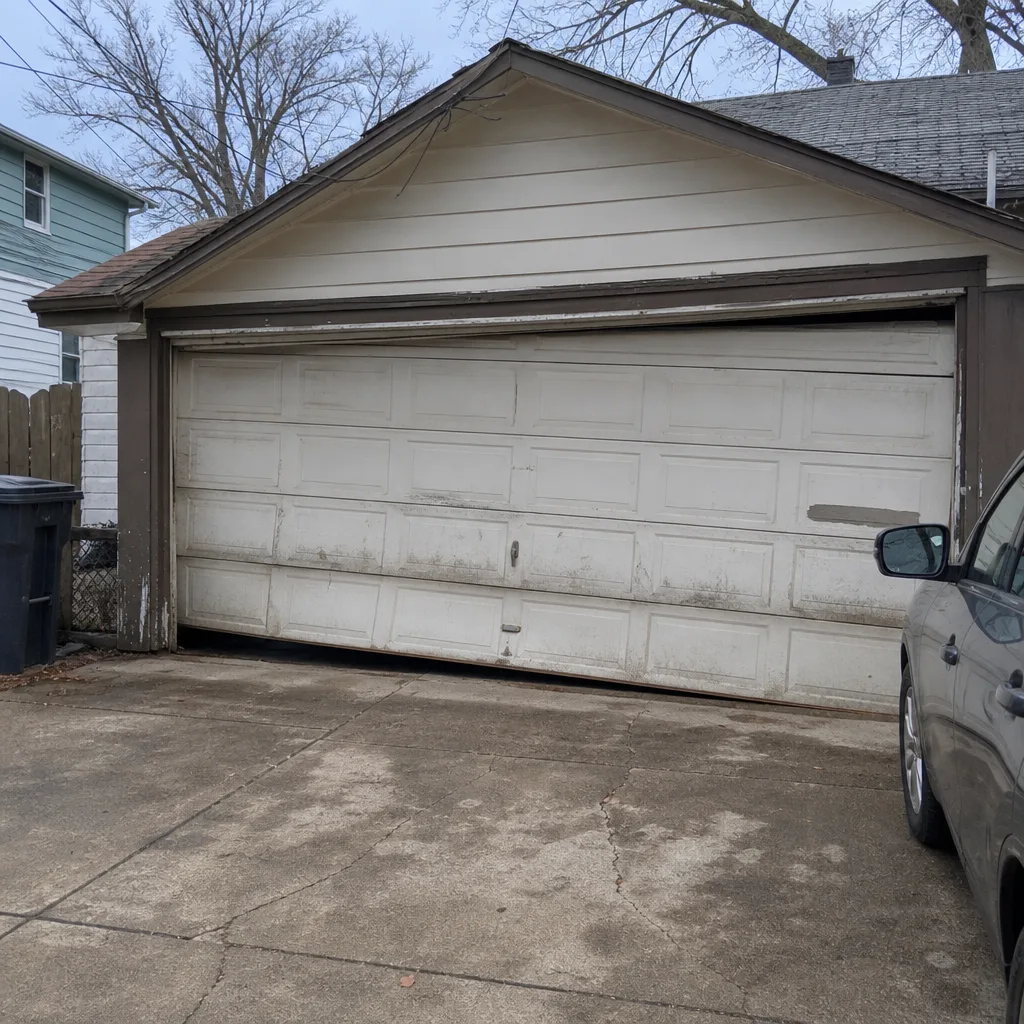 Before
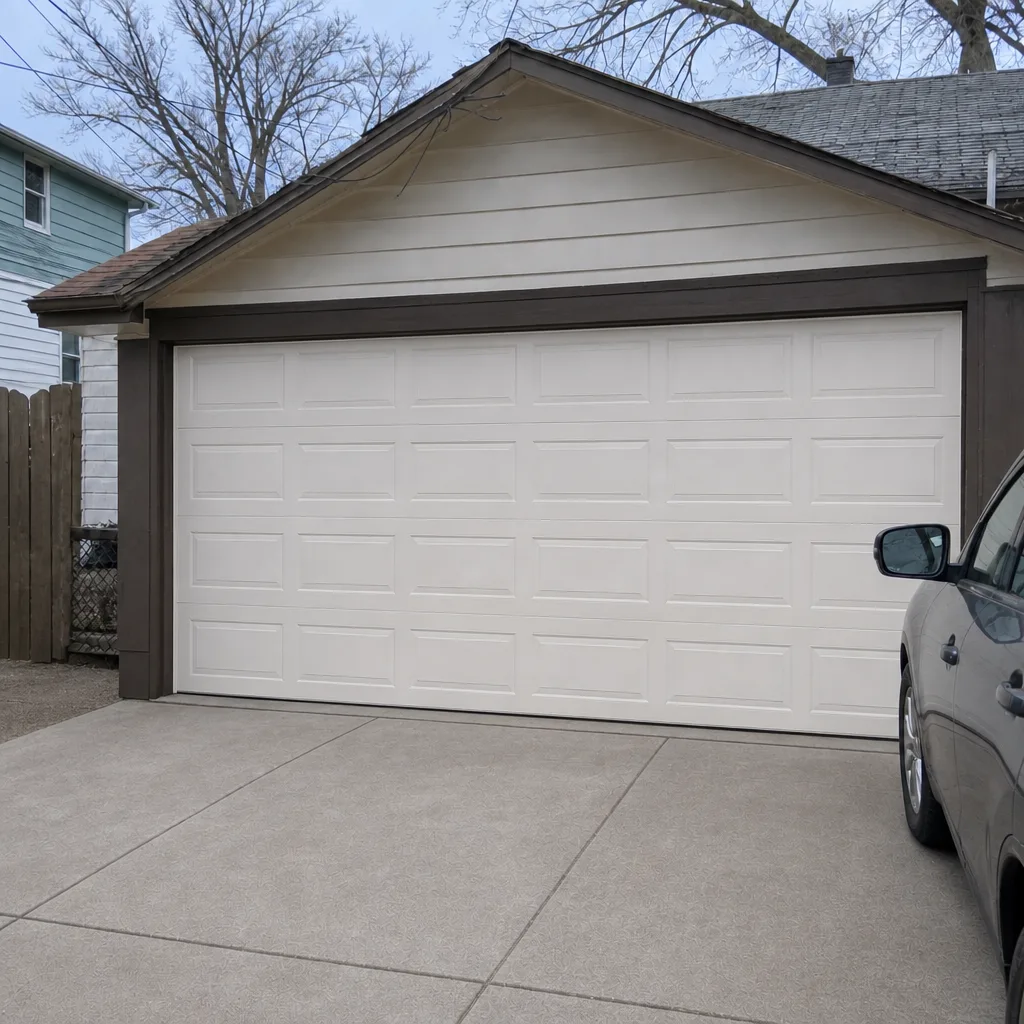 After
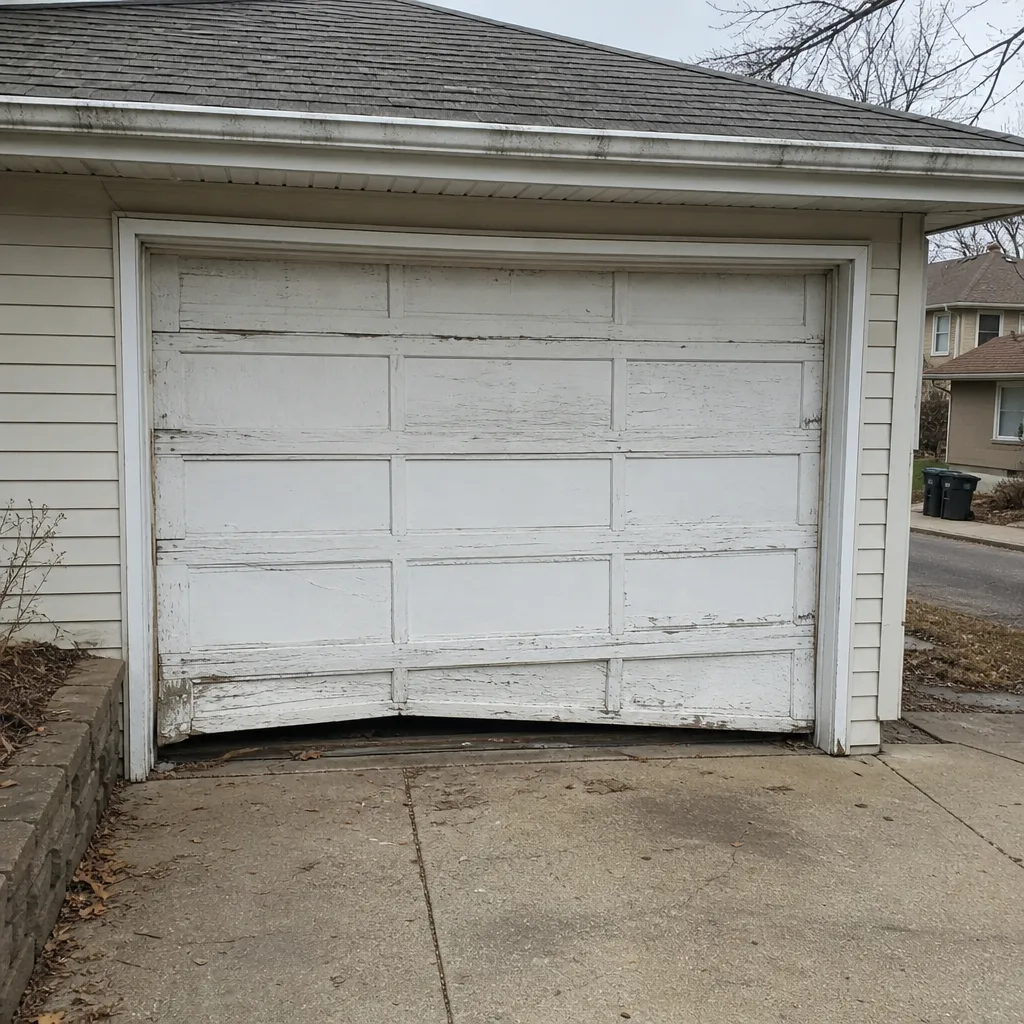 Before
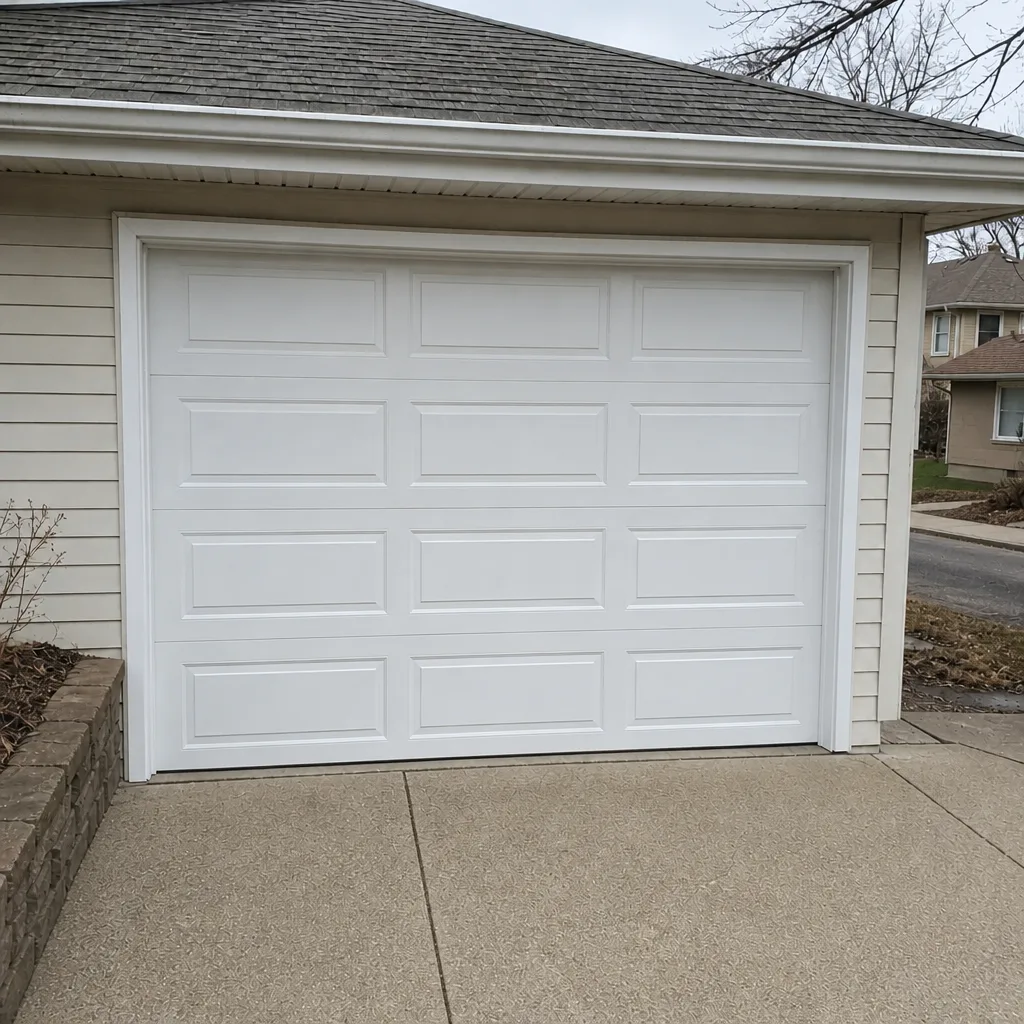 After
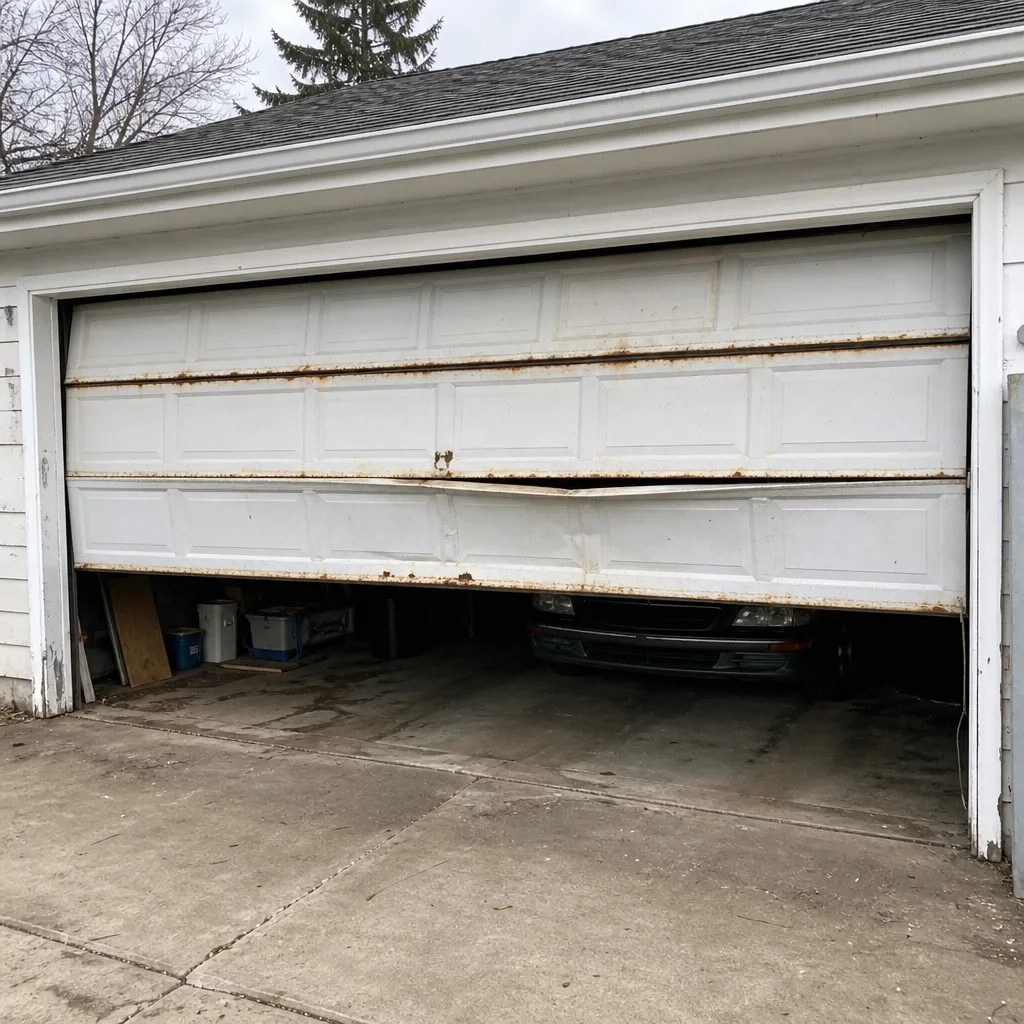 Before
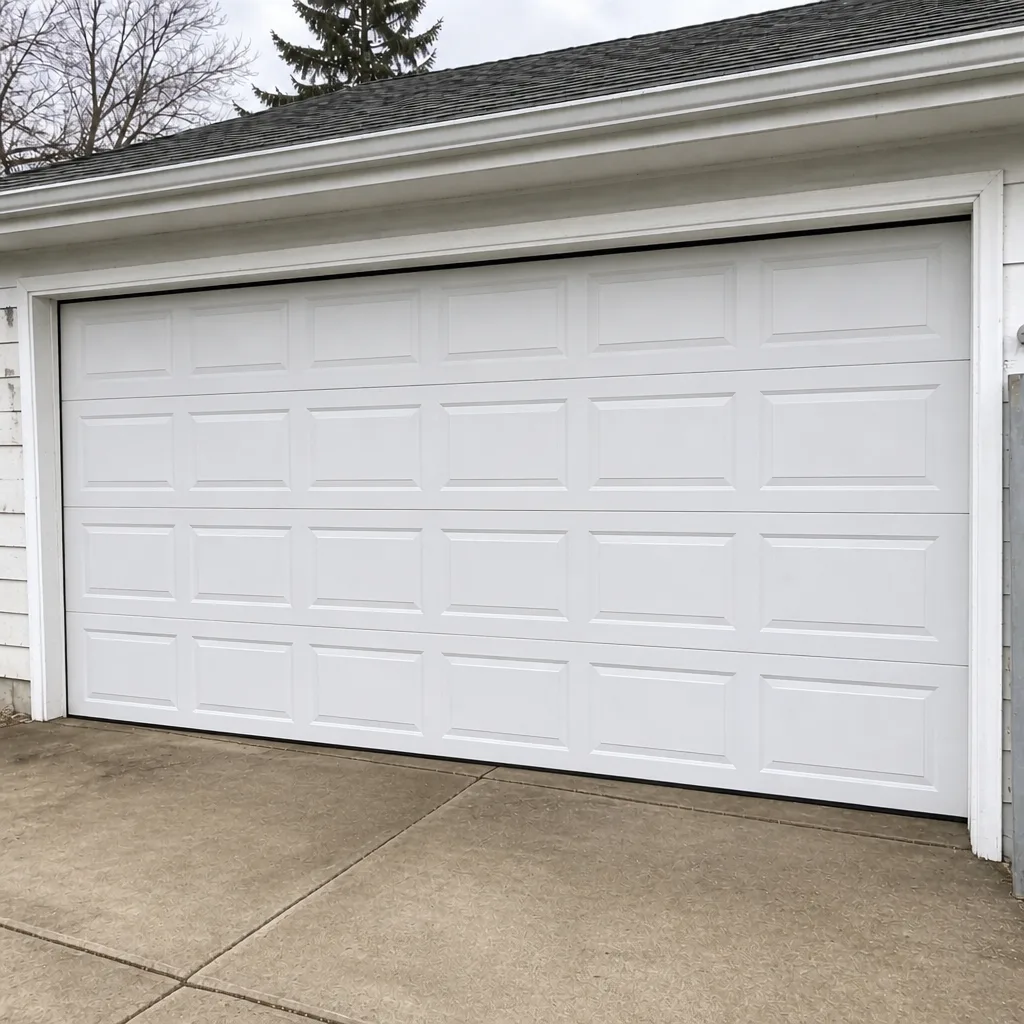 After
Frequently Asked Questions
No. Torsion and extension springs are under extreme tension and require specific winding rods and technique. A spring that releases unexpectedly can cause serious injury. This is a job for a trained technician every time, and our spring repair service exists because general handymen avoid it for exactly this reason.
In most cases it’s the safety sensors. One sensor’s beam is interrupted by debris, cobwebs, a tilt, or a knocked bracket, and the opener reverses as a safety response. Check that both sensor lights are steady and that nothing blocks the path between them. If both lights are steady and the door still reverses, the issue is more likely a travel limit or opener logic problem, and that’s a call to (855) 514-8247.
There’s no flat troubleshooting rate here. The price is set per job by the written estimate after we look at the door, and the estimate is free. You’ll know the number before any work starts. Call (855) 514-8247 for an exact quote.
Yes, and it’s often more urgent than a door that’s fully stopped. An intermittent door usually has a component on the edge of failure, which means the failure is coming. Intermittent spring and cable failures tend to happen while the door is in motion, which is the more dangerous scenario.
We work on eight major brands including LiftMaster, Chamberlain, Genie, Clopay, Amarr, Wayne Dalton, Craftsman, and Raynor. Brand-specific knowledge means faster diagnosis and correct parts on the first visit. Tell us the make and model when you call, and we’ll match the technician to it.
Often yes, for repair and spring work. We answer 24/7 and dispatch Sunday through Friday from 7am to 7pm. Call (855) 514-8247 and we’ll tell you what’s available for your door. Door replacements and new installations are measured, ordered, and scheduled, so those don’t happen same day.
The Bottom Line
Troubleshooting a garage door is about sorting the symptom into one of six categories before you touch anything. Sensors and opener logic are usually homeowner-checkable. Springs, cables, and track realignment after impact or frost damage are not. The two safe tests, the manual disconnect and the balance test, give you the information you need to make the call accurately. A door that works most of the time is a louder warning than a door that’s already stopped, because the failures ahead are the dangerous ones. In Como, the freeze-thaw cycle adds track and seal problems that national guides don’t mention, and an honest diagnosis is worth more than a guess.
Garage Door Repair Como covers repair, opener repair, spring repair, and installation. Give us a call at (855) 514-8247 and we’ll get your door back on track.
Written by the team at Garage Door Repair Como.