
Last updated November 22, 2026
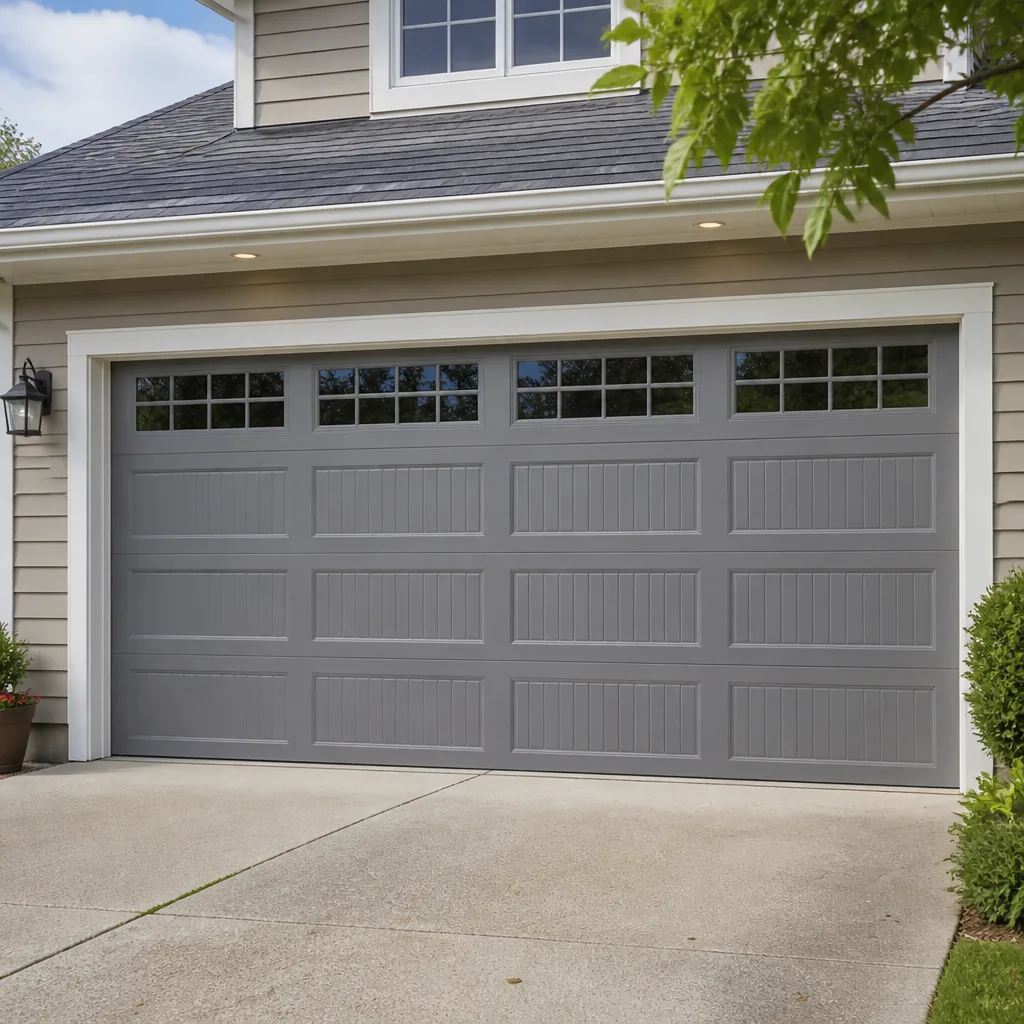 Raised-panel steel
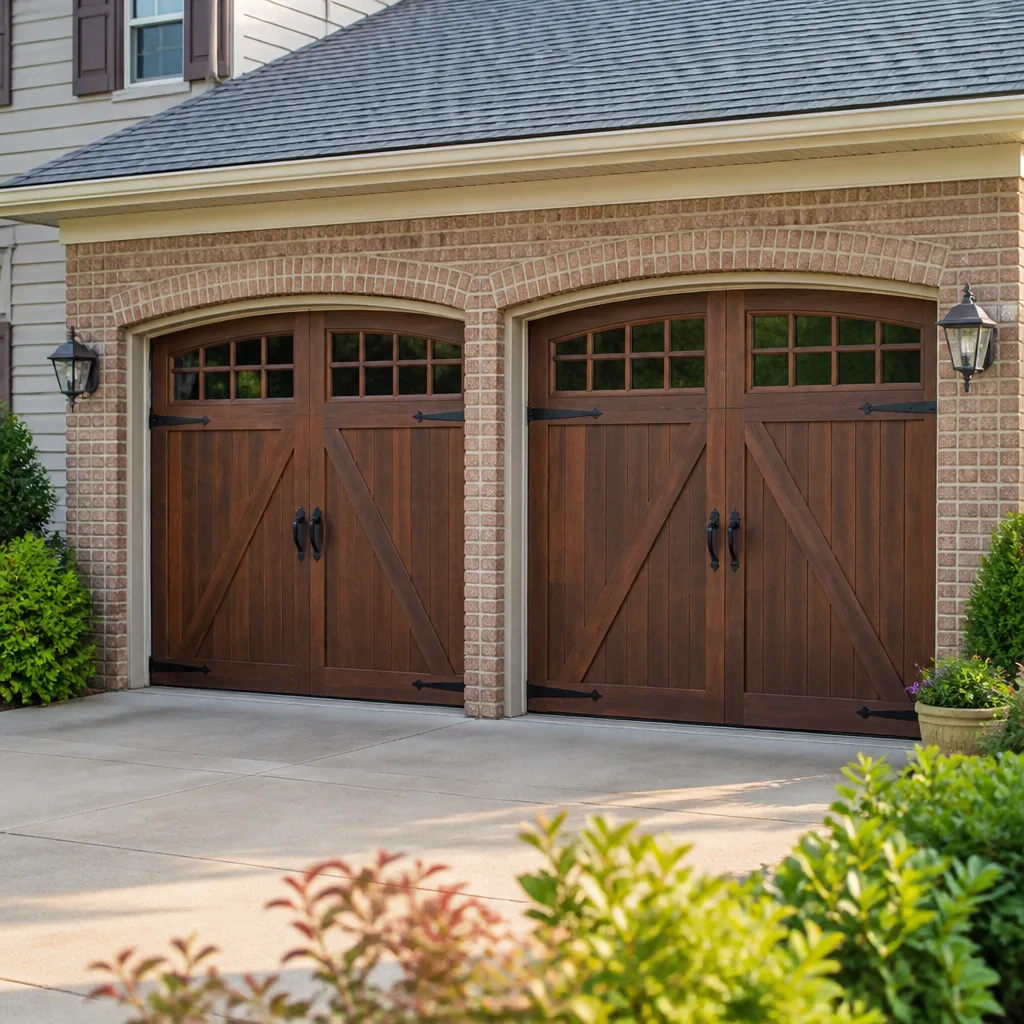 Carriage house
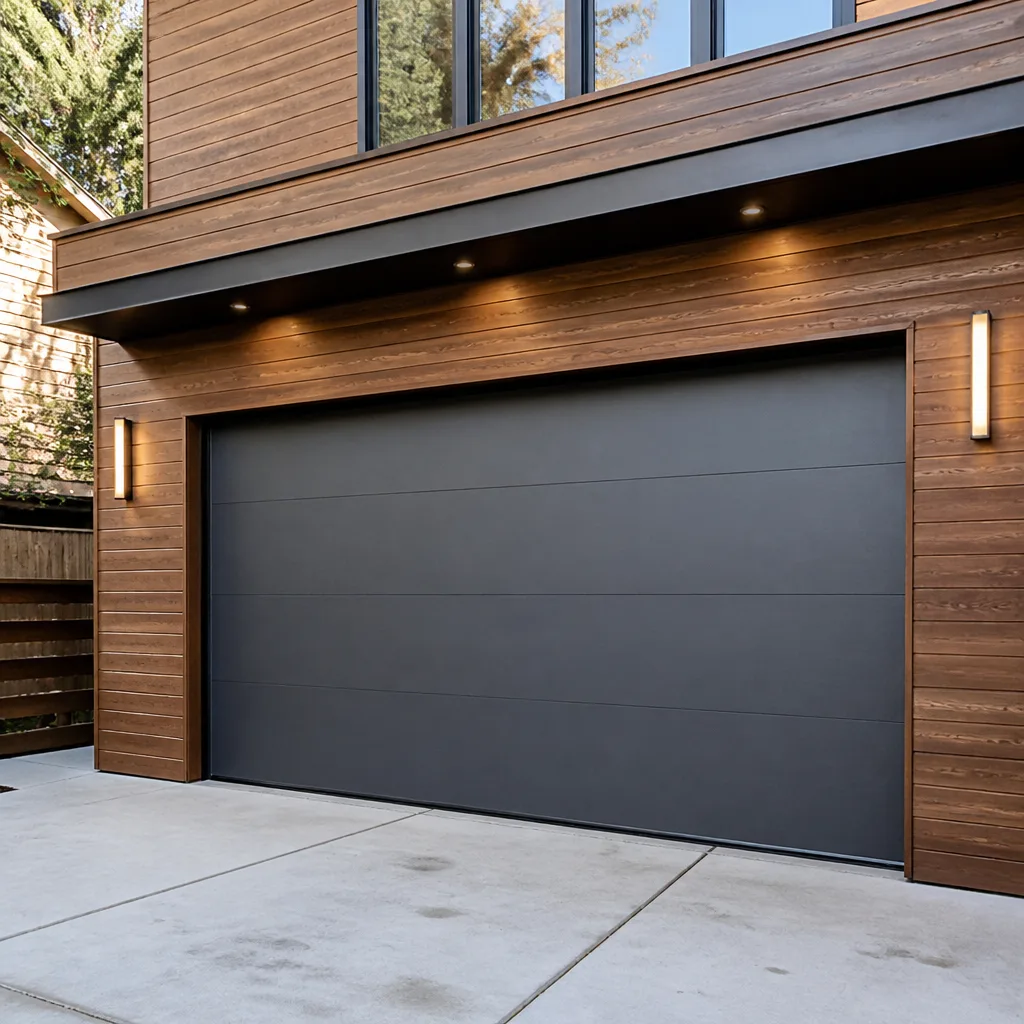 Modern flush
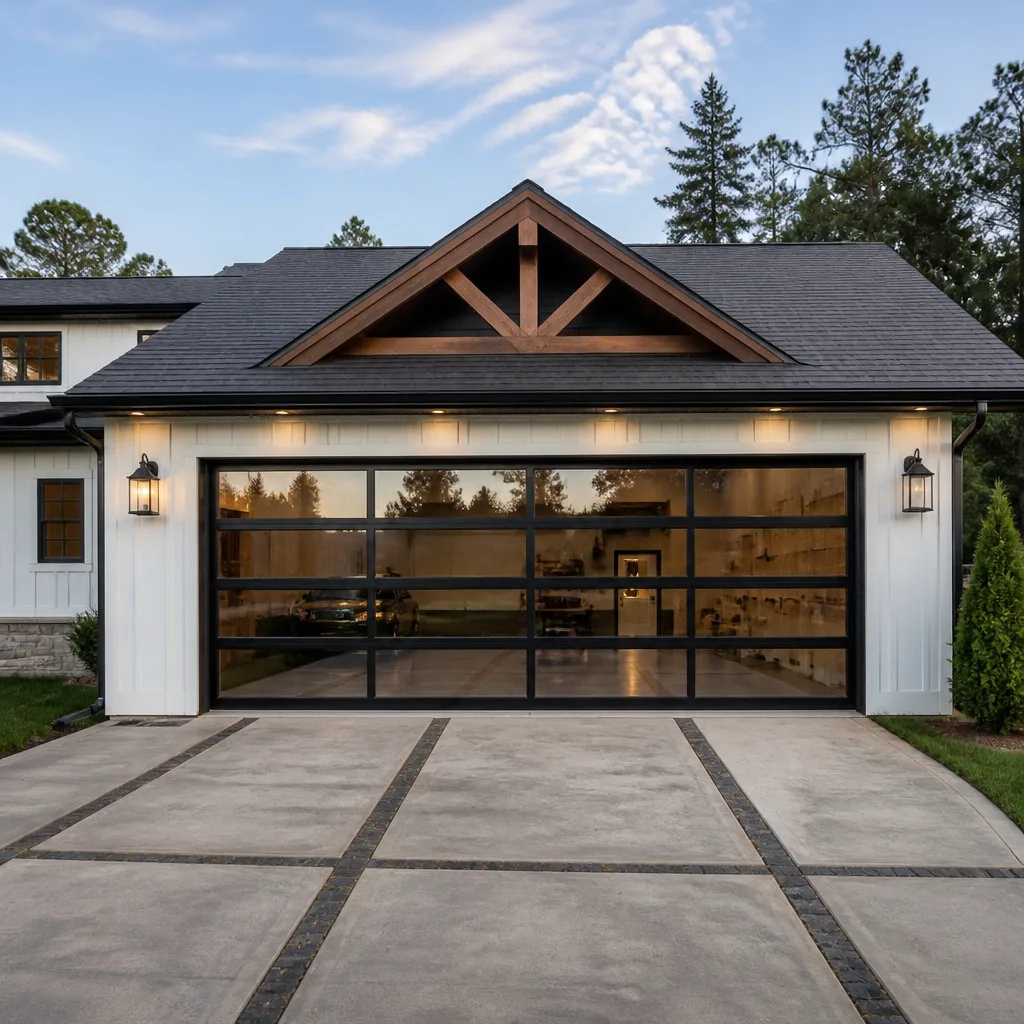 Full-view glass
 LiftMaster openers
 Chamberlain openers
Full 25-point door and opener safety check with every visit - springs, cables, rollers, tracks, and your LiftMaster or Chamberlain opener included
You get a price before we start. It does not change when the pro arrives.
Get your free estimateSeasonal Garage Door Care for Como: Year-Round Homeowner’s Guide
The garage door problem that shows up in January usually started in October. That’s the part most homeowners miss: the grease thickened, the bottom seal dried out, and the limit switch drifted a fraction of an inch – and nobody noticed, because the door still opened. By the time the first hard freeze hits Como, those small changes have stacked up into a door that grinds, reverses, or stops halfway. This guide maps specific seasonal care tasks to the specific stressors each season puts on your door in Como, MN. You’ll learn what to check and when, why temperature swings matter more than most people realize, and the one inspection every seasonal checklist skips.
Quick Answer
Seasonal garage door care in Como means adjusting your door’s moving parts before each temperature shift, not after something breaks: lubricate and recalibrate in fall before the first hard freeze, watch for cold-stiffness and sensor drift in winter, check for freeze-thaw heaving at the floor seal in spring, and reduce spring and motor strain in summer heat. A door that’s tuned to the season lasts longer and fails less often than one that gets the same generic maintenance all year.
Styles & brands we work with
- Raised-panel steel
- Carriage house
- Modern flush
- Full-view glass
- LiftMaster openers
- Chamberlain openers
Table of Contents
- Why Como’s Four Seasons Create Four Different Failure Modes
- Spring Care: Freeze-Thaw Heaving and the Floor Seal Check
- Summer Care: Heat, Spring Fatigue, and Opener Motor Load
- Fall Prep: What to Adjust Before the First Hard Freeze
- Winter Operation: Why a Door That Worked at 40°F Struggles at -10°F
- The Cable Drum Inspection Everyone Skips
- A Simple Monthly Routine for Como Homeowners
- Common Mistakes to Avoid
Why Como’s Four Seasons Create Four Different Failure Modes
In a climate with mild winters, a garage door basically ages at one steady rate. In Como, it doesn’t. Each season loads a different part of the system, and the wear pattern changes with the calendar. Understanding that is the whole point of seasonal care – you’re not doing the same maintenance four times a year, you’re doing four different jobs.
Here’s how the load shifts:
- Fall: Temperature drops contract metal and stiffen lubricant. The door that tracked perfectly in September starts binding in November.
- Winter: The coldest stretch tests spring tension, sensor alignment, and every seal at once. Cold makes steel less forgiving and rubber less flexible.
- Spring: Repeated freeze-thaw cycles heave the ground under the slab and the apron in front of the door. That movement shows up at the floor seal and frame.
- Summer: Heat is harder on metal fatigue and on the opener motor than it is on the door itself. An unventilated garage traps that heat.
Treating every season the same – a squirt of lubricant here, a visual check there – is why components wear out ahead of schedule in Como. The door needs different attention at different times. That’s not a marketing point; it’s how the mechanics work.
The good news is that seasonal care isn’t complicated. Most of it is inspection and small adjustment you can do yourself, plus knowing when a sound or a symptom means a trained technician should look at it. Our technicians have up to 11 years of experience working on eight major brands, and the seasonal problems homeowners describe in Como follow very consistent patterns. When any seasonal check turns up something beyond a quick adjustment, garage door repair is where to start.
Spring Care: Freeze-Thaw Heaving and the Floor Seal Check
Spring in Como is the season of movement underfoot. Every freeze-thaw cycle pushes the ground up a little and lets it settle back, and over a winter that adds up. Concrete aprons and garage slabs shift by small amounts, and the first place you’ll notice it is the bottom seal of your garage door – the rubber strip that’s supposed to sit flat against the floor.
What to look for, without tools:
- Look at the gap. With the door closed, check the line where the seal meets the floor. A thin, even gap all the way across is normal. A gap that opens at one end or in the middle is not.
- Look at daylight. On a bright day, stand inside the closed garage and look for light coming under the door. Any light is a sign the seal isn’t making contact.
- Look at the frame. Check whether the door sits square in the opening. A door that’s tight at the top on one side and loose at the bottom on the same side means the opening or the track has moved.
- Listen for the scrape. If the seal drags or catches as the door comes down, the floor has heaved or the seal has hardened and flattened.
A seal that’s simply worn can be replaced. A seal that’s failing because the slab has moved is a sign the door’s alignment needs a technician’s eye, because forcing the door to close against a heaved floor puts stress on the panels, the tracks, and the opener. Spring is also the right time to clear the tracks of grit left behind by winter, and to check the weatherstripping around the frame. If a door from a brand like Wayne Dalton or Amarr has started sitting crooked, get it looked at before summer – a misaligned door compounds its problems in heat. If you suspect bigger issues, a proper Garage Door Repair Como inspection can sort out what’s seal wear and what’s structural.
Summer Care: Heat, Spring Fatigue, and Opener Motor Load
Summer is the season homeowners underestimate, because the door usually still works. But heat does two things to a garage door that cold doesn’t: it accelerates metal fatigue in the torsion springs, and it raises the operating temperature of the opener motor. Most garages in Como are unventilated boxes that soak up afternoon sun, and the inside temperature can run well above the outside air.
On torsion springs: steel under constant tension is more prone to fatigue when it’s cycling through wide temperature swings. The spring doesn’t fail from heat alone, but heat shortens its working life, and a door in an unventilated garage reaches the end of its spring’s useful life sooner than one in a shaded, cooler structure. This is one reason we treat spring repair as a dedicated service – it’s the part of the system that fails most often and gets botched most often by generalist handymen.
On the opener motor: a LiftMaster or Chamberlain opener running in a hot garage works harder on every cycle. The motor’s thermal protection may kick in and stall it mid-operation, which looks like a failure but is really overheating. Give the opener room to breathe:
- Clear clutter away from the opener housing so air can move around it.
- Check that the opener’s vents aren’t blocked by insulation or storage.
- If the door reverses or stops after several cycles on a hot afternoon, let it cool and have the motor checked rather than resetting it repeatedly.
Summer is also a good time to listen for a change in the door’s sound. A door that groans more in August than it did in May is telling you the springs or rollers are under stress. If your opener acts up in the heat, garage door opener repair covers the electronics side.
Fall Prep: What to Adjust Before the First Hard Freeze
This is the most important seasonal window of the year in Como, and it’s the one people miss because the door still works fine in October. The adjustments you make in fall determine whether the door coasts through winter or starts failing in January. The single biggest reason fall prep matters is contraction: metal shrinks in cold, and a door that’s perfectly adjusted at 60°F can bind or drift by the time it hits 20°F.
What fall prep involves:
- Lubricate with a cold-rated product. Standard grease thickens in cold. Use a garage-door-specific lubricant designed for low temperatures, and apply it to the hinges, rollers, and torsion spring coils.
- Recalibrate the limit switches. Limit switches tell the opener where the door should stop opening and closing. Cold-air contraction changes the door’s travel by small amounts, so a limit that was right in September can leave a gap or cause the door to slam. Recheck the open and close limits before the first freeze.
- Test the safety reverse. Put a piece of wood flat on the floor in the door’s path and close the door. It should reverse on contact. If it doesn’t, that’s a safety issue, not a comfort issue.
- Check the bottom seal. Cold hardens rubber. A seal that’s already dry or cracked will fail completely in winter. Replace it in fall, not after the first snow.
- Inspect the tracks. Tighten loose track brackets and clear debris. A track that’s slightly loose in fall will rattle badly in winter.
A Craftsman or Raynor opener with an older belt or chain can also stiffen noticeably in cold – check that the drive runs smoothly before the temperatures drop. Getting these five items done while it’s still mild is far easier than dealing with them when it’s 15°F and the door won’t close.
Winter Operation: Why a Door That Worked at 40°F Struggles at -10°F
Here’s the physics in plain terms: cold does three things at once. It contracts metal, which changes the fit of tracks and the travel of the door. It stiffens lubricant, which adds friction to every moving part. And it reduces the flexibility of rubber and plastic, so seals, rollers, and safety sensors become brittle and less forgiving. A door that opened cleanly at 40°F can bind, reverse, or stop at -10°F without anything being “broken” in the usual sense.
When a Como door struggles on a cold morning, it’s usually telling you one of three things:
- The spring tension has drifted. Cold contracts the spring coils and changes the balance. A door that feels heavy or won’t stay open halfway is giving you a tension signal.
- The safety sensors are misaligned. Cold can shift the brackets that hold the photo-eye sensors, and a sensor that’s off by a hair in fall may lose its line entirely in winter. Clean the lenses and check that the indicator lights on both sensors are steady, not blinking.
- The lubricant has stiffened. If the door moves but sounds like it’s dragging, the grease has thickened past what the opener can comfortably push through.
One winter caution that matters: never try to force a frozen door or adjust a torsion spring yourself in cold. Springs are under extreme tension, and the cold makes the metal brittle and unpredictable. That’s a job for a trained technician with the right tools. If a door fails on a cold night, we answer 24/7 and a call outside dispatch hours is booked into the next opening, Sunday through Friday, 7am to 7pm. Emergency service is a core part of what we do, not an afterthought.
The Cable Drum Inspection Everyone Skips
If you take one thing from this guide, take this. Every seasonal checklist – ours included, most of the time – covers springs, seals, tracks, and sensors. Almost none of them mention the cable drums, and that’s the inspection that catches problems before they become failures. In our experience across Como, cable drum issues show up repeatedly on doors that “seemed fine” right up until they weren’t.
The cable drums are the grooved spools at the top corners of the door where the lift cables wind. They’re not glamorous, and they’re not something you should touch or adjust yourself – the cables are under heavy tension. But you can look at them safely:
- With the door closed, look up at the top corners where the cable meets the drum.
- Check that the cable is winding evenly in the grooves, not crossing over itself or bunching to one side.
- Look for fraying, kinks, or rust on the visible portion of the cable.
- Note any slack – a cable that’s gone loose is a warning sign the drum or the spring has shifted.
What you’re looking for is even winding and intact cable. What you should never do is reach up and try to re-seat a cable or turn a drum. If you see anything off – uneven winding, fraying, slack – stop using the door and have it checked. A cable that jumps its drum can drop the door suddenly, and that’s a genuine hazard. This is exactly the kind of thing our technicians check on every visit, and it’s why we service the mechanical side as carefully as the electronics.
A Simple Monthly Routine for Como Homeowners
You don’t need a big annual project. A ten-minute check once a month, plus a little extra attention at each season change, keeps a Como door in good shape. Here’s the routine that works:
- Listen. Open and close the door and pay attention to the sound. Any new grind, squeal, or rattle is worth investigating.
- Watch the balance. Disconnect the opener (pull the release handle) and lift the door halfway by hand. It should stay put. If it drops or rises on its own, the springs need attention.
- Test the reverse. Put a piece of wood in the path and close the door. It should reverse on contact.
- Check the sensors. Confirm both photo-eye indicator lights are steady, and wipe the lenses.
- Look at the seal and the gap. Any daylight under a closed door is a seal or alignment issue.
- Lubricate lightly. A small amount of door-specific lubricant on hinges and rollers, more often in fall and spring.
Once a year, at the season change, add the deeper checks: limit switch recalibration in fall, cable drum inspection any time, and a professional look if anything sounds or feels different from the month before. That’s it. The routine is simple; the discipline is doing it before the season turns, not after.
If the monthly check turns up a problem you can’t handle with a lubricant and a wrench, that’s when to call. If the door is fully off its tracks or a spring has visibly broken, don’t wait: emergency garage door service exists for exactly that situation.
Common Mistakes to Avoid
- Using the same lubricant year-round. A grease that works fine in July can thicken and bind in a Como January. Use a cold-rated door lubricant, and apply it before the freeze, not after.
- Skipping fall limit switch recalibration. The door’s travel changes with cold contraction. Recalibrate in fall so the door doesn’t gap or slam when temperatures drop.
- Ignoring a small gap under the door. That thin line of daylight is a seal or slab issue. Left alone, it becomes a draft, a pest entry point, and a misalignment that stresses the whole door.
- Forcing a stiff door in winter. A door that won’t close cleanly in the cold needs inspection, not muscle. Forcing it can damage panels, tracks, or the opener.
- Overlooking the cable drums. Most seasonal checklists never mention them. Uneven winding or a frayed cable is a safety signal you shouldn’t ignore.
- Touching the torsion springs or cables yourself. These are the most dangerous parts of the door. Spring tension can cause serious injury. Leave them to a trained technician.
- Treating summer as “no maintenance needed.” Heat is hard on springs and opener motors. An unventilated Como garage gets hot enough to matter, so give the opener room to breathe and watch for fatigue.
See the difference
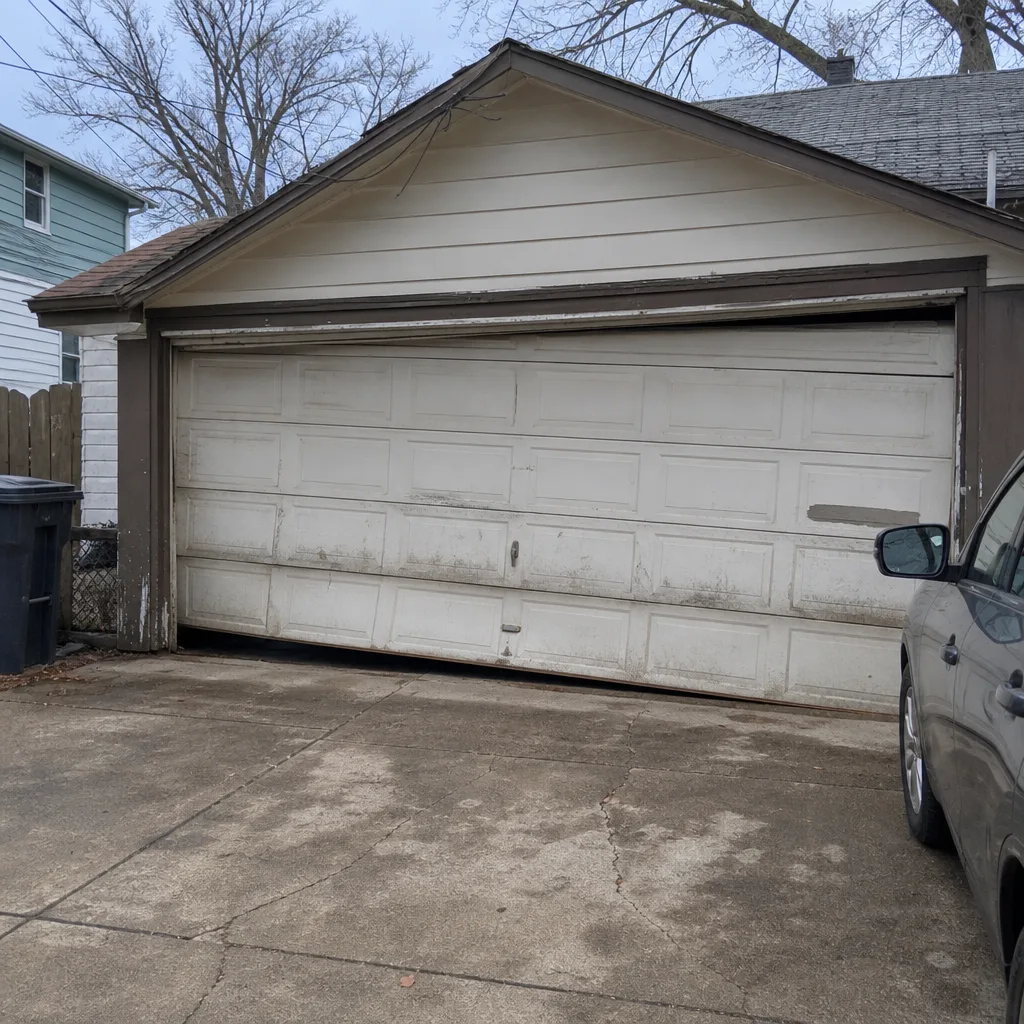 Before
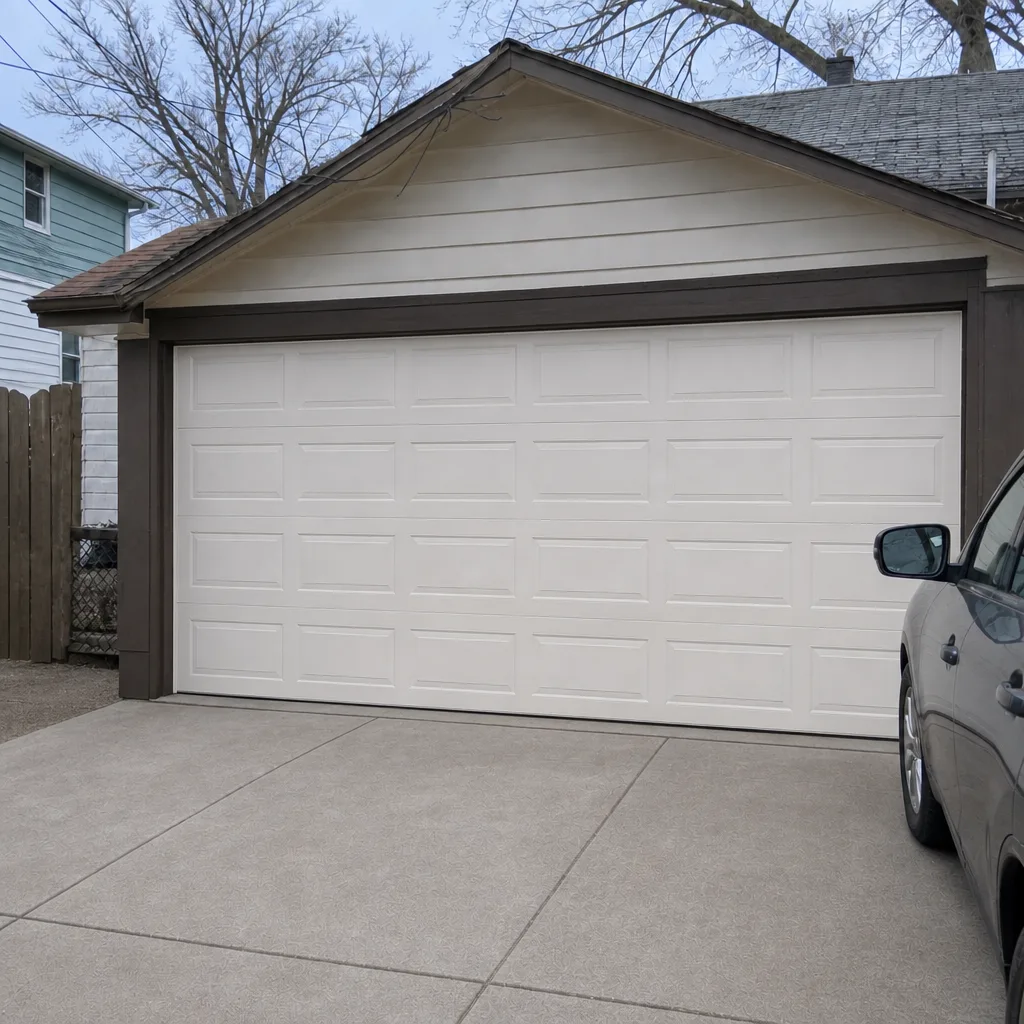 After
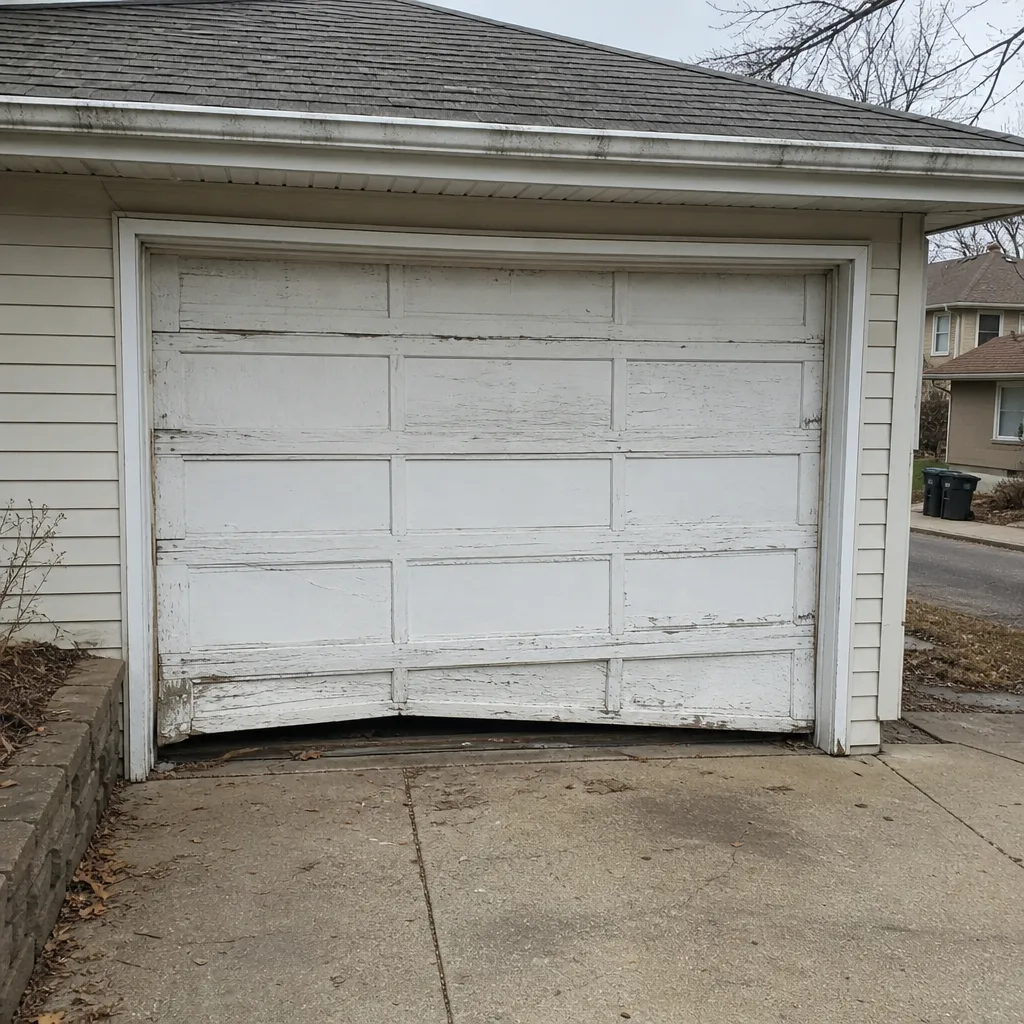 Before
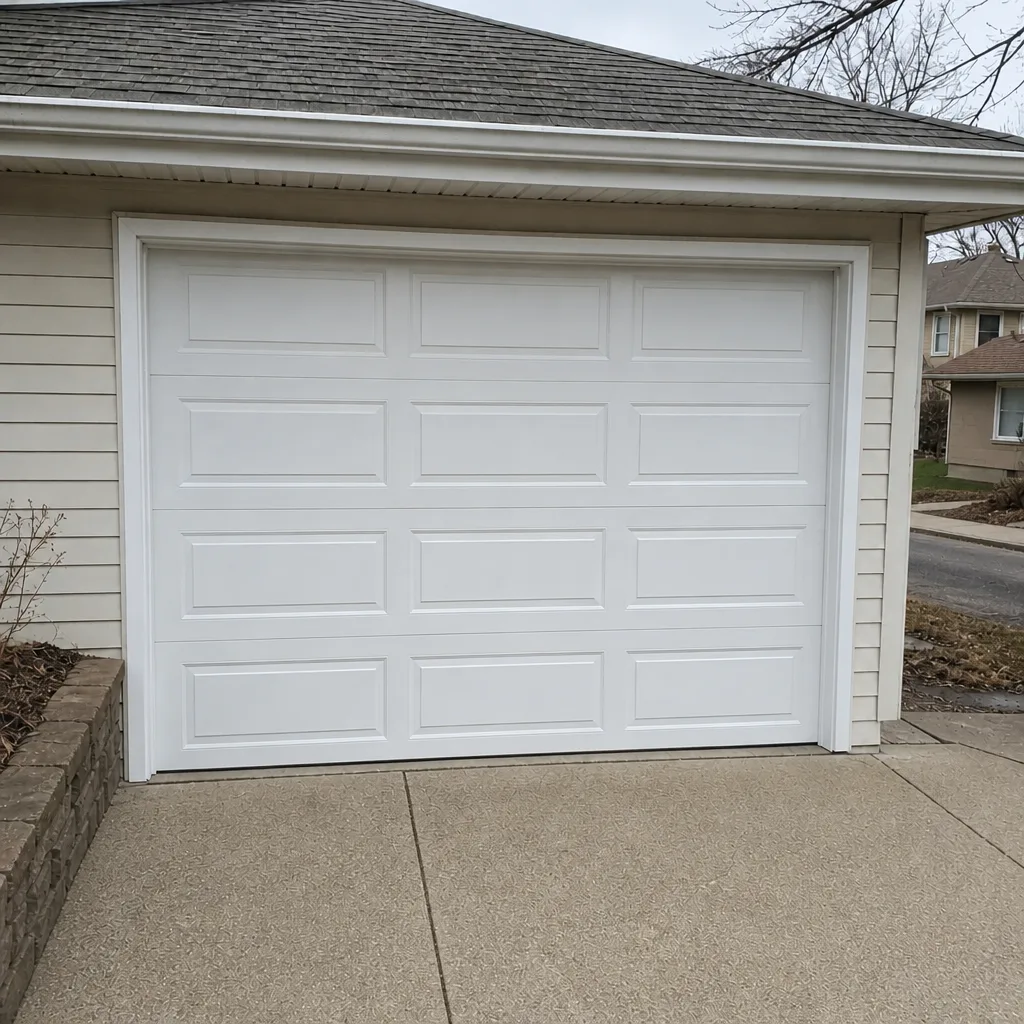 After
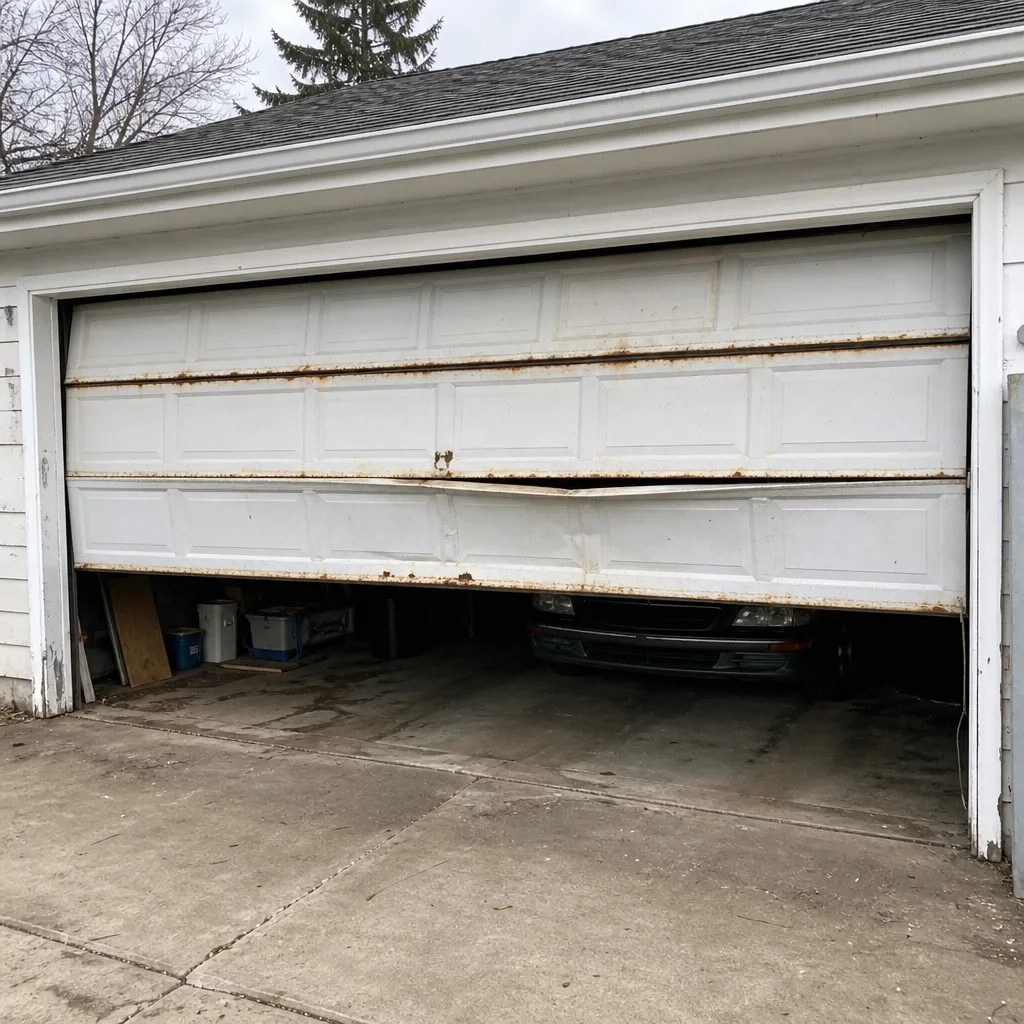 Before
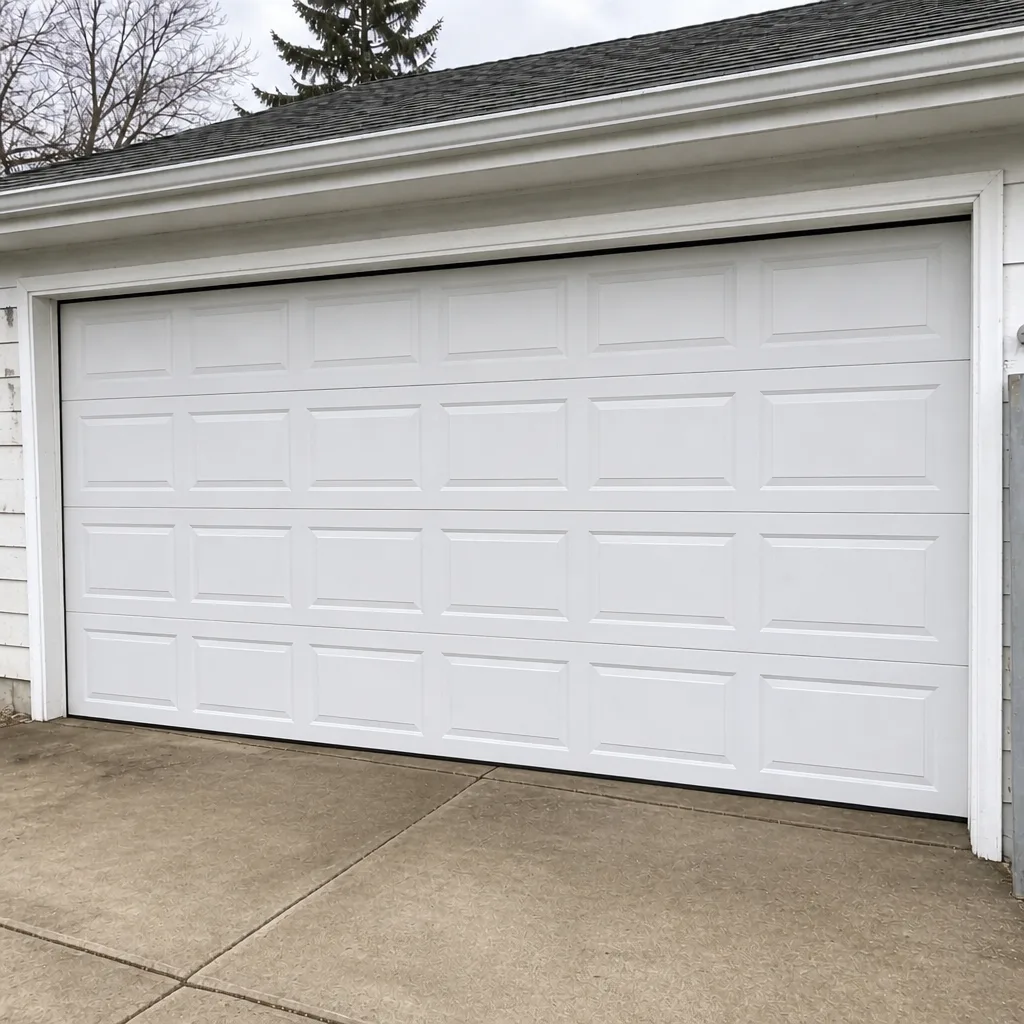 After
When to Call a Professional
Some seasonal tasks are yours to do: lubricating, testing the reverse, wiping sensors, checking for gaps. Others should always go to a trained technician. Call a professional if you see a broken spring, a frayed or slack cable, a door that’s come off its tracks, panels that are bent or separating, an opener that reverses or stalls repeatedly, or any spring or cable issue at all. These are dangerous to handle yourself and easy to make worse. If you’re unsure whether something is a quick fix or a real problem, a free estimate settles it. In our experience, the homeowners who call at the first odd sound spend far less than the ones who wait for a failure. Garage Door Repair Como offers free estimates in Como – call (855) 514-8247. We answer 24/7, with fast dispatch from 7am to 7pm, Sunday through Friday. And when a door is beyond seasonal repair, a proper garage door installation is the durable fix.
Frequently Asked Questions
Twice a year at minimum – once in fall before the first hard freeze, and once in spring after the thaw. Between those visits, a ten-minute monthly check catches most developing problems early. A door that gets heavy use may need the deeper checks more often; a lightly used door can stretch to the seasonal schedule.
Cold contracts metal, stiffens lubricant, and makes rubber and sensors less flexible, so a door that worked at 40°F can bind or reverse at -10°F. The fix is usually a combination of cold-rated lubricant, sensor alignment, and a check on spring tension. If the door still struggles after those, have a technician look at it.
No. Torsion springs are under extreme tension and can cause serious injury if handled without the right tools and training. This is one of the most dangerous repairs on a garage door. Always have spring work done by a trained professional – it’s why we treat spring repair as a dedicated service.
Lubricate the moving parts with a cold-rated product, recalibrate the opener’s limit switches, test the safety reverse, inspect and replace any dry bottom seal, and tighten loose track brackets. Getting these done in mild weather is far easier than fixing them in January.
Freeze-thaw heaving moves the slab and the ground under the door over winter, and a gap that opens under the closed door is usually that movement showing up at the seal. Sometimes it’s just a worn seal, but if the door sits crooked too, the alignment needs a technician’s look.
We’re certified to work on eight major brands, including LiftMaster, Chamberlain, Genie, Clopay, Amarr, Wayne Dalton, Craftsman, and Raynor. Brand-specific knowledge matters because a Wayne Dalton door and a Raynor door don’t have the same mechanisms or the same seasonal weak points. Call (855) 514-8247 for a free estimate.
The Bottom Line
Seasonal care in Como isn’t about doing more – it’s about doing the right thing at the right time. Fall is for lubricant and limit switches before the freeze. Winter is for watching spring tension and sensor alignment. Spring is for checking the floor seal and frame after freeze-thaw movement. Summer is for easing the load on springs and the opener motor. And the cable drum inspection belongs on every one of those checklists. A door that’s tuned to the seasons lasts longer, fails less, and costs less to keep working. If anything seasonal turns up, call (855) 514-8247. We answer 24/7. Fast dispatch from 7am to 7pm, Sunday through Friday. The estimate is free, and the written estimate sets the price before any work starts.
Written by the team at Garage Door Repair Como.