
Last updated November 22, 2026
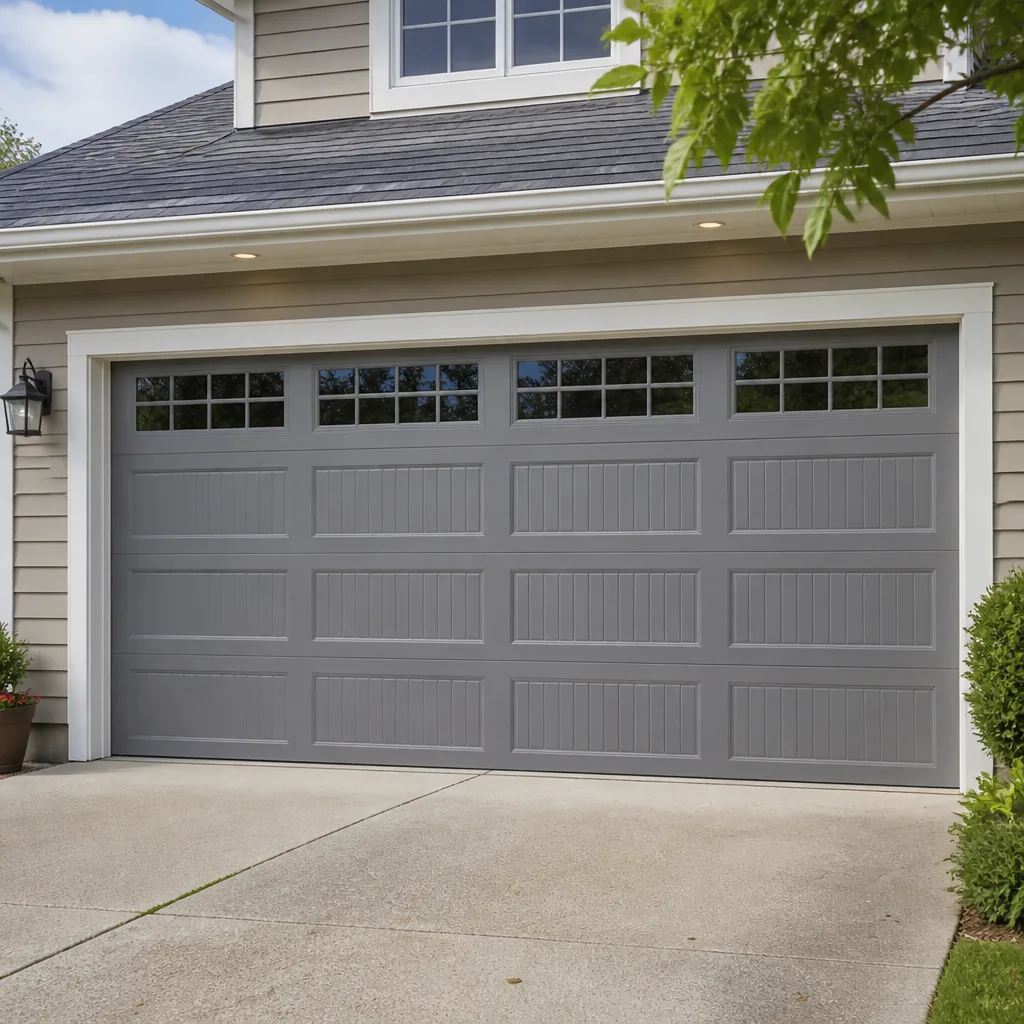 Raised-panel steel
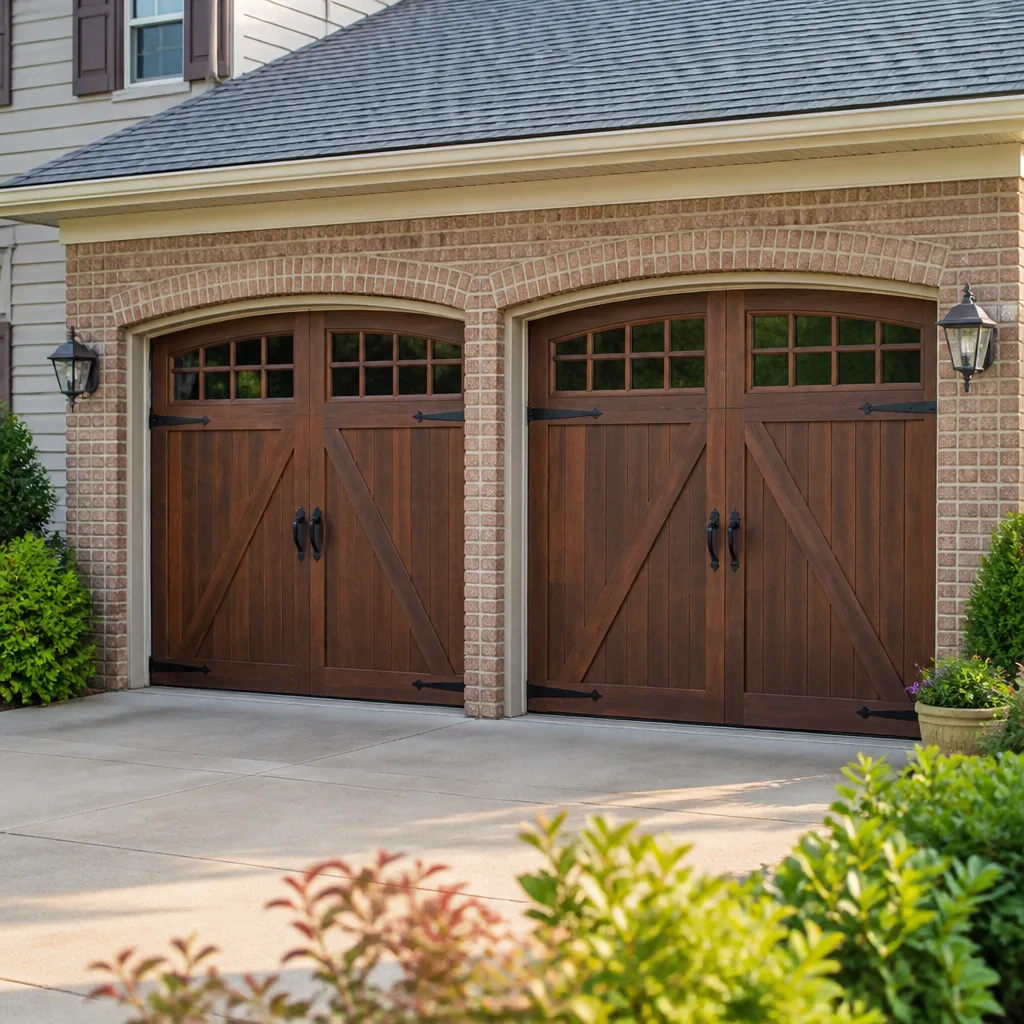 Carriage house
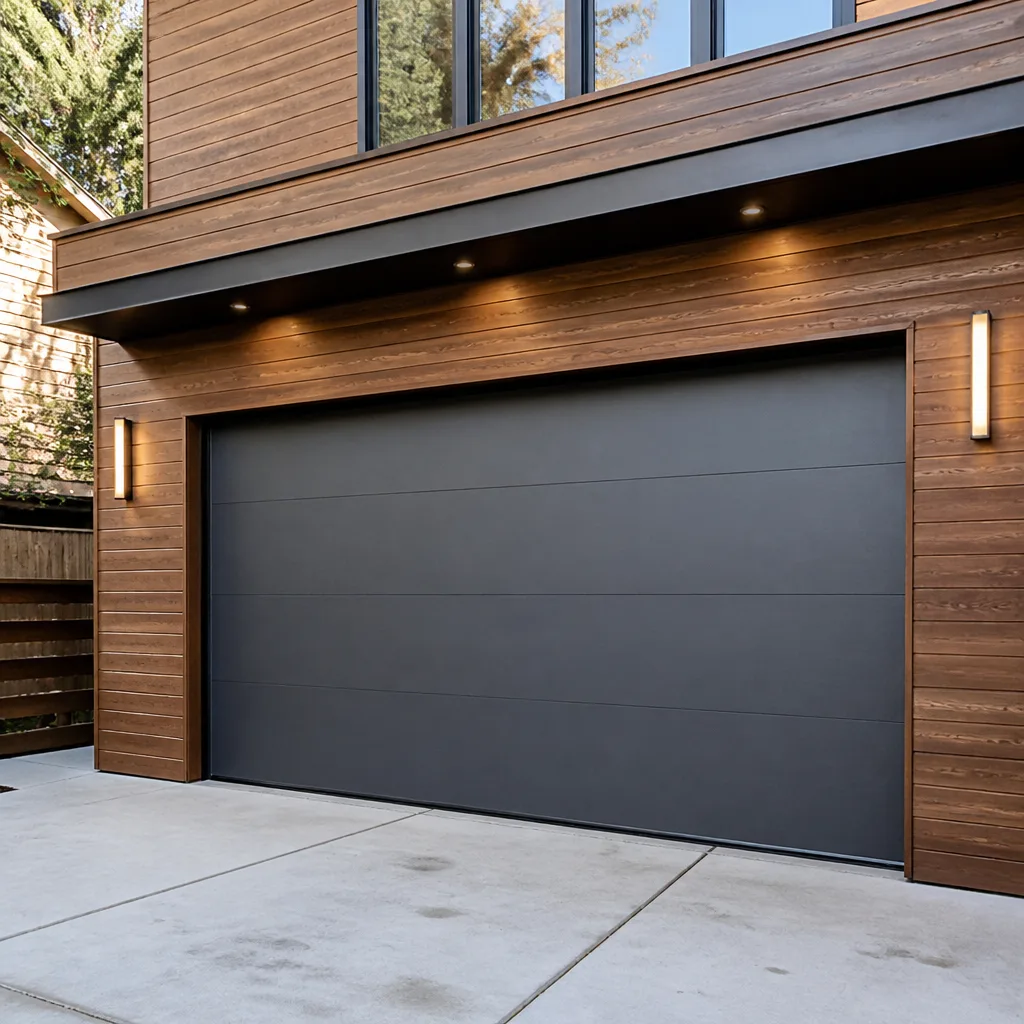 Modern flush
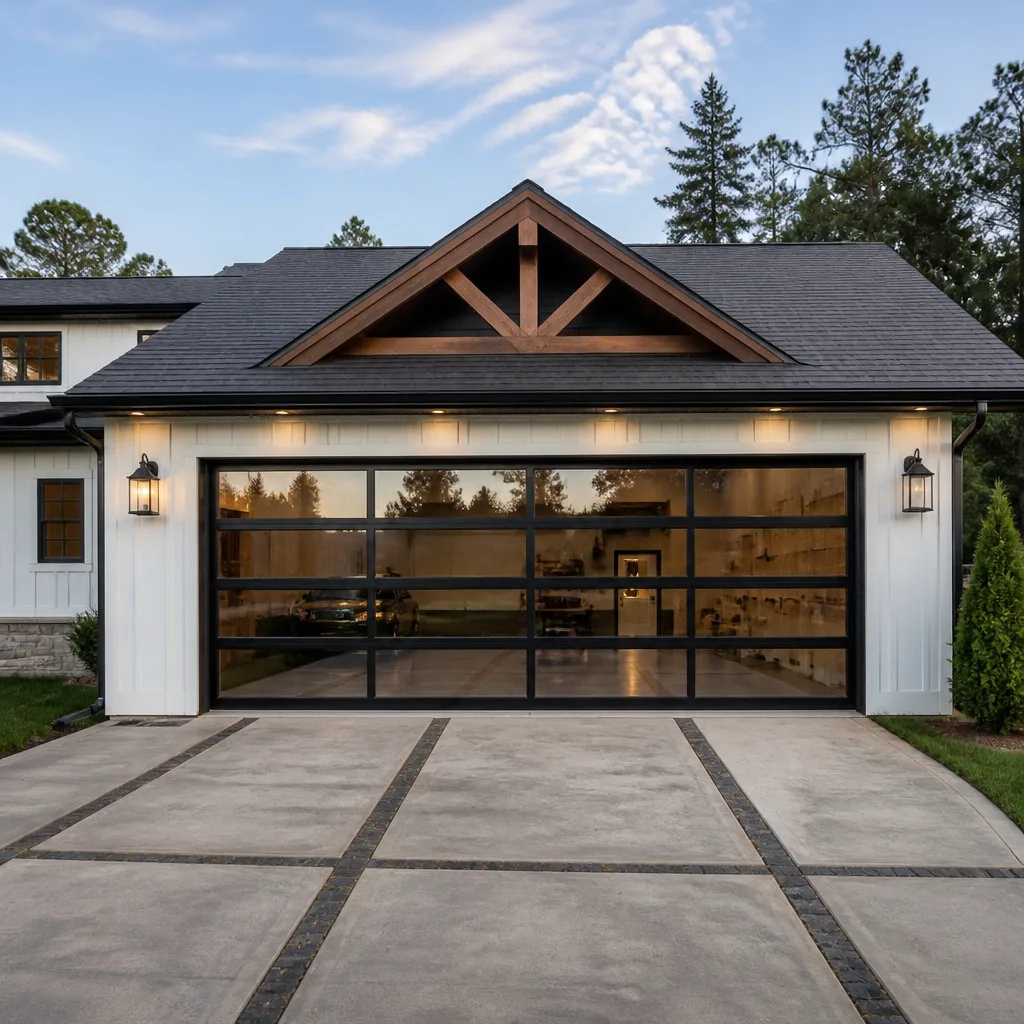 Full-view glass
 LiftMaster openers
 Chamberlain openers
Full 25-point door and opener safety check with every visit - springs, cables, rollers, tracks, and your LiftMaster or Chamberlain opener included
You get a price before we start. It does not change when the pro arrives.
Get your free estimateDIY vs Professional Garage Door: The Como Homeowner’s Decision Guide
Torsion springs store enough energy to cause a serious injury in the fraction of a second it takes to realize you’ve made a mistake. That isn’t a liability disclaimer tacked onto the bottom of a service page. It’s physics, and it doesn’t care how handy you are, how many tutorials you’ve watched, or how carefully you’ve planned your Saturday. The DIY-versus-professional question for garage doors isn’t really about skill level at all. It’s about which specific tasks carry mechanical risk that no video can teach away, and which ones a careful homeowner can genuinely handle. This guide draws that line task by task, so you know exactly what you can safely own in your Como garage and what belongs in the hands of a technician.
Quick Answer
In Como, homeowners can safely handle lubrication, sensor cleaning, visual inspections, and operating the manual release. Spring replacement, cable work, track realignment, and opener adjustments belong with a trained technician, because those components are under high tension and a mistake can cause serious injury. Everything else – a stuck door, a noisy opener, a dented panel – comes down to diagnosis, and that’s the part a professional gets right the first time.
Styles & brands we work with
- Raised-panel steel
- Carriage house
- Modern flush
- Full-view glass
- LiftMaster openers
- Chamberlain openers
Table of Contents
- Where the Real Line Sits: Safety, Not Skill
- What a Homeowner Can Safely Do
- What Requires a Technician and Why
- The Tools Don’t Make It Safe
- Opener Programming and Limit Switches Done Right
- Warranty and Insurance: What DIY Actually Costs
- DIY vs Professional: A Task-by-Task Cost View
- Why Como Doors Age the Way They Do
Where the Real Line Sits: Safety, Not Skill
Most DIY-versus-pro conversations start in the wrong place. They ask whether a homeowner is “handy enough,” which is a question about confidence, not competence. The better question is whether the specific task can hurt you or wreck the door if it goes wrong, regardless of how much experience you bring to it.
Garage doors run on stored mechanical force. A torsion spring on a standard residential door is wound and held under tension for years, and releasing that tension improperly sends the spring, the winding bars, or the cable flying with force you can’t react to in time. Extension springs on older doors carry the same kind of stored energy, held back by cables and anchors. This is why the line isn’t between “easy jobs” and “hard jobs.” It’s between jobs where a mistake costs you an afternoon and jobs where a mistake costs you a hospital visit.
In our experience across Como, the doors that cause the most trouble aren’t the ones that were clearly broken. They’re the ones a homeowner partially fixed. A door with a spring that was swapped but not tensioned correctly, or a cable that was re-seated without the proper winding procedure, often works for a few cycles before it fails worse than it did before. The correction cost climbs from there.
Here’s the mental model we recommend: sort every potential task into one of three buckets before you touch anything.
- Green: low force, low consequence, reversible. Clean, lubricate, inspect, and operate.
- Yellow: involves adjustment or electronics but no stored mechanical tension. Proceed only with the manufacturer’s manual in hand.
- Red: anything holding or releasing mechanical force. Springs, cables, and the assemblies they anchor to. Leave these alone.
That three-bucket system is the whole guide in miniature. What follows is the detail behind each.
What a Homeowner Can Safely Do
There’s real work a Como homeowner can and should do, and it’s not busywork. A door that gets lubricated, inspected, and adjusted at the operator level will outlast one that doesn’t. The owner’s manual that came with your Genie or Clopay door and opener is the authority here – follow it when it gives a torque, a frequency, or a specific product recommendation.
Lubrication. Rollers, hinges, and the torsion tube benefit from a garage-door-specific lubricant, not WD-40, which attracts grit and evaporates quickly. The manual for your door will name the right product. Wipe old lubrication and debris away first, then apply thin coats.
Sensor cleaning and testing. The photo-eye sensors near the floor on each side of the door should be wiped clean periodically. Test them by placing an object in the light beam while the door is closing. It should reverse immediately. If it doesn’t, the sensor or its wiring needs professional attention.
Manual release operation. Every homeowner should know how to disengage the door from the opener with the pull cord. Practicing that with the door closed, without standing under the door, teaches you what the release feels like. It also lets you test the door’s balance: lift it manually to about waist height and let go. A well-balanced door stays put. One that drops or rises on its own needs a technician.
Visual inspection. Look at the cables for fraying or kinks, the springs for gaps or visible gaps in the coil, and the tracks for dents or debris. Do this with the door closed and the spring system at rest. Nothing here requires you to reach into the moving parts.
Weatherstripping. Bottom seals and side seals that have cracked can be replaced by a careful homeowner, following the manufacturer’s instructions. This matters more in Como’s climate swings than you might expect.
That’s the genuine DIY list. It’s short because it should be.
What Requires a Technician and Why
Spring replacement is the headline, but it’s not the only red task. The following work belongs with a trained technician because each of these components is either under tension or part of the system that holds the door’s weight.
- Torsion and extension spring replacement. Winding requires specific winding bars, a winding chart for your door’s exact weight and height, and hands that have done it many times. This is why dedicated spring repair is a specialty, not a sideline.
- Cable replacement and re-seating. Cables are under tension from the spring system. A cable that slips or snaps mid-work can cause severe injury, and a mis-seated cable can drop a door.
- Track realignment. Tracks need to be plumb and correctly spaced. A door that’s been knocked off a bent track can’t be pushed back into place with force without creating a much bigger repair.
- Panel replacement. A damaged section on a sectional door has to be replaced in an order that respects the spring tension above it. Getting the order wrong can damage adjacent panels.
- Any work on a door with broken or missing parts. A door missing a roller, a hinge, or a safety cable on an extension-spring system isn’t one repair away from safe. It needs a full assessment.
If you’re facing any of these, the practical move is to stop, leave the door in the position it’s in (don’t try to force it open or closed), and call us at (855) 514-8247. We answer 24/7, and fast dispatch runs from 7am to 7pm. Same-day service is often possible for failures that can’t wait. A trained technician diagnoses the whole system, not just the failed part, and quotes the price in writing before any work starts.
For a straight assessment of what your door needs, our garage door repair service covers the full range, from a single snapped spring to a door that’s come entirely off its track.
The Tools Don’t Make It Safe
There’s a specific misunderstanding worth naming. Some homeowners research spring replacement, buy or borrow a proper set of winding bars, and conclude that the tools make the job accessible. The tools are necessary. They are nowhere near sufficient.
What actually makes spring work safe is repetition and training – doing it enough times, on enough different doors, to know what correct tension feels like, to have seen how a wrong winding chart behaves, and to have internalized the small warning signs that show up before a spring fails. A torque spec doesn’t tell you anything about what the winding feels like when the spring’s rated capacity doesn’t match the door’s weight, and that mismatch is a common cause of premature failure.
On top of that, the winding process is unforgiving of small errors. A bar that slips, a wrong number of quarter-turns, a spring seated at the wrong anchor hole – each of those can produce enough movement in a fraction of a second to cause serious injury to a wrist or face. That isn’t a scare tactic. It’s the reason spring work is treated as a dedicated specialty, and the reason we offer it as its own service rather than folding it into general repairs.
Our technicians have up to 11 years of experience, and much of that experience on the spring side translates to knowing when a door needs a matched pair rather than a single spring, and when a spring failure is really a symptom of a door that’s out of balance. A homeowner working alone has no way to check those judgments against a second set of eyes.
Opener Programming and Limit Switches Done Right
Opener adjustments fall in the yellow bucket. A homeowner can do them, and the manufacturer’s manual will walk you through every step for your model. What follows is the shape of the process and the common points where a careful owner goes wrong.
- Read the specific manual for your model. Limit settings on a LiftMaster, Chamberlain, or Genie unit are adjusted differently. The buttons and codes vary between models by years of design. Guessing is the most common cause of miscalibration.
- Test the door’s balance before touching the opener. Disengage the manual release and lift the door by hand. If it doesn’t stay where you leave it, the opener isn’t the problem – the spring system is, and limit adjustments won’t fix it.
- Adjust the open and close limits in small increments. Move the door slightly, watch where it stops, and re-adjust. Setting a limit too far in either direction puts unnecessary strain on the opener’s drive and can cause the door to reverse mid-travel.
- Set the force sensitivity last. Force settings on a properly balanced door should be at the minimum that reliably closes it. High force settings mask other problems and remove the safety margin the door depends on.
- Test the safety reverse after every change. Put a solid object in the door’s path while it’s closing. It should reverse on contact or when the photo-eye beam is broken. If it doesn’t, stop and call a technician – the door isn’t safe to operate.
Miscalibrated limits cause most of the “my opener worked fine yesterday” calls we get in Como. The door travels past its intended stop, the opener’s gear strips, or the door binds on the frame and the opener keeps pushing. That last one can bend a panel. If you’re not sure your adjustments took, our garage door opener repair service covers diagnostics on any of the major brands, from the electronics to the travel limits.
Warranty and Insurance: What DIY Actually Costs
Here’s the part that doesn’t show up on the first invoice but shows up later. Manufacturer warranties on doors and openers typically condition coverage on installation and repair by qualified professionals. The fine print varies by brand and model, so read yours with a specific question in mind: if I do this work myself, will this manufacturer still honor a claim on this component?
On a Clopay door with a finish warranty or a Genie opener with a motor warranty, a homeowner’s altered component can void coverage on that component and sometimes on parts of the assembly it affects. That isn’t a scare claim; it’s what the documents say, and it’s why a professional repair on a part under manufacturer coverage comes with something a DIY job can’t match: a paper trail.
Homeowners insurance adds a second layer. Standard policies generally don’t cover damage a homeowner causes during their own repair, and a spring failure or door drop caused by in-progress DIY work is a gray area at best. That cost doesn’t appear in the “DIY saved me money” ledger, but it’s real, and it’s the kind of surprise nobody needs in the middle of a repair project.
Then there’s the cost of correction. A DIY spring job that goes wrong often requires more professional work than a first-call repair would have. A spring wound incorrectly damages the torsion tube. A door forced back onto a damaged track bends the panel. A mis-set limit strips the opener’s drive. Each of those turns one repair into two or three, and the total lands above what the original professional repair would have been.
That’s the ledger most homeowners should weigh: the DIY saving on the original repair versus the risk-weighted cost of a correction, a voided warranty, and an uncovered claim.
DIY vs Professional: A Task-by-Task Cost View
Below is a task-by-task view of what a Como homeowner is really comparing. Prices here are typical estimates for the area, and the written quote you get from a technician is the final word on cost. We set the price for the job, in writing, before any work starts, and it doesn’t change once the technician sees the door.
- Lubrication and sensor cleaning (DIY): No part cost beyond lubricant. Genuine value, safe for most owners.
- Manual release operation practice (DIY): Free. Worth knowing before you ever need it.
- Weatherstripping replacement (DIY or pro): A modest part cost if you buy the seal yourself. Installation is manageable for a careful homeowner with the manufacturer’s instructions.
- Opener programming and limit adjustment (DIY or pro): DIY is fine if you have the manual and test the safety reverse after every change. If you’re uncertain, professional diagnostics are usually modest and cover the whole opener.
- Single torsion spring replacement (Pro): Typically $180 to $340 per spring on a standard residential door. A matched pair is usually replaced together, so expect roughly double that range for the pair.
- Extension spring replacement (Pro): Comparable to the torsion range, depending on door configuration.
- Cable replacement (Pro): Priced per job with a written estimate that covers both cables and the labor.
- Track realignment (Pro): Priced based on the extent of the damage and whether panels are involved.
- Opener replacement (Pro): Quoted in writing based on opener model and door type, with the old unit removed and the new one tested on-site.
- Full door installation (Pro): Quoted in writing after a free measure, since panel, spring, and opener selection all affect the final number.
As with any repair on a moving system, ask for the quote to specify what’s included: parts, labor, hauling the old components away, and the balancing check after the work is done. If a quote doesn’t say, that’s the first question.
Why Como Doors Age the Way They Do
Como’s climate works on garage doors relentlessly, in ways that don’t show up on a door in a milder region. Freeze-thaw cycles through winter move the wood and steel unevenly. Summer humidity swells the framing. The door opens and closes through all of it, often several times a day, and the springs and cables take the cumulative strain. This is one of the reasons spring failures cluster in the colder months and why a door that seems fine in September can bind in January.
What that means practically for Como homeowners is that routine inspection matters more here than the typical homeowner expects. A visual inspection after the first hard freeze of the season, and again when the snowmelt starts, catches frayed cables and worn hinges before they turn into a spring failure. Lubrication applied before winter and again in spring keeps rollers rolling and hinges quiet. Weatherstripping that’s cracked or missing lets in moisture that speeds up the wear on everything inside the door assembly.
It also means something about the DIY decision. A door that’s been through many winters in Como is often working with less margin than a newer door in a milder place. A homeowner attempting an adjustment on a door that’s already near the edge of its tolerance has less room for error. When in doubt, the professional call is the safer one.
If the door itself has reached the end of its useful life, our garage door installation service starts with a free measure, then a written price on the door, hardware, and any opener work needed to bring the whole system up to date. For all the general information about what we cover, see Garage Door Repair Como.
Common Mistakes to Avoid
- Forcing a stuck door. If a door won’t open and the opener is running, the problem is mechanical, not electrical. Pushing the door up with the opener engaged can bend panels and strip the opener’s drive gear.
- Holding a spring in place while you look for a tool. A wound torsion spring is under load. Never leave it in a partially-wound state, even briefly. This is exactly the small window where injuries happen.
- Using WD-40 on rollers and hinges. Non-garage lubricants attract grit and strip the factory lubricant. Use the product the manual recommends.
- Replacing one spring of a matched pair. On a door designed for a pair, the springs are matched for load. Replacing one leaves the mismatch working against the new spring, which shortens its life and can leave the door out of balance.
- Adjusting opener force to “make it work.” If the door needs more force to close, there’s an underlying problem with balance or obstruction. Raising the force removes the safety margin.
- Ignoring a frayed cable. Cables fray before they fail, and a frayed cable is a visible warning. In a Como winter, a cable that’s already compromised is the one most likely to break under the extra load.
- Skipping the safety reverse test after any adjustment. Every time you change a limit or a force setting, test the reverse. A door that closes without reversing when blocked is a safety hazard, not a nuisance.
See the difference
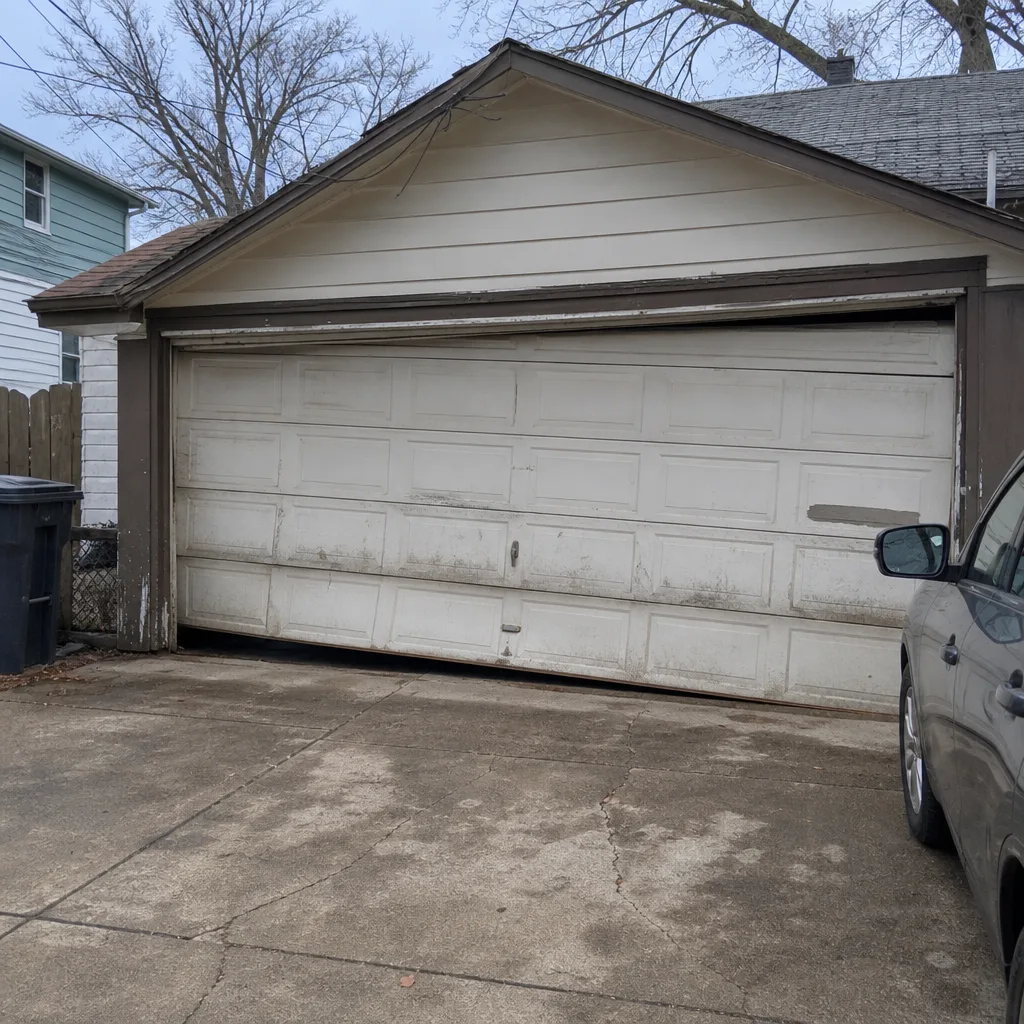 Before
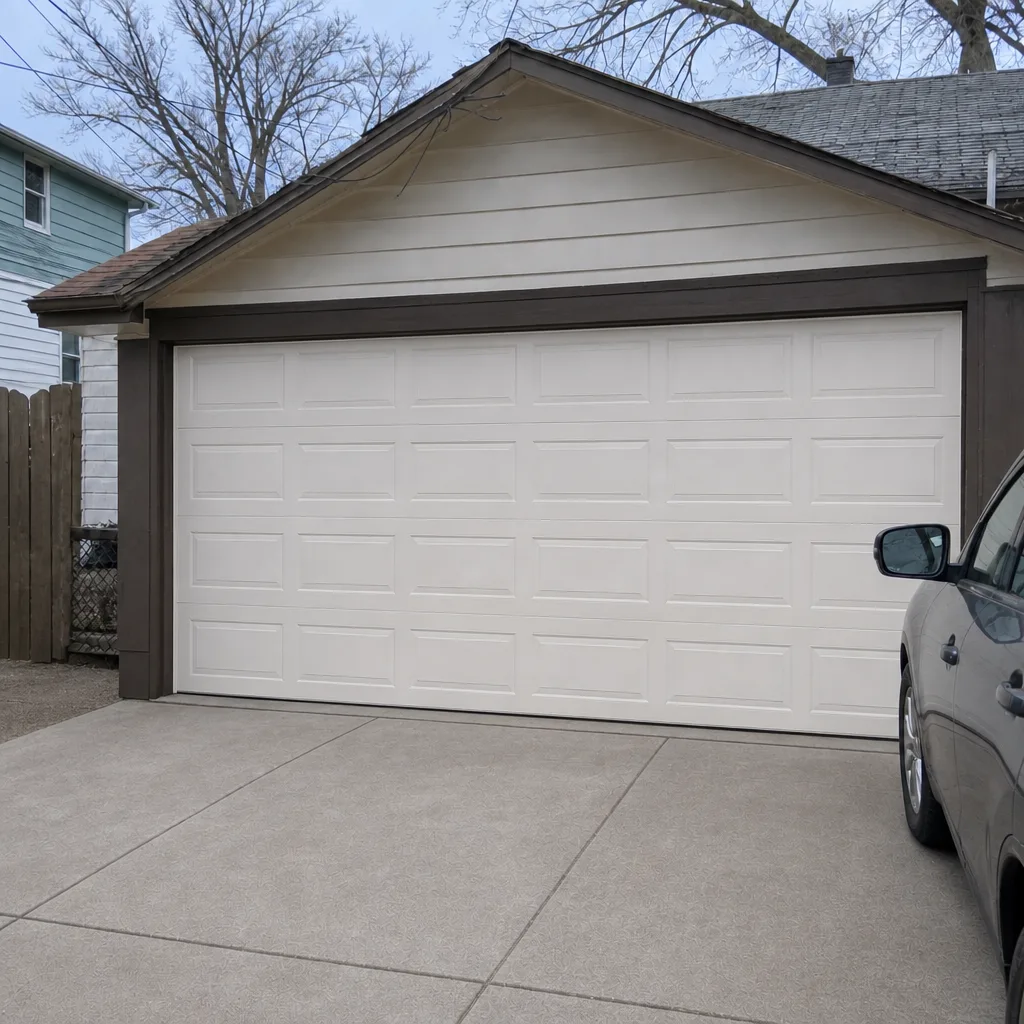 After
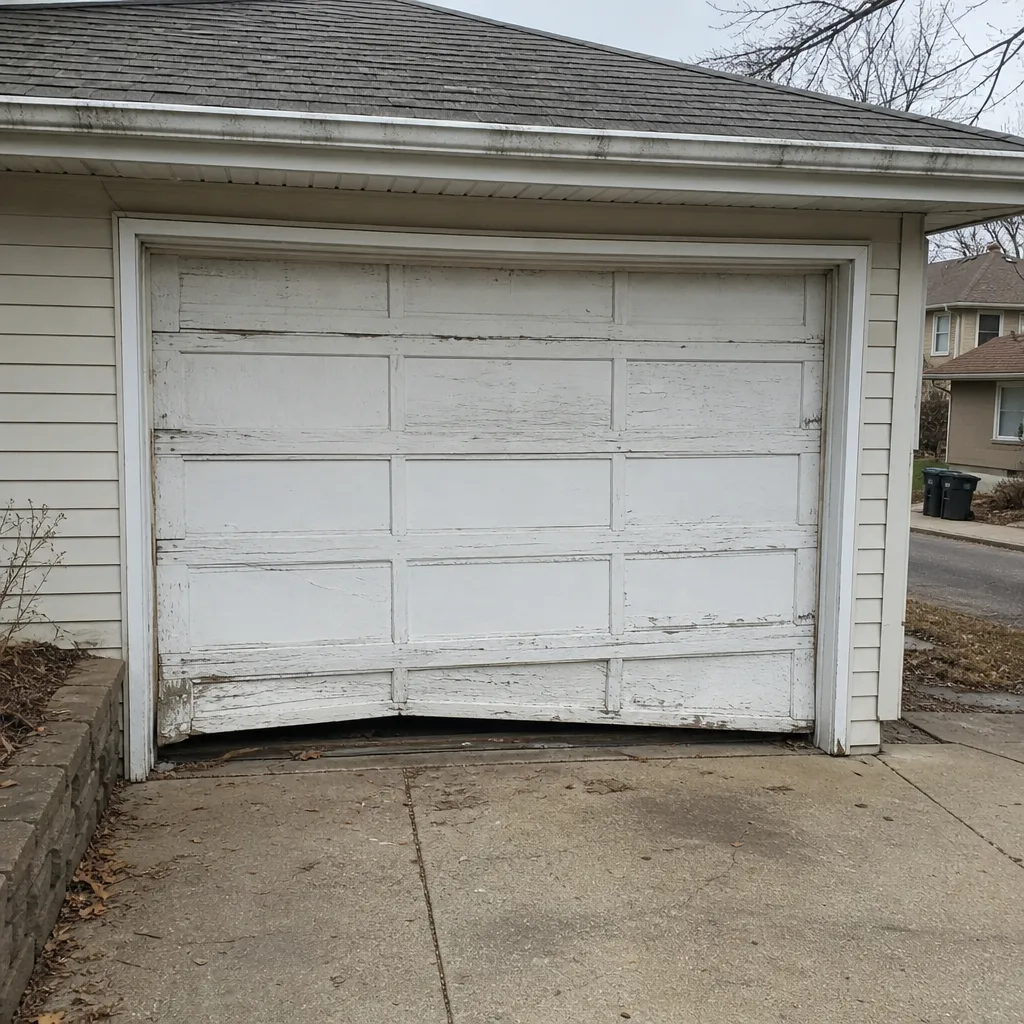 Before
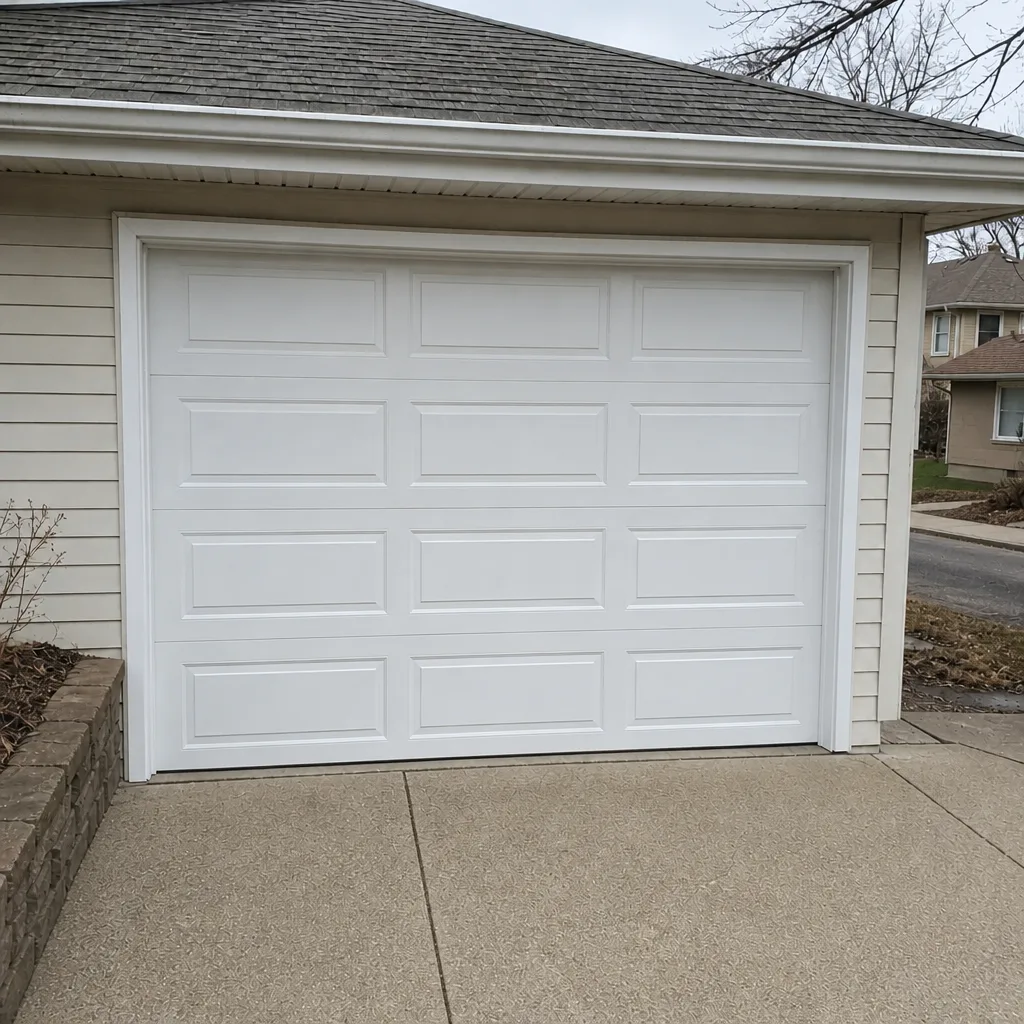 After
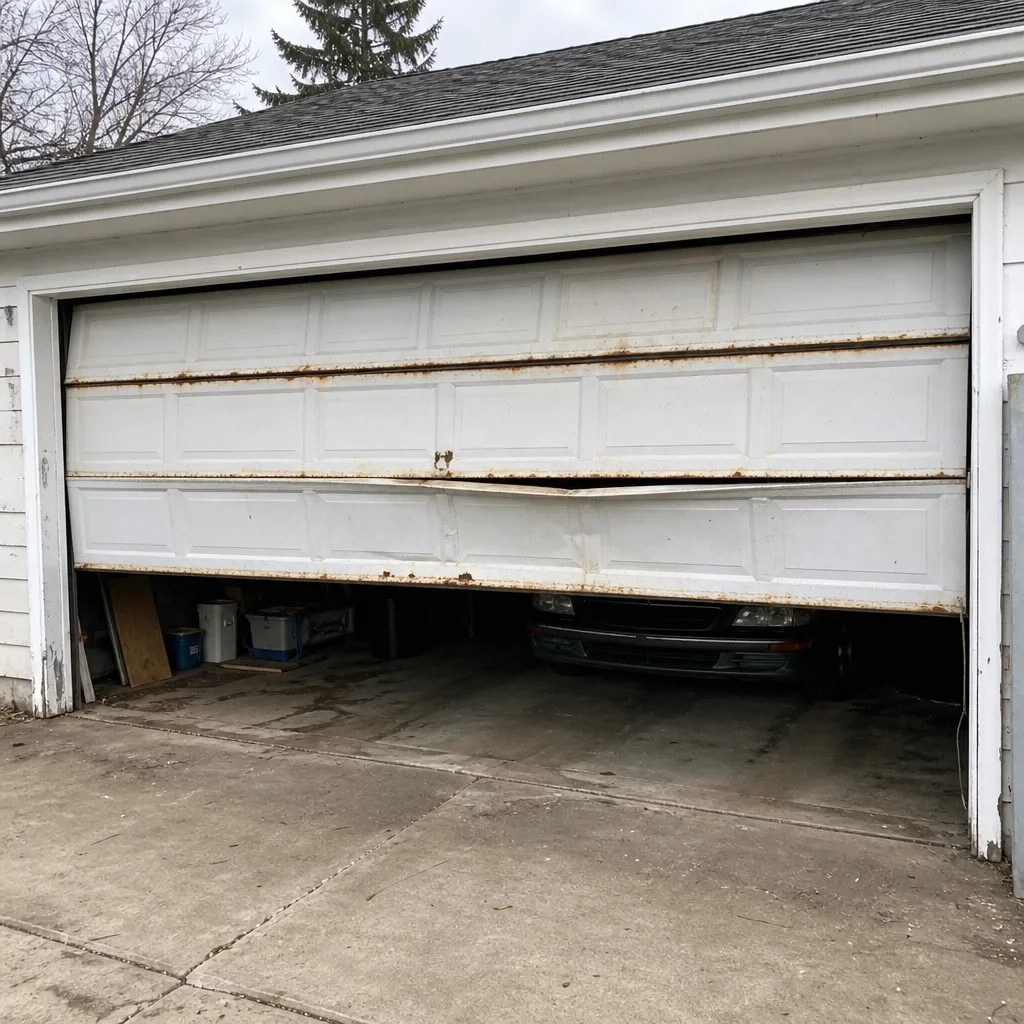 Before
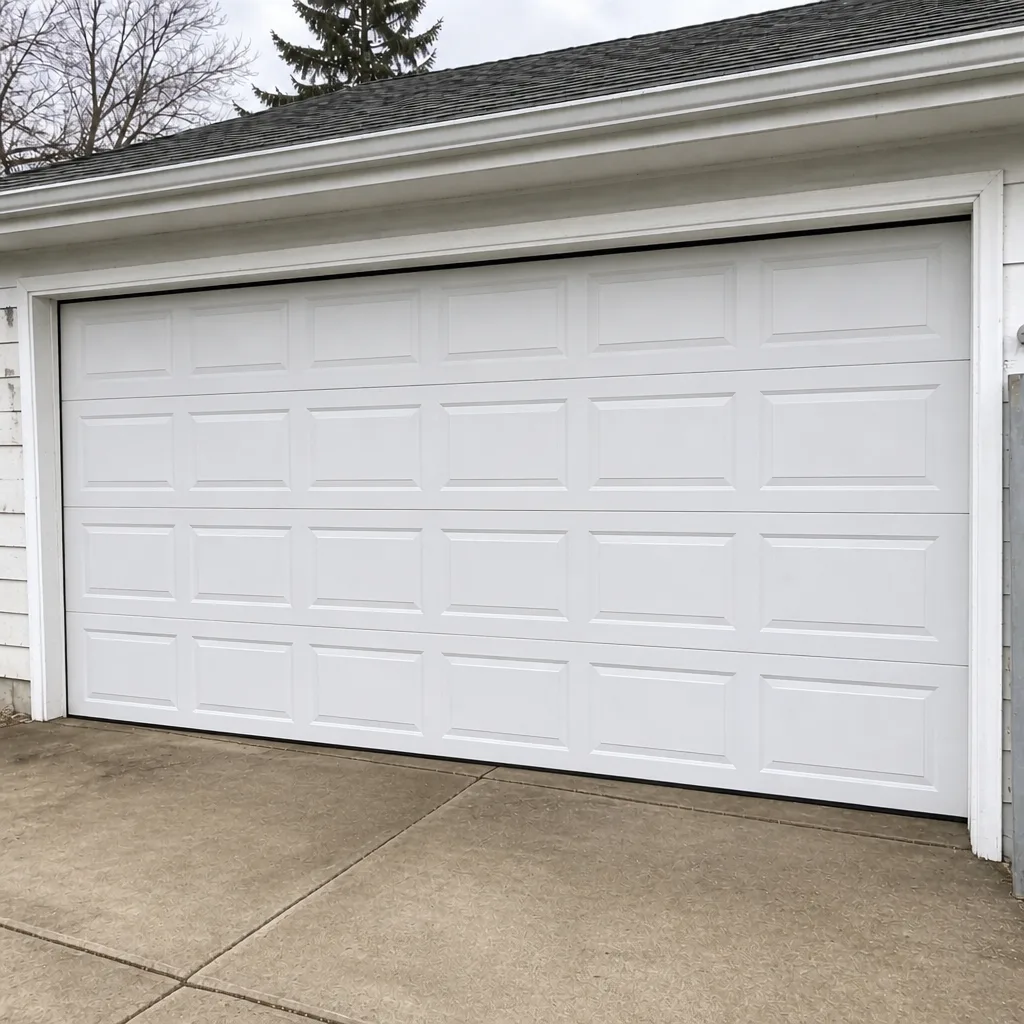 After
When to Call a Professional
Call a professional the moment any of the following is true: a spring has broken (you’ll often hear it as a loud snap), a door has come off its track, a cable is frayed, kinked, or visibly damaged, the door is unbalanced in manual operation, the opener runs but the door doesn’t move, or you’ve tried an opener adjustment and the safety reverse no longer responds correctly. Don’t wait for a door that “mostly works” to fail completely; a door in any of these states is a door that can hurt someone.
Garage Door Repair Como offers free estimates in Como. Call (855) 514-8247. We answer 24/7. Fast dispatch from 7am to 7pm, Sunday through Friday. We work on your brand, from Genie and Clopay to Amarr and Wayne Dalton, and we can also handle the any-door repair, spring, opener, and installation work under one call.
Written by the team at Garage Door Repair Como.
Frequently Asked Questions
You can, technically, but the more accurate answer is that you shouldn’t. Torsion and extension springs are under enough stored energy that a single mistake in winding or releasing causes serious injury. A trained technician brings the right tools, the right winding chart, and the repetition that makes the job safe. Call (855) 514-8247 for a free estimate if you suspect a spring issue; we answer 24/7 and dispatch from 7am to 7pm.
Garage door repair in Como typically ranges from around $180 to $340 for a single spring replacement, with a matched pair running roughly double that. Cable and track work, opener replacements, and panel replacements are quoted per job in writing before any work starts. Call (855) 514-8247 for an exact quote; estimates are free.
The local professionals we connect you with are licensed and insured as their state requires. Our technicians have up to 11 years of experience and work on eight major brands, including LiftMaster, Chamberlain, Genie, Clopay, Amarr, Wayne Dalton, Craftsman, and Raynor. Call (855) 514-8247 to talk through your door.
No. The written estimate you agree to before any work starts is the final price. We quote the job in writing, you agree, and then the work begins. If the technician discovers something that would change the scope, that gets discussed with you before anyone touches the door. Call (855) 514-8247 for a free estimate.
Yes, same-day service is often available for failures that can’t wait, and emergency service is part of what we do, not an afterthought. Call (855) 514-8247. We answer 24/7, and dispatch runs from 7am to 7pm, Sunday through Friday. A call outside dispatch hours is booked into the next opening.
Opener programming and limit adjustments are work a careful homeowner can do, provided the manufacturer’s manual for your specific model is in hand and the safety reverse is tested after every change. If the door isn’t balanced in manual operation, the opener isn’t the real problem. Our technicians handle garage door opener repair across the major brands, and a diagnostic call often reveals a balance issue that programming won’t fix. Call (855) 514-8247 if you’re stuck.
The Bottom Line
DIY and professional aren’t opposites in every part of garage door work. They sit on a line, and the line is set by stored mechanical energy, not by how confident you feel. Lubrication, sensor cleaning, visual checks, and manual release operation are genuinely yours to own. Springs, cables, track work, and any repair on a door that’s off balance or off track are the technician’s, because the risk isn’t recoverable once it starts. In Como, the case for calling a specialist early is even stronger, because the climate moves the parts faster than in milder places. The written estimate comes before any work, and it’s the price you pay. If you’re unsure which side of the line your door falls on, that’s a call worth making.
Call (855) 514-8247 for a free estimate. We answer 24/7. Fast dispatch from 7am to 7pm, Sunday through Friday. Same-day service is often available, and emergency service is a core part of what we do. Our technicians have up to 11 years of experience across eight major brands, and whether your door needs a spring, an opener, a cable, or a full replacement, one call covers it all.
Written by the team at Garage Door Repair Como.