
Last updated November 22, 2026
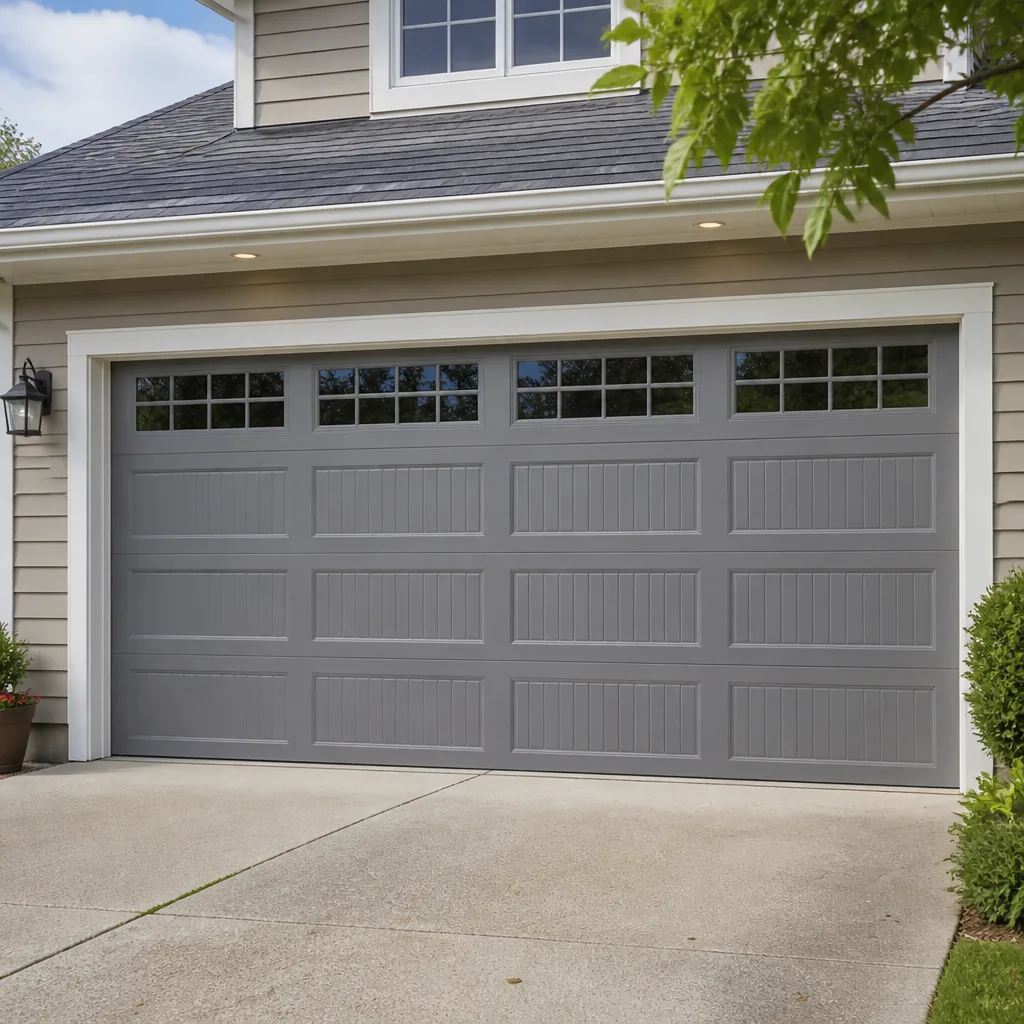 Raised-panel steel
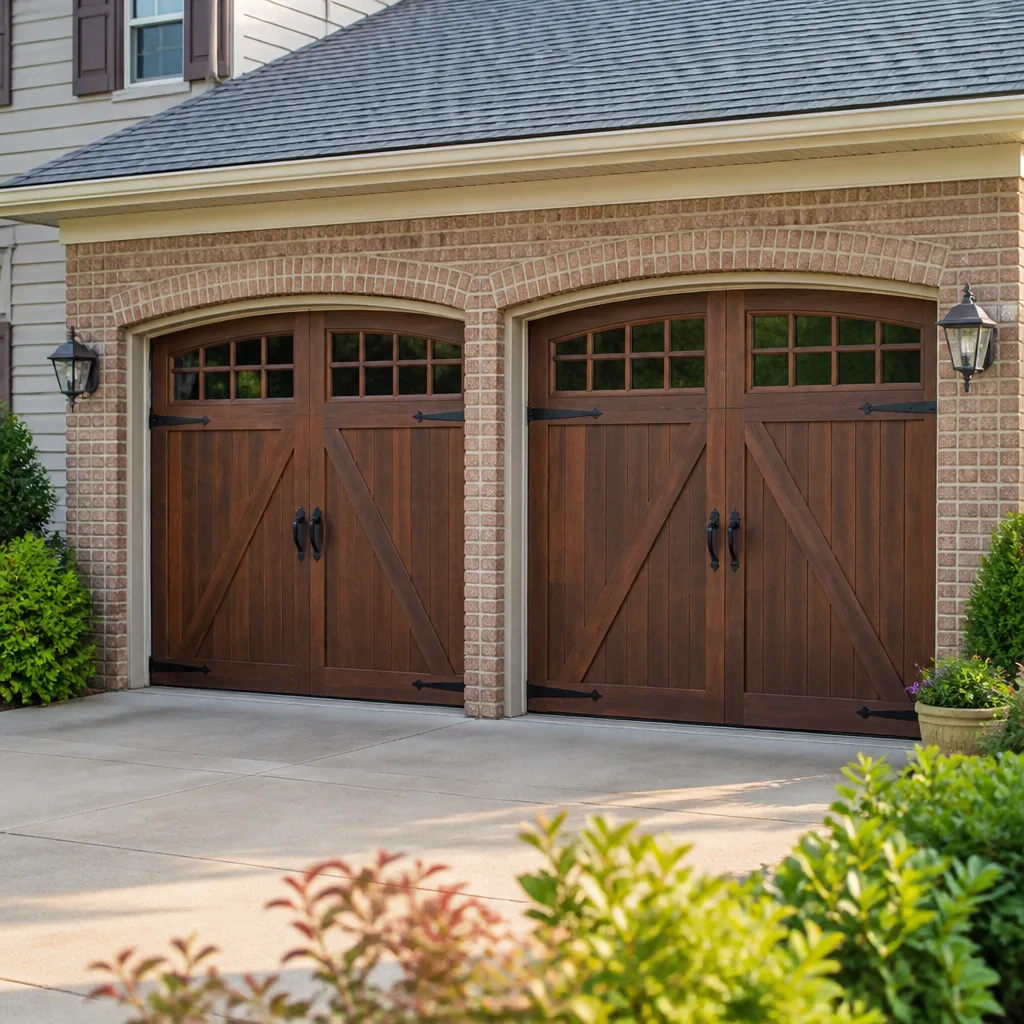 Carriage house
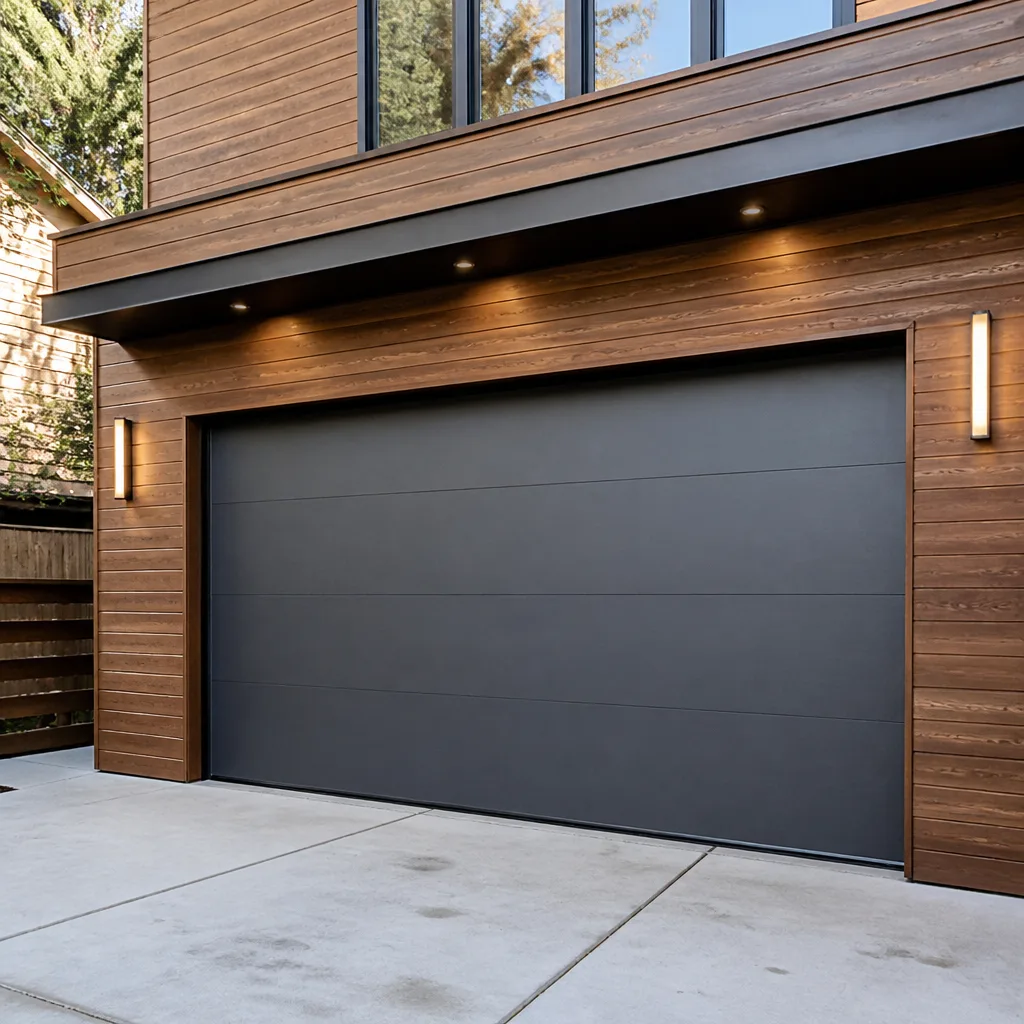 Modern flush
 Full-view glass
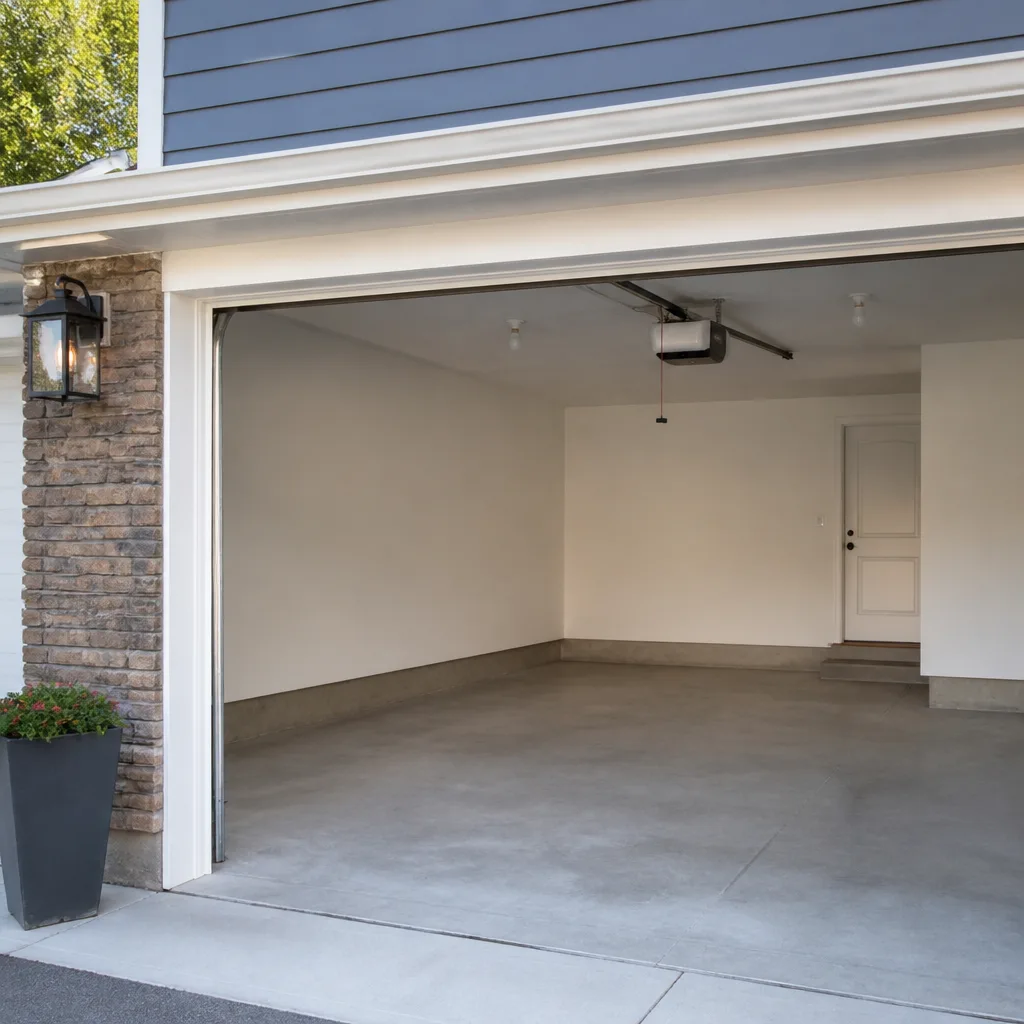 LiftMaster openers
 Chamberlain openers
Full 25-point door and opener safety check with every visit - springs, cables, rollers, tracks, and your LiftMaster or Chamberlain opener included
You get a price before we start. It does not change when the pro arrives.
Get your free estimateGarage Door Permits, Codes & Inspections in Como, MN: What You Need to Know
Most homeowners in Como assume a garage door is a garage door. You buy one, a crew hangs it, and the paperwork is somebody else’s problem. That assumption is where trouble starts. Here’s the part that surprises people: swapping a damaged panel or replacing a broken spring is routine maintenance in most cases, but installing a new door system on an existing opening can trigger a permit requirement that shows up where you least want it – a title search, an insurance claim, or a home inspection the week you’re trying to sell. This guide walks through what actually requires a permit in Ramsey County, how the Minnesota State Building Code treats garage door systems, what an inspector looks for, and what your options are if a previous owner left you with work that was never permitted. It’s the plain-English version we wish every Como homeowner had before they signed a work order.
Quick Answer
In Como and the rest of Ramsey County, replacing a garage door panel, spring, roller, or opener is generally routine maintenance and does not require a permit. Installing a new door system on an existing opening – or altering the opening itself – usually does require a permit from the city, and the work must meet the Minnesota State Building Code. The safest move is always to call the City of St. Paul’s building department and confirm before work starts, because the answer depends on what’s actually being changed.
Styles & brands we work with
- Raised-panel steel
- Carriage house
- Modern flush
- Full-view glass
- LiftMaster openers
- Chamberlain openers
Table of Contents
- Does garage door work need a permit in Como, MN?
- Which garage door work requires a permit in Ramsey County?
- How Minnesota State Building Code Section 1309 applies to garage doors
- The permit process and what “inspection ready” means
- How unpermitted work affects insurance claims
- What to do if a previous owner installed a door without permits
- Common mistakes to avoid
- Frequently asked questions
Does garage door work need a permit in Como, MN?
Sometimes yes, sometimes no, and the line isn’t where most people draw it. The dividing question is whether you’re maintaining an existing door or installing a new system. Maintenance – the kind of work that swaps a part for a like part – typically falls outside permit requirements. Installation of a new door, especially when the opening or the structure around it changes, usually doesn’t.
Here’s how it breaks down in practice for a Como home:
- No permit typically required: replacing a single door panel, swapping a torsion or extension spring, replacing rollers, hinges, or cables, installing a new opener on an existing door, and adjusting tracks.
- Permit usually required: installing a brand-new door system on an existing opening where none existed or where the door is being fully replaced with a different type or size, and any work that alters the opening’s framing, header, or structure.
- Permit and possibly additional review: enlarging the opening, adding a new opening to a wall, or changes that affect load-bearing structure.
The gray zone is a full door replacement in the same rough size on the same opening. Some jurisdictions treat that as a swap, others as an installation. We’ve learned not to guess on a homeowner’s behalf. The answer lives with the City of St. Paul’s building department, and a two-minute phone call there settles it. If you want a repair that keeps your existing door rather than one that requires a new permit, our garage door repair team can tell you whether the door is worth saving before you commit to a replacement.
Which garage door work requires a permit in Ramsey County?
Ramsey County is the county; the permit itself comes from the city where the home sits. For Como, that’s St. Paul. The county-level role is really about consistency – inspectors and contractors working under the same state code, so a door permitted in Como meets the same baseline as a door permitted anywhere else in the county.
The practical map for Como homeowners:
- Repair = normally no permit. Springs, cables, rollers, hinges, opener replacement, and panel swaps restore what’s already there.
- Full door replacement = check first. Replacing a whole door system on an existing opening is the most commonly misunderstood category. Call the city before the order is placed.
- Opening changes = permit required. Altering the size, location, or structural backing of an opening is construction, not maintenance.
- New construction = permit required. If you’re adding an attached or detached garage, the door is part of the overall building permit.
- Opener installation = normally no permit. An opener is an appliance, not a structural alteration, though if you’re switching from a manual door to a powered one the door and opener need to be compatible.
Because Como sits next to the St. Paul campus area and the neighborhoods around it, there’s a steady mix of older homes with original openings and newer replacements. That mix is exactly why a blanket answer is risky. A door that was installed to code on a 1940s opening still has to satisfy today’s safety requirements when it’s replaced, and that’s where the permit and inspection step does real work.
How Minnesota State Building Code Section 1309 applies to garage doors
Minnesota’s residential code lives in the state building code, and the chapter that covers existing buildings and residential work – including the provisions numbered around Section 1309 – is where garage door systems get addressed. In plain terms, the code is less interested in whether you bought a Clopay or a Wayne Dalton and more interested in whether the finished installation is safe, structurally sound, and set up correctly.
What inspectors and code compliance really come down to on a new or replaced door:
- The opening and framing are structurally sound. Headers, jambs, and the wall above the opening have to support the door’s weight and movement.
- The door is installed per the manufacturer’s instructions. That’s not just a suggestion – manufacturer installation requirements become the minimum standard.
- Safety features are in place and working. For a powered door, that means the auto-reverse and safety-reverse features function as the code expects.
- The door operates correctly. Proper travel, alignment, and safe closing force are all part of passing.
- Labeling and documentation. The door and any opener should be labeled and documented as installed.
Where inspectors spend the most attention is on the powered door safety side. If your home uses a LiftMaster or Chamberlain opener, those systems have photo-eye and reversal features built in – but they only count if they’re installed and functioning. Our garage door opener repair technicians check those safety systems as a standard part of the job, because the door can look perfect and still fail a safety check on the opener side.
One warning: the code details can change, and reading a summary isn’t the same as reading the code. When it matters for your permit, the city’s building department is the authority, and your contractor’s job is to build to what the inspector will actually approve.
The permit process and what “inspection ready” means
The permit process for a garage door installation is short, but it only runs smoothly if it’s started before the door is ordered. Here’s the sequence we recommend to Como homeowners:
- Confirm the requirement. Call the City of St. Paul’s building department. Ask specifically whether a full door replacement on your existing opening requires a permit. Note what they tell you.
- Get the scope in writing. Your contractor’s written estimate should describe exactly what’s being removed and installed, including door size, type, and opener if any. This is the document the permit application is based on.
- Apply for the permit. The permit is applied for by the homeowner or the contractor, depending on how the job is set up. If you’re handling the door work through our garage door installation service, ask us up front who is pulling the permit so it doesn’t fall through the cracks.
- Schedule the installation. Don’t let the door be installed before the permit is in hand.
- Get ready for inspection. Before the inspector arrives, confirm the door operates correctly, the safety features are functioning, and the paperwork is available.
- Book the inspection. St. Paul schedules inspections through its building department. Plan for the inspection to happen after the door is hung and before the job is considered closed.
“Inspection ready” is a simple standard: the door works as designed, the safety systems function, and the installation matches what the permit describes. Get those three right and the inspection is a formality. Get them wrong and it’s a repeat visit.
How unpermitted work affects insurance claims
If your garage door causes property damage or injures someone, your homeowner’s insurance policy is going to look at who installed it and whether it was done to code. An unpermitted installation doesn’t automatically void a claim – but it can complicate it. Insurers investigate whether the loss was caused by defective work, and an installation that was never permitted or inspected gives them a reason to look closer.
Here’s the key point most homeowners miss: the door on your house is a mechanical system with significant stored energy and moving weight. A door that drops, closes on someone, or comes off its track during operation is exactly the kind of event that makes insurance questions come up. The permit and inspection process is partly your protection – it creates a record that the door was installed correctly and checked against the code.
Two things worth keeping in mind for Como homes:
- Ask any installer about permits in writing. Put it in the work order. If the city doesn’t require one, get that in writing too.
- Keep the paperwork. Permit number, inspection sign-off, and the contractor’s written description of the install belong in your home file. When a claim or a sale comes up later, this is the difference between “installed properly” and “installed by someone.”
Unpermitted work won’t necessarily sink a claim, but it shifts the burden onto you to prove the work was done right. A permit makes that proof simple.
What to do if a previous owner installed a door without permits
This comes up more than people expect, especially on Como homes that have changed hands a few times. A door with no permit on record doesn’t mean the work was bad. It means the record doesn’t exist, and you’re the one who has to close that gap.
Here’s how to approach it:
- Check what the city has on record. Call St. Paul’s building department and ask for the permit history on your address. If there’s no permit for the door, you’ll know.
- Assess the door. A door that’s operating safely, with functioning safety systems and a sound opening, can often be brought into compliance without a full tear-out. Have it looked at by someone who works on the specific brand – whether that’s a Clopay, Amarr, or a Genie opener – because the fix depends on what’s actually on your house.
- Get a permit for the corrections. If the door needs work to meet code, have that work permitted and inspected. This is the step that gives you the paper trail.
- Do it before you sell or remodel. If you have a home sale on the horizon, this is not the thing to leave until the title search. A compliant door with a clean permit record is a small line-item; an open question is a negotiation issue.
- Keep the documentation. Inspection approval, work description, and dates go in the home file.
The cost and complexity of bringing an unpermitted door into compliance varies widely. A door that just needs safety features checked is a very different job from one that needs structural framing corrected. That’s why the first step is always the city, not the contractor.
Common Mistakes to Avoid
- Assuming a full door replacement is “just maintenance.” Panels and springs are maintenance; the door system itself usually isn’t. Confirm with the city before the order is placed.
- Ordering the door before checking on the permit. Doors take time to order and deliver. Starting the permit conversation first is free and avoids surprises.
- Hiring a general handyman for a spring or opener job. These are the parts of a garage door that hurt people when they go wrong. Spring work and opener safety systems call for a specialist, not a generalist.
- Skipping the inspection because the door “works fine.” A functioning door can still fail the safety checks. The inspection exists to catch what you can’t see from the driver’s seat.
- Throwing out the paperwork. The permit, inspection sign-off, and installer’s written description are the proof you’ll need at an insurance claim or a home sale. Keep them with your home records.
- Using the wrong door or opener combination. Installing a new opener on a door that isn’t compatible – or vice versa – is a recurring problem. If you’re switching brands, check compatibility first.
- Letting a previous owner’s unpermitted work stay unaddressed until a sale. The later you find out, the less leverage you have. Check the permit record when you move in, not when you move out.
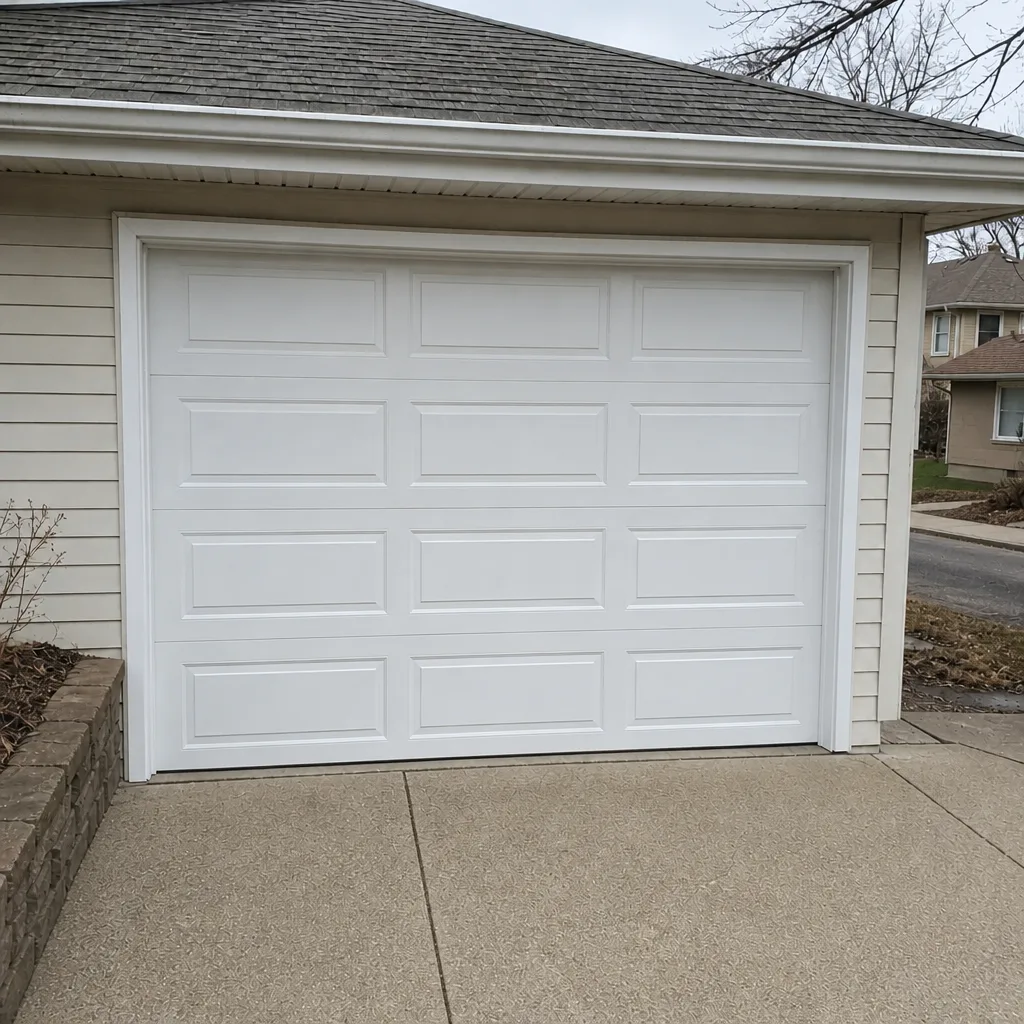
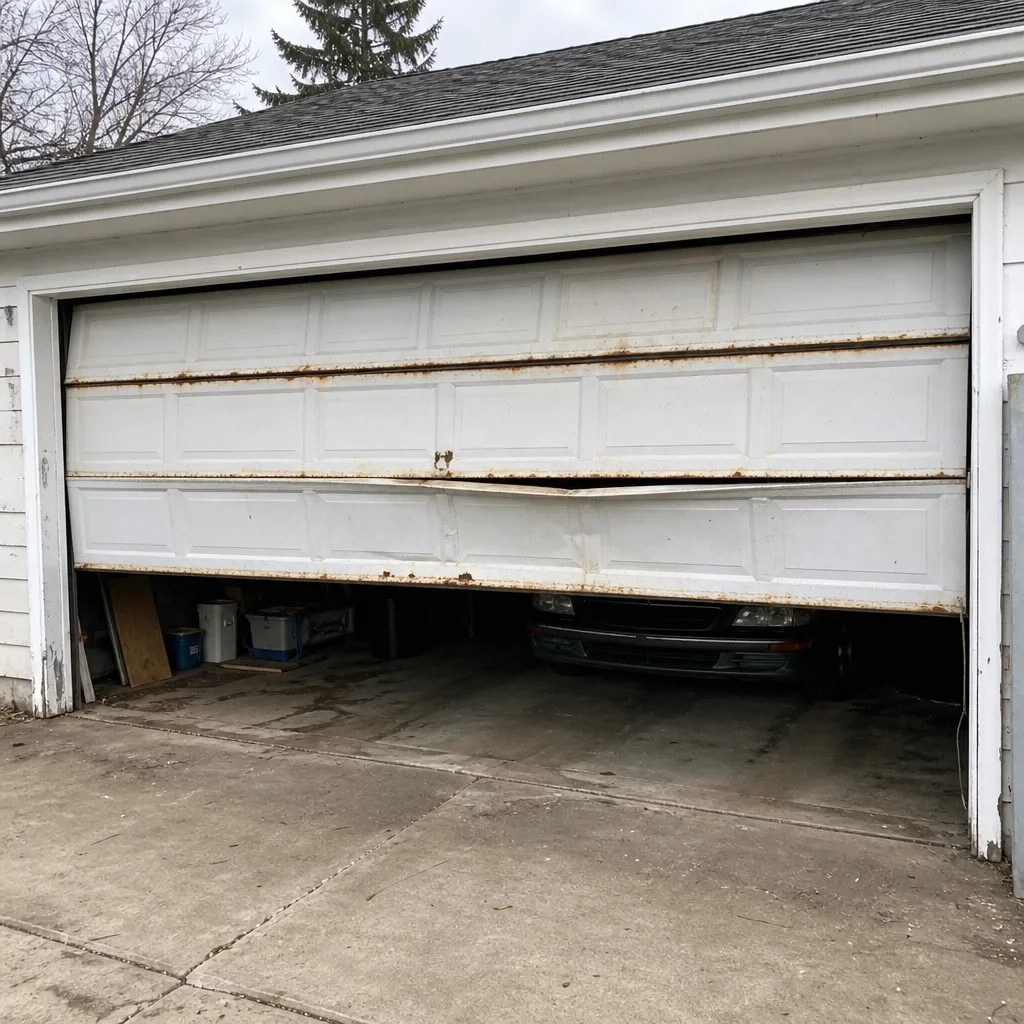
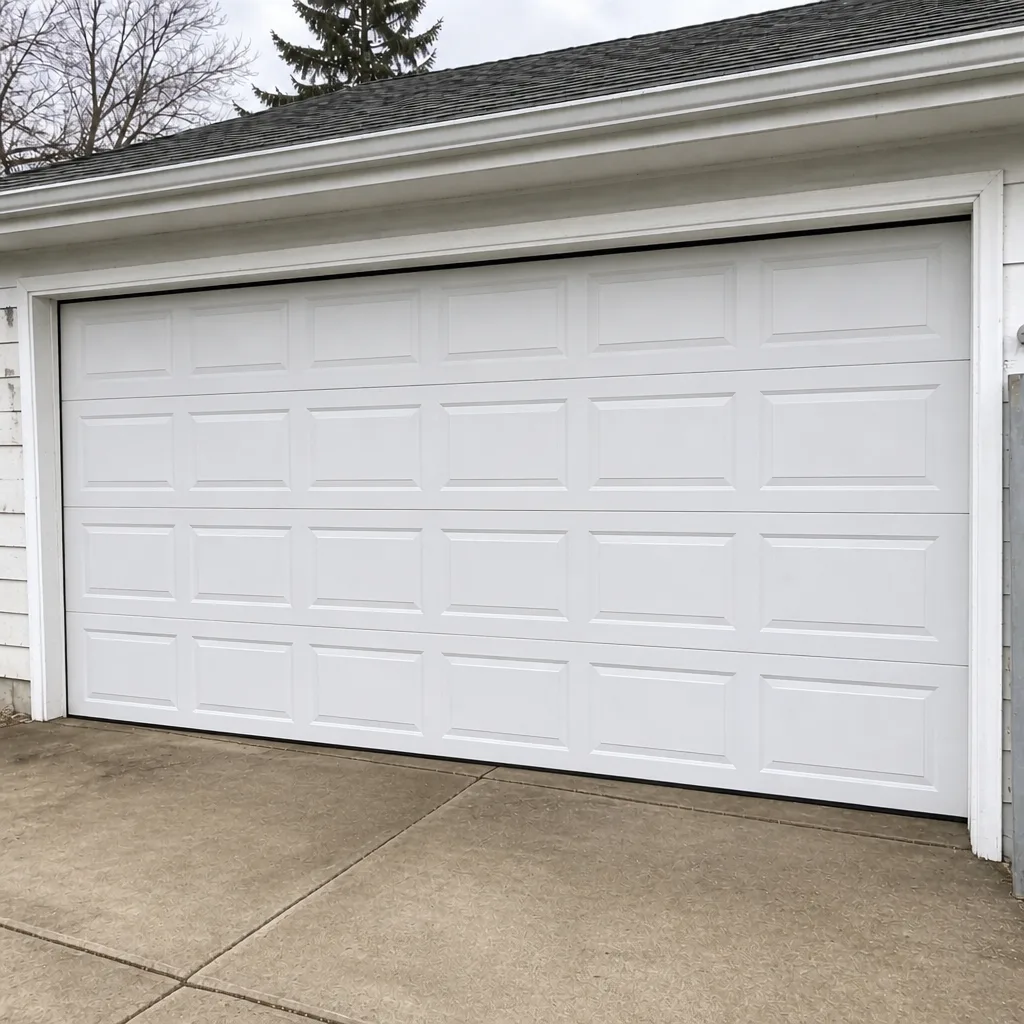
See the difference
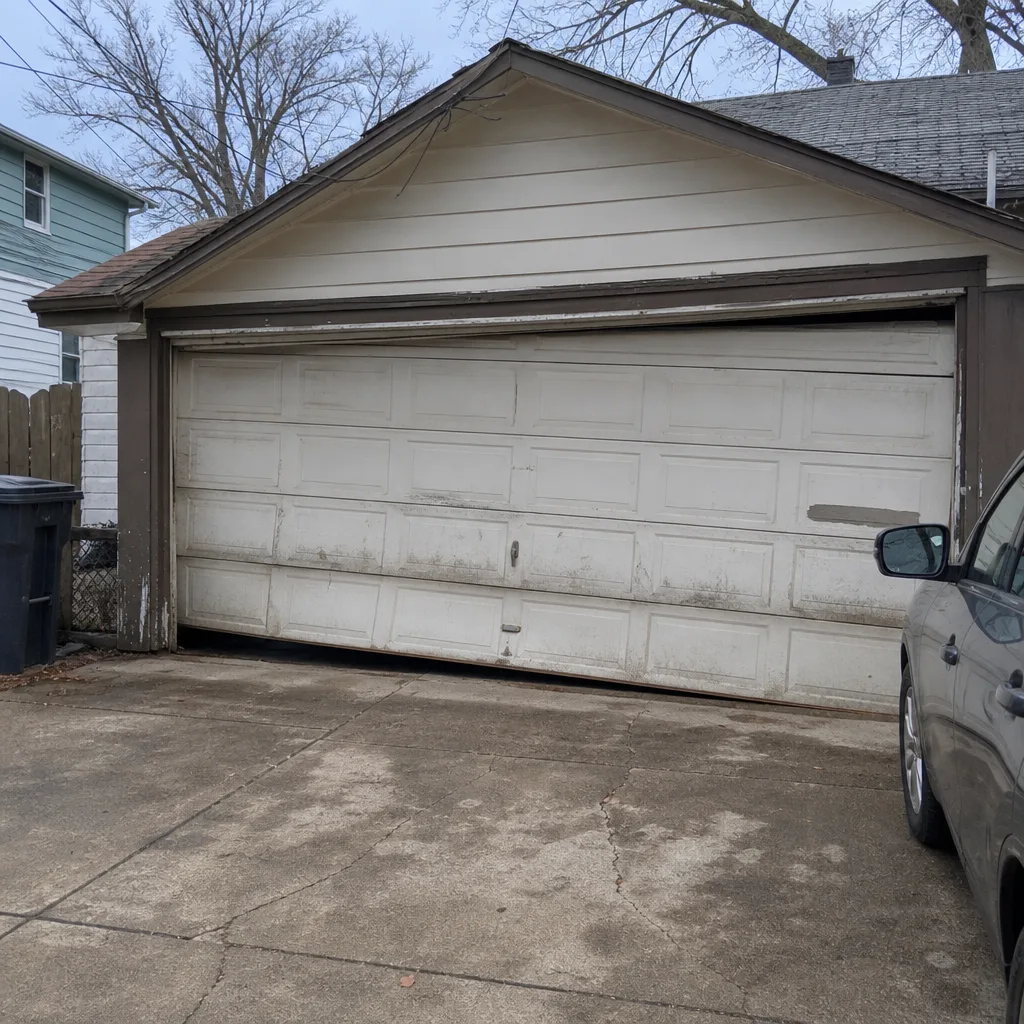 Before
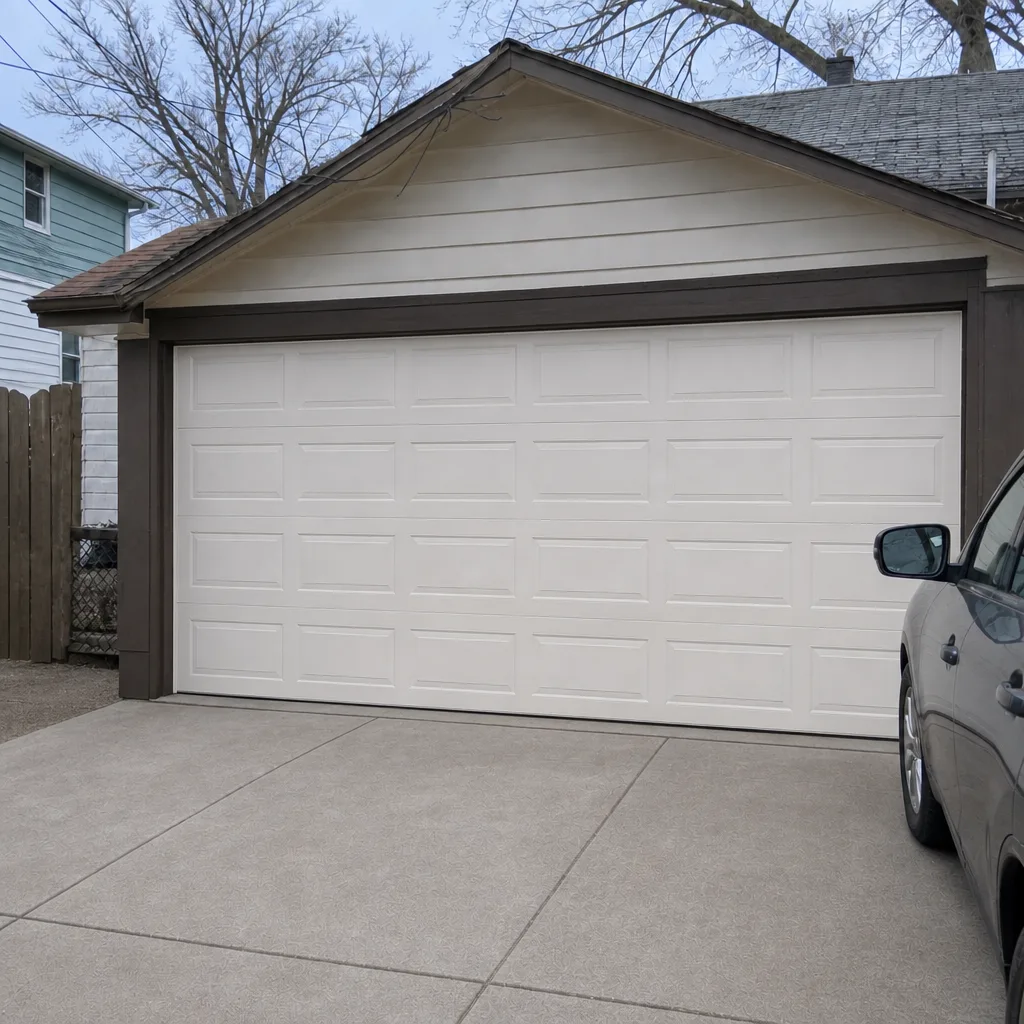 After
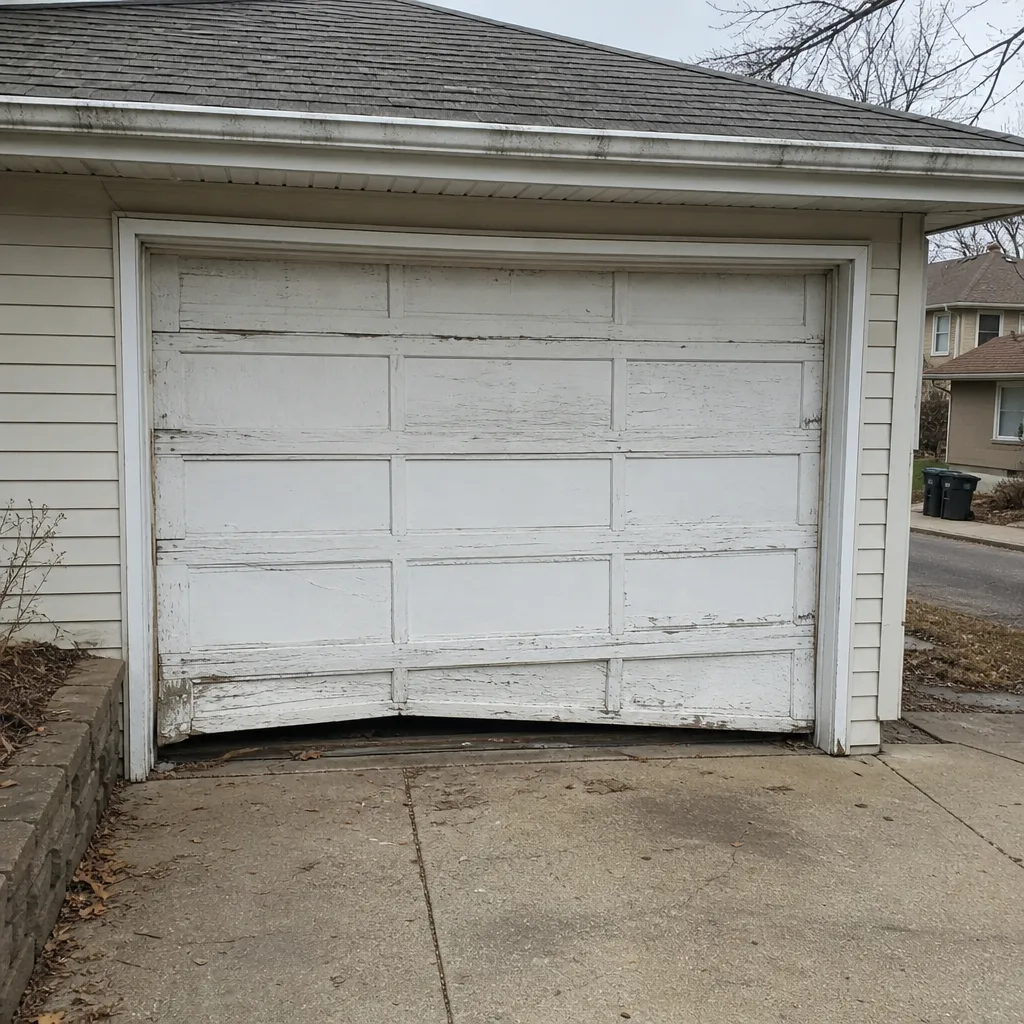 Before
 After
 Before
 After
When to Call a Professional
Some garage door work is genuinely dangerous, and the highest-risk category is the spring system. Torsion and extension springs store large amounts of energy – enough to cause serious injury if a spring, cable, or winding bar gets loose. Cable replacement carries similar risk. If your door is off its track, if a cable has snapped, or if the door drops without warning, stop and call someone who works on doors all day. Opener wiring and safety system installation are also worth professional hands, because an incorrectly wired or installed opener can fail the exact safety test that matters. At Garage Door Repair Como, we work on the brands Como homes actually have – LiftMaster, Chamberlain, Genie, Clopay, Amarr, Wayne Dalton, Craftsman, and Raynor – so the technician who shows up knows your system. Our technicians have up to 11 years of experience, and spring repair is a dedicated part of what we do, not a sideline. If you’re not sure whether your project requires a permit or just a repair, we’ll help you sort it out. Call (855) 514-8247 for a free estimate in Como.
Frequently Asked Questions
Often yes. Replacing a whole door system on an existing opening is usually treated as an installation rather than routine maintenance, and the City of St. Paul’s building department is the one to confirm it for your address. Replacing only a panel, spring, roller, or opener normally doesn’t need a permit. If you’re weighing repair against replacement, call (855) 514-8247 for a free estimate – the phone is answered 24/7, with fast dispatch from 7am to 7pm, Sunday through Friday.
Call St. Paul’s building department and ask for the permit history on your address. They’ll tell you what’s on record. If there’s no permit for the door, you’ll need to decide whether to correct it before a sale or a remodel, and a technician can assess whether the door is safe as-is. Call (855) 514-8247 for an assessment.
It means the door operates correctly, the safety features (auto-reverse and safety-reverse on a powered door) are functioning, and the install matches what the permit describes. Get those three right and the inspection is straightforward. If you’re unsure what’s required, call (855) 514-8247 for a free estimate – the written price is agreed before any work starts.
It can complicate a claim if the door causes property damage or injury. An insurer reviewing the loss may look at whether the installation was permitted and inspected. Keeping permit and inspection paperwork on file is the simplest protection. Call (855) 514-8247 with questions about bringing your door into compliance.
The local pros we connect you with are licensed and insured as their state requires. We’re a dedicated garage door company, not a general handyman service, and we work on your brand – LiftMaster, Chamberlain, Genie, Clopay, Amarr, Wayne Dalton, Craftsman, and Raynor. Call (855) 514-8247 for a free estimate.
Yes for emergency and repair calls. Same-day and emergency service are part of what we offer. We answer 24/7, and normal dispatch runs 7am to 7pm, Sunday through Friday. A call outside dispatch hours is booked into the next opening. Call (855) 514-8247 and the price is quoted and agreed before any work starts.
The Bottom Line
The garage door permit question in Como comes down to one distinction: maintenance is not the same as installation. Swapping a spring, a panel, or an opener is routine. Installing a new door system on an existing opening usually needs a permit from the City of St. Paul, and the work must meet the Minnesota State Building Code. The permit isn’t the hard part – the habit is. Confirm with the city before you order the door, keep the paperwork, and don’t leave an unpermitted door to surface during a home sale. If a spring or cable is involved, call a specialist rather than a generalist. And if you want help figuring out whether your door needs a repair or a replacement before you make the call to the city, we’re happy to look at it.
Contact Garage Door Repair Como for a free estimate in Como. Call (855) 514-8247. We answer 24/7. Fast dispatch from 7am to 7pm, Sunday through Friday.
Written by the team at Garage Door Repair Como.