
Last updated November 22, 2026
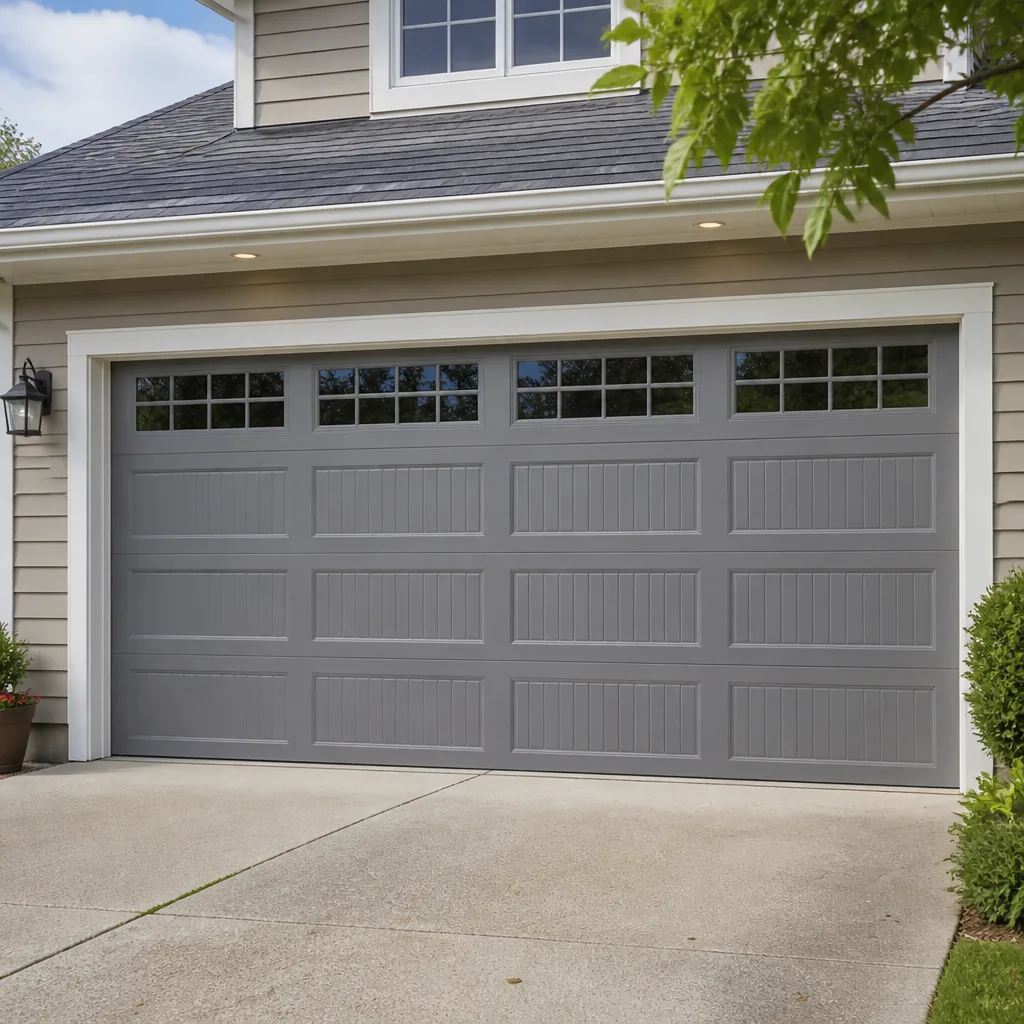 Raised-panel steel
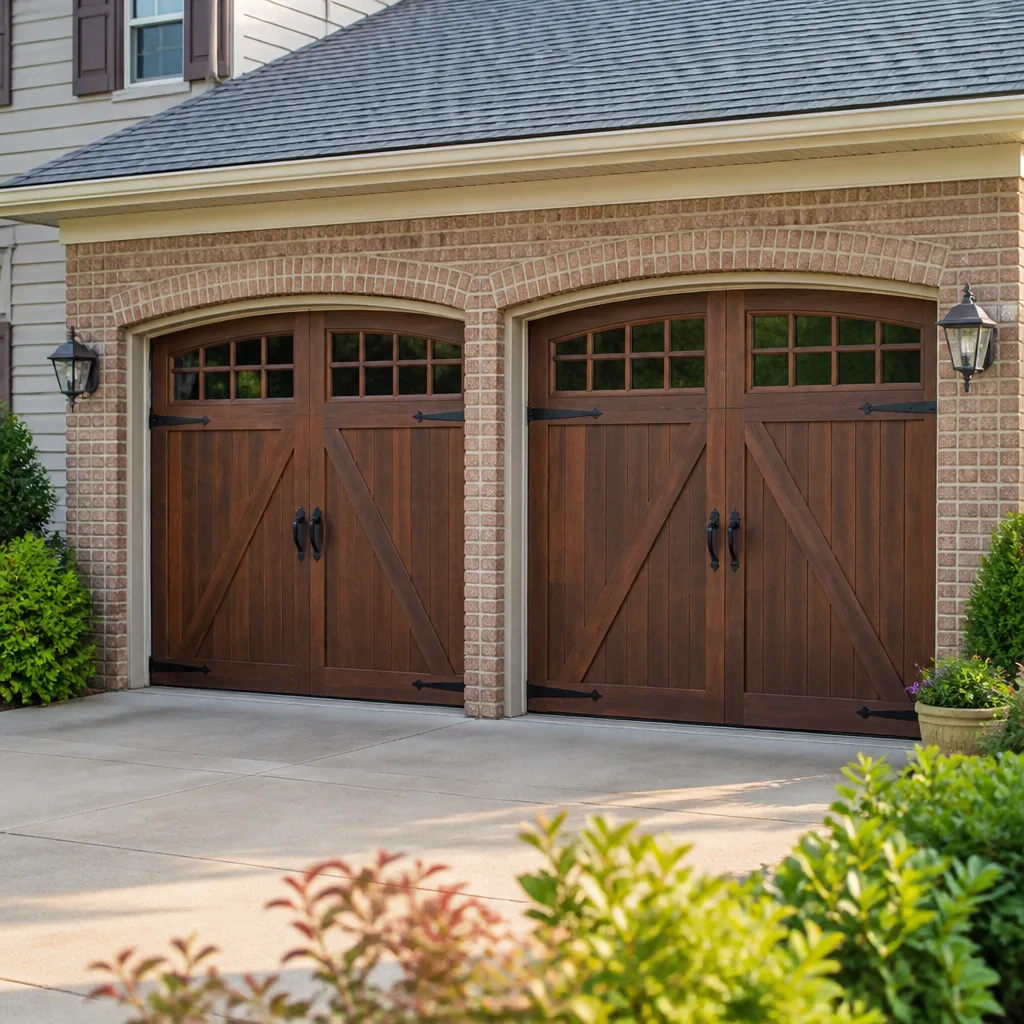 Carriage house
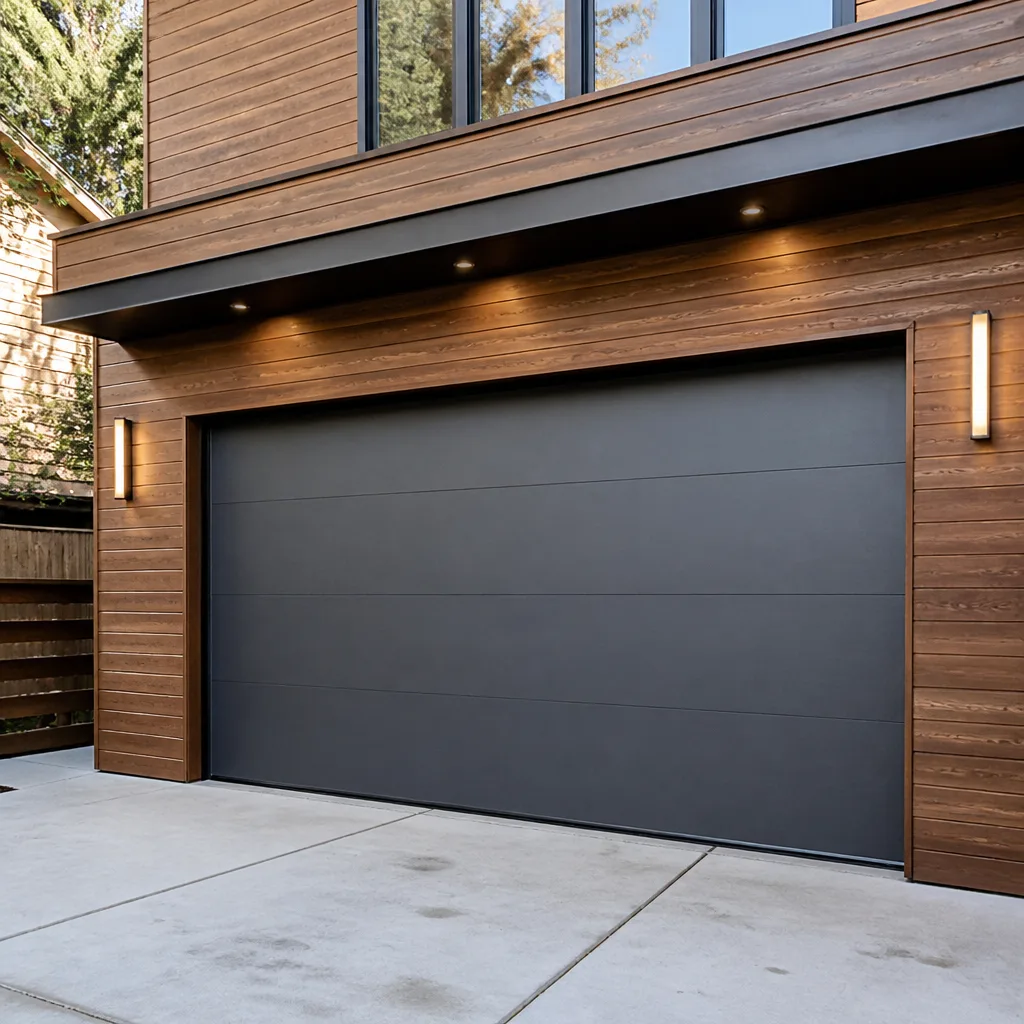 Modern flush
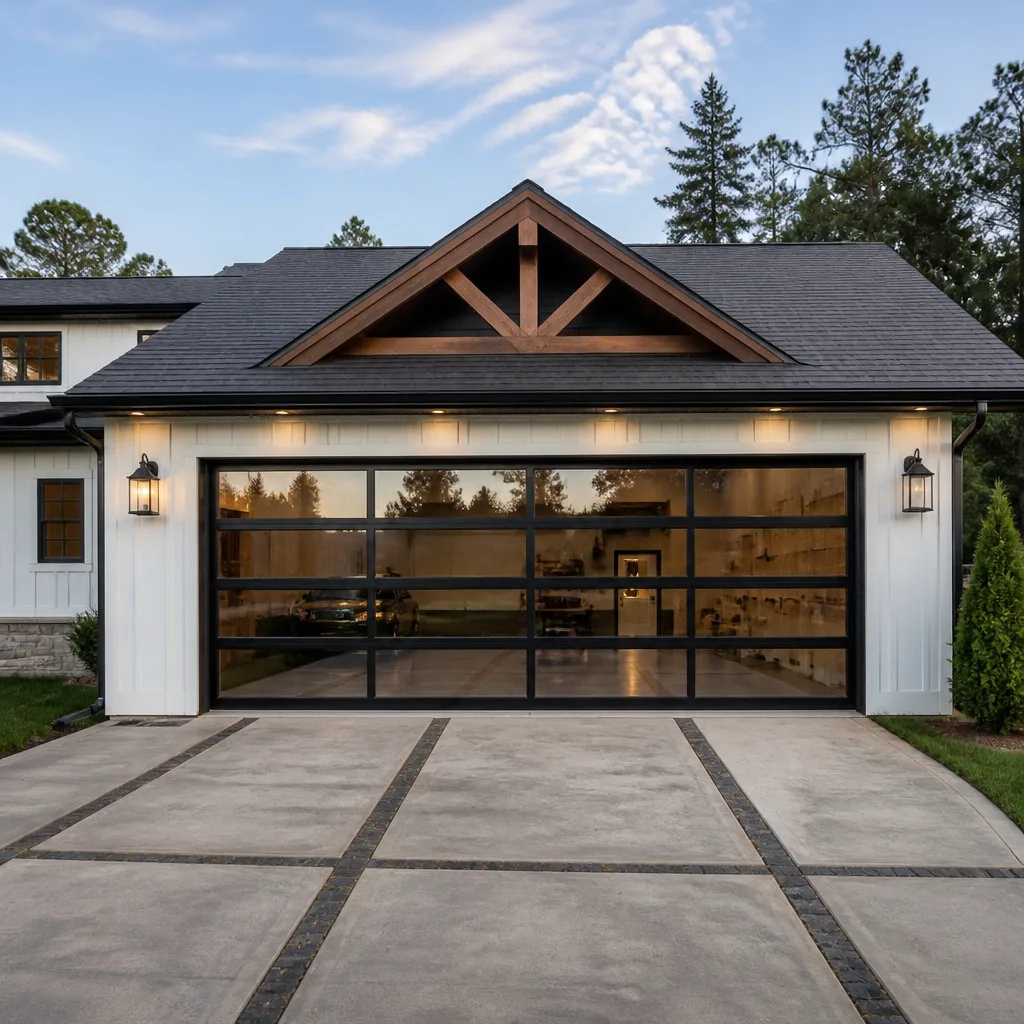 Full-view glass
 LiftMaster openers
 Chamberlain openers
Full 25-point door and opener safety check with every visit - springs, cables, rollers, tracks, and your LiftMaster or Chamberlain opener included
You get a price before we start. It does not change when the pro arrives.
Get your free estimateGarage Door Repair Maintenance Checklist for Como Homeowners
Most garage door failures aren’t sudden. They’re the cumulative result of skipped 10-minute checks that any Como homeowner can do without tools. The torsion spring that snaps in a Como garage in February didn’t lose its tension overnight. It lost it through months of ignored warning signs that take less time to spot than brewing a cup of coffee. Cold is the great accelerant here, and a Minnesota winter finds every weak point in a door system long before a warm climate would. What follows is a month-by-month maintenance checklist built around what actually breaks in Como, not a generic national template you’ll find copied across a hundred contractor sites. You’ll learn which lubricants belong on which parts, how to run a balance test safely, what a cable looks like sixty days before it fails, and what to write down after each inspection so a technician can spot a trend instead of just a symptom.
Quick Answer
A proper garage door maintenance routine in Como runs on a roughly monthly schedule of visual checks, lubrication, and two safe tests (balance and force resistance), with heavier attention to springs and cables before and after each Minnesota winter. Homeowners should never adjust torsion springs, cables, or the counterbalance system themselves; those are the parts that injure people. Your job is inspection and lubrication. Ours is the dangerous work, and garage door repair in Como covers everything on this list that goes beyond a visual check.
Styles & brands we work with
- Raised-panel steel
- Carriage house
- Modern flush
- Full-view glass
- LiftMaster openers
- Chamberlain openers
Table of Contents
- Why Como’s Seasons Break Different Parts of Your Door
- The Month-by-Month Checklist for Como Homeowners
- Lubricating the Right Parts with the Right Product
- How to Run a Safe Balance Test and Force-Resistance Test
- The Warning Signs That Mean a Cable or Spring Is Close to Failing
- What to Log After Every Inspection (and Why It Matters)
- Common Mistakes to Avoid
- When to Call a Professional
Why Como’s Seasons Break Different Parts of Your Door
A garage door in Como faces pressures that a door in a mild climate never sees. The swing between a humid Minnesota summer and a hard freeze reshapes the materials in your system in different ways across the year. Wood and composite panels swell in summer humidity and shrink in winter dry air, which shifts how the door seats against its frame. Steel doors are less affected by humidity but transmit cold straight into the metal hardware, and a torsion spring is a coil of steel that wants to contract and stiffen as temperatures drop.
The result is a predictable rhythm. Spring and fall are when most tension adjustments and balance problems appear, because the door is moving through moderate temperatures after a season of extremes. Deep winter is when weakened springs snap on the first cold morning after sitting under load for months. Early summer is when a door that ground its way through winter starts showing worn rollers, dry hinges, and a noisy track.
That rhythm is why a vague “check it twice a year” schedule doesn’t serve Como homeowners well. A door that gets a full inspection in October is far less likely to strand you in January. If you’ve ever wondered why so many breakdowns cluster around the coldest weeks, this is it: the failure was building long before the temperature dropped.
- Late fall: your most important inspection window. Cold is coming and tension problems surface now.
- Deep winter: the season when weakened springs and stiff rollers give out. Only checks here, no adjustments.
- Spring thaw: balance and alignment drift as humidity climbs. Expect to find the wear winter created.
- Summer: expansion, roller noise, and opener strain become the issues to watch.
The Month-by-Month Checklist for Como Homeowners
This is the schedule we’d give a Como homeowner who wants to stay ahead of failures. Everything here is safe to do yourself. Nothing requires loosening a spring, cable, or bracket. If a task feels beyond a careful visual check, stop and book a technician.
- Every month – the walk-around. With the door closed, look at both tracks from the floor to the ceiling. Are the brackets tight? Is anything bent? Run your eyes along the springs and cables and note the condition of each. Listen for any change in the sound the door makes when you open it.
- Every month – the balance test. (Full method below.) A door that won’t hold halfway up is losing counterbalance and needs professional attention.
- Every month – the force test. (Full method below.) This checks that the opener’s safety reversal is working, which matters more in winter when the door is stiff.
- October – the pre-winter deep check. This is the one appointment that pays for itself. Have a technician verify tension, cable condition, and roller wear before the first hard freeze. Our technicians have up to 11 years of experience reading exactly these signals.
- December through February – visual checks only. Metal is brittle in the cold. Don’t force a stiff door, don’t slam it, and don’t attempt any adjustment. If something fails, call for Garage Door Repair Como rather than fighting it in a freezing garage.
- March and April – the thaw check. Re-run the balance test. Inspect for rust on hinges and springs. Re-lubricate anything that got dry over winter.
- July – the summer check. Look at rollers for flat spots, listen for new squeaks, and check that the opener isn’t straining. Summer heat is when an aging opener’s electronics start to misbehave.
Lubricating the Right Parts with the Right Product
The single most common lubrication mistake we see in Como garages is a can of WD-40 aimed at the springs. It’s a well-meant habit, and it’s the wrong call every time. Standard WD-40 is a solvent and light penetrant, not a lasting metal lubricant. On a torsion spring it strips the factory coating and leaves bare steel that collects grit and rusts. The spring then fails faster than it would have if it had been left alone.
Use the right product on each component. A white lithium grease or a purpose-made garage door lubricant works well on springs, hinges, and the metal pivot points where the door articulates. A silicone spray is the better choice for the roller bearings and the channels of the track. The openers themselves have their own requirements; a chain-drive unit wants a small amount of chain lubricant, while a belt-drive needs nothing or only what the manufacturer calls for.
- Springs and hinges: white lithium grease or a dedicated garage door lubricant.
- Roller bearings and tracks: silicone spray.
- Chain-drive opener: the chain lubricant specified for that unit. Whether it’s a LiftMaster or a Chamberlain, follow the same rule: match the product to the model.
- Never: standard WD-40 on springs or cables. Please don’t.
Lubricate monthly in the warmer months and back off in deep winter; grease thickens in the cold and can make a door sluggish. When the spring eventually does need replacing, garage door spring repair should be a scheduled job, not a DIY one. A torsion spring stores enormous energy and can injure a person severely if it’s mishandled.
How to Run a Safe Balance Test and Force-Resistance Test
Both of these tests are safe and take under five minutes together. The key is that you never disconnect the system to perform them. You’re testing what’s already there, not taking the door apart. Do this with the opener disengaged using its manual release only if the manufacturer documents it clearly, and even then only with the door fully closed first.
- Disengage the opener carefully. With the door closed, pull the manual release handle. If the door is stiff or you’re unsure, skip this and simply watch the door open and close a few times for smoothness.
- Balance test. Lift the door by hand to about halfway open and let go. A well-balanced door stays put or drifts only slightly. If it slams down or rises on its own, the counterbalance is off and needs a professional.
- Re-engage the opener. Run the door closed.
- Force test. Place a roll of paper towels or a scrap of soft wood flat on the floor in the door’s path and run the door down using the remote. The door should reverse on contact. If it doesn’t, the opener’s force setting or the safety sensors need attention.
- Check the photo-eye sensors. Wave your foot through the beam while the door is closing. It should reverse immediately. Clear any cobwebs or debris from the lenses.
If the balance test fails, don’t try to fix tension yourself. Call in a pro. If the force test fails, that could be a sensor alignment issue, a limit setting on the opener, or a failing motor. That’s the territory of garage door opener repair, and the sooner you catch it, the cheaper the fix.
The Warning Signs That Mean a Cable or Spring Is Close to Failing
You don’t need special equipment to see a failing spring or lifting cable. You need to know what you’re looking at. These are the visual cues a technician scans for in seconds, and any Como homeowner can learn to spot them.
- A gap in the spring coil. A healthy torsion spring has evenly spaced coils. If you see a visible gap or the coil looks like it’s separating, the steel is fatigued. This one means contact a pro, not a repair.
- Frayed or kinked cable strands. Run your eyes along the cables from where they meet the spring to the bottom corners of the door. Broken individual wires sticking out like a wire brush, or a kink with a sharp bend, means the cable is at the end of its life. A single broken strand is a warning of what’s coming.
- Cable riding outside the drum. At the top of the door, the cable should be neatly wound on the drum. If it’s riding up on the edge or showing slack, it’s about to jump.
- Creaking or popping sounds from the spring. Wind the door up slowly and listen. A spring that pops or creaks under load is under stress.
- The door leaning or binding on one side. A door that hangs unevenly often means one cable is stretching or a spring is losing tension.
If you see any of these, treat the door as a safety concern and keep people and vehicles clear of it. For customers running Amarr or Raynor doors, the springs and cable drums behave in specific ways we know well, so describing what you see over the phone is often enough to understand the issue. Never try to reset a cable or adjust a spring yourself; these are the repairs that injure homeowners every year.
What to Log After Every Inspection (and Why It Matters)
Most homeowners do the right checks and then forget what they found. That’s a missed opportunity. If you write down a handful of details after each inspection, the next professional who sees your door will be looking at a pattern rather than a single snapshot. A technician can spot a slow, developing problem from a log that no amount of physical poking can reveal.
Keep a small notebook or note in your phone and record a few fields each time. It takes two minutes and it’s worth it.
- Date and the sound of the door. Note whether it opens smoothly or with a groan, and whether the sound is new.
- Balance test result. “Held at halfway,” “drifted down,” or “wouldn’t stay.”
- Force test result. “Reversed on contact” or “pushed through the towel.”
- Cable and spring appearance. Note fraying, gaps, or rust, and where on the system you see them.
- Anything lubricated. Which parts, and with what product.
- Any noise, wobble, or sticking. Describe it in your own words.
When you call us, you don’t need to know the technical terms. You can read out your log. “The door was smooth in October, drifted a little in November, and now it won’t hold at halfway” tells a technician a great deal, and it means the fix is targeted the first time. The same principle applies if the door ever needs replacement and you’re after garage door installation; a consistent log helps confirm whether a repair or a new door is the smarter spend.
Common Mistakes to Avoid
- Spraying WD-40 on the springs. It feels productive and it’s the opposite. The standard formula strips the protective coating and accelerates rust and failure. Use a proper garage door lubricant or white lithium grease.
- Ignoring a stiff door in deep winter. In Como’s cold, a door that suddenly feels heavier usually means a spring is losing tension. Forcing it open accelerates the damage and can snap the spring.
- Adjusting the torsion spring or cable yourself. This is the mistake that sends people to the emergency room. A wound torsion spring stores force that can open or break suddenly. Leave counterbalance work to a trained technician.
- Skipping the October inspection. Fall is the one time of year when a proactive check pays off most in our climate. A door that passes the pre-winter check is far more likely to survive the cold.
- Assuming a loud garage door is normal. Grinding and squeaking are wear signals, not just character. A door that sounds different than it did last month is telling you something.
- Not tracking changes over time. A single check tells you what’s wrong today. A log tells you what’s trending wrong. Skip the log and you lose the early warning.
- Letting one small problem become an emergency. A worn roller is a cheap fix. The damaged track and bent door that follow are not. Catching problems on the checklist is the whole point.
See the difference
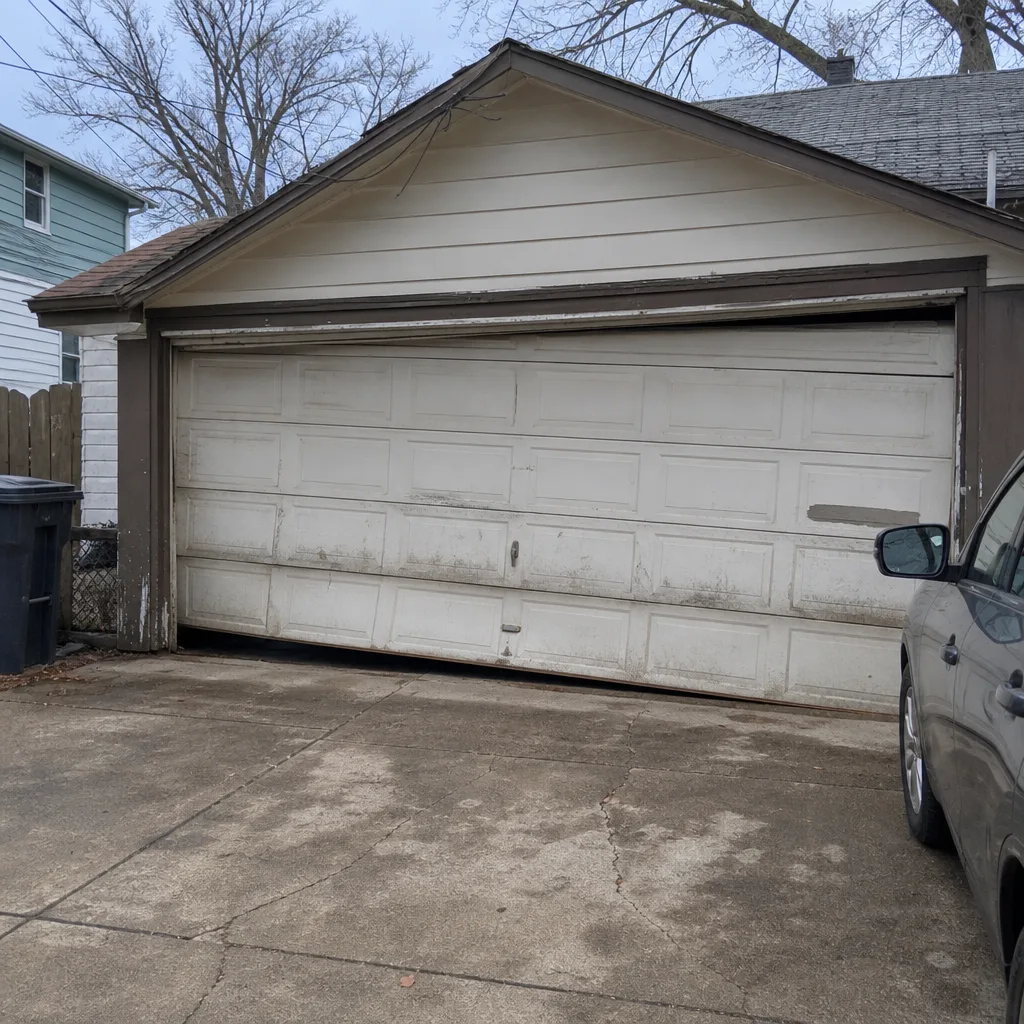 Before
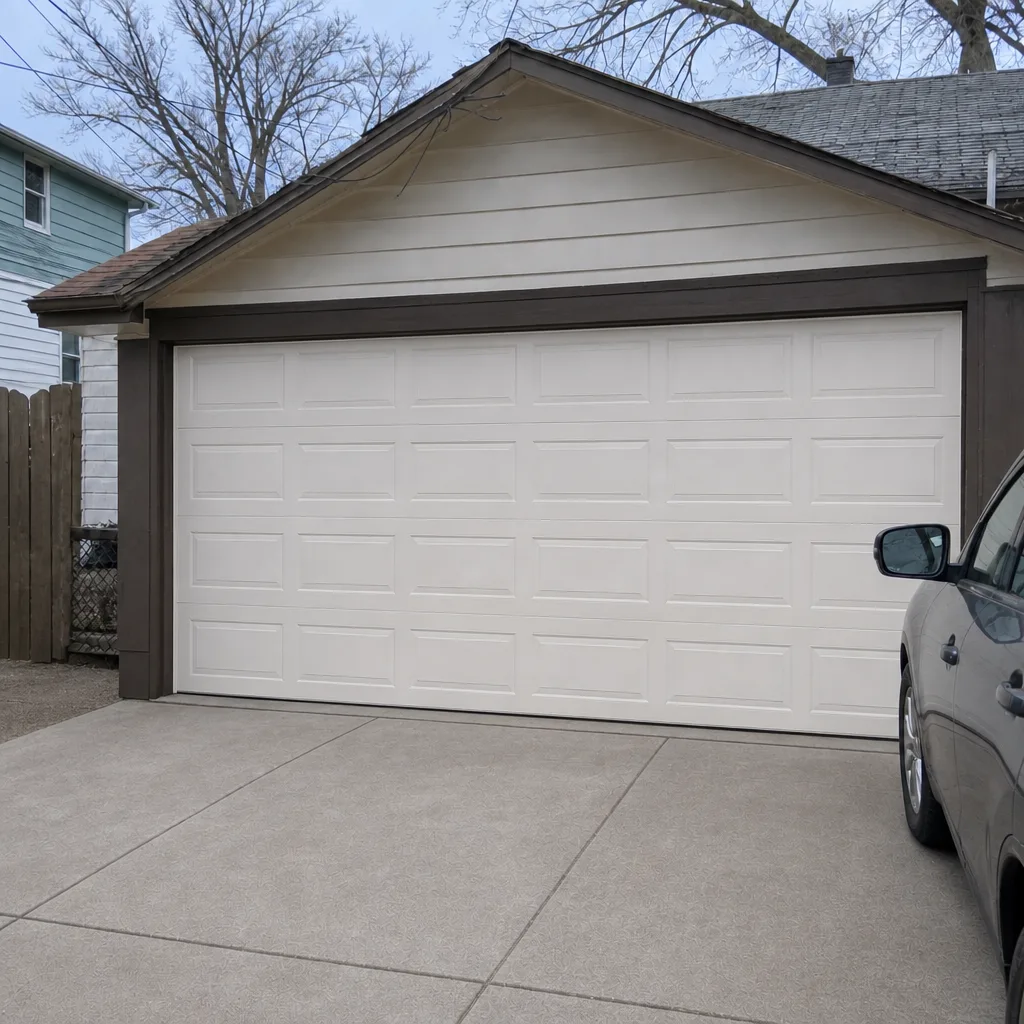 After
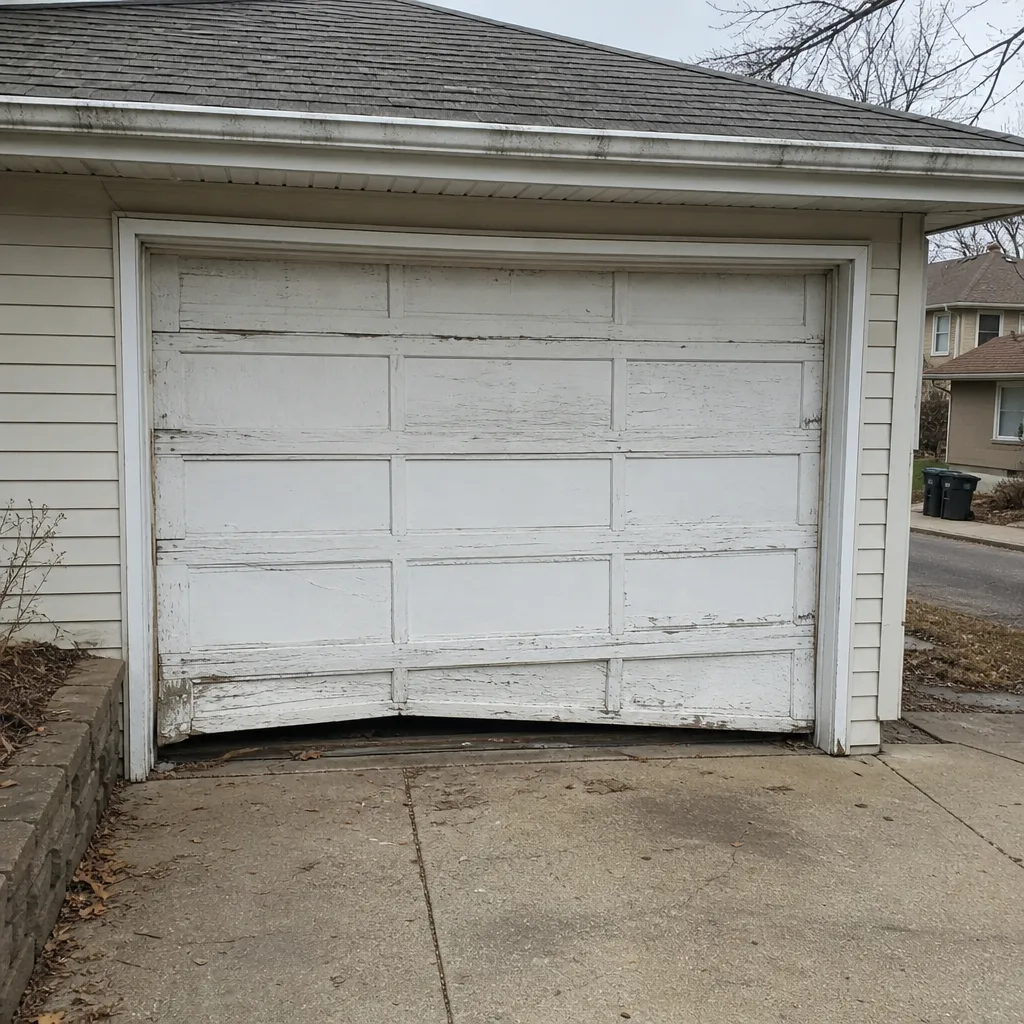 Before
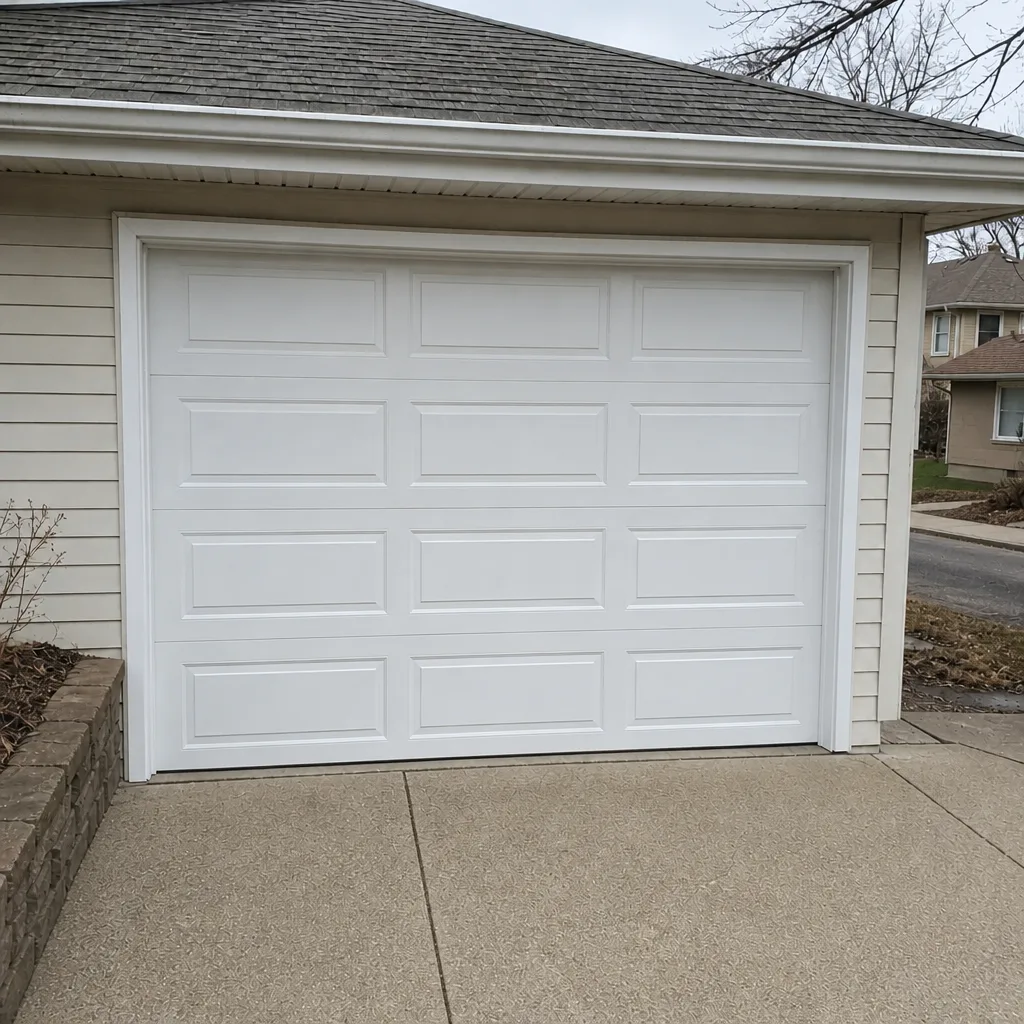 After
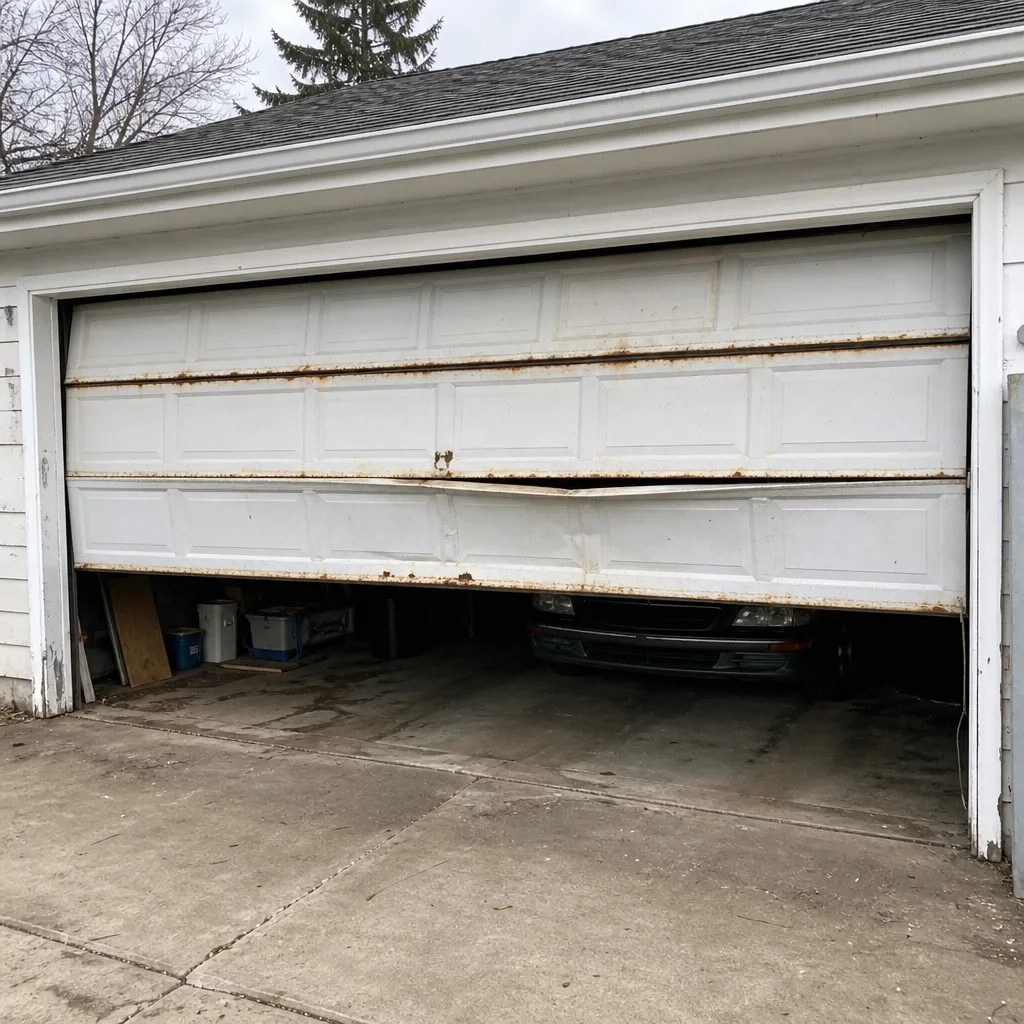 Before
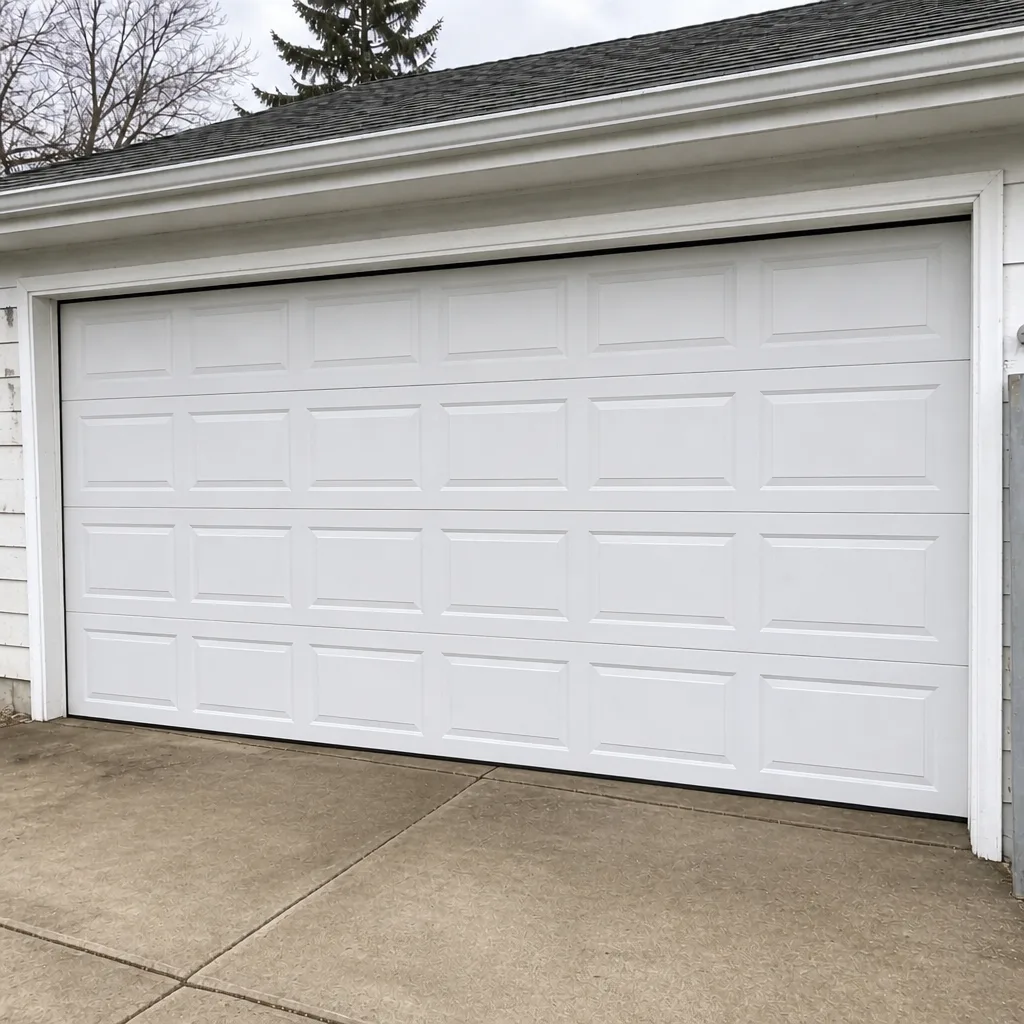 After
When to Call a Professional
Some tasks on this list belong to you, and some belong to a trained technician. If your spring shows a gap, your cable is frayed or kinked, your door won’t hold on the balance test, or your opener pushes through a force test without reversing, stop the checks and call. Anything that involves the counterbalance system, tension, or electrical work in the opener is a professional job, and living with a weakened door in Como risks more than a repair bill. If a spring gives out without warning, we offer emergency service for failures that won’t wait. Garage Door Repair Como offers free estimates in Como, and one call covers repair, opener work, springs, and installation. Call (855) 514-8247. We answer 24/7. Fast dispatch from 7am to 7pm, Sunday through Friday.
Frequently Asked Questions
Check it about once a month with a visual walk-around, a balance test, and a force test. Add a full professional inspection in October before the cold sets in, plus a lighter check in spring as temperatures climb. The monthly routine is safe to do yourself and takes about 10 minutes; the pre-winter inspection is the one worth booking.
Cold stiffens metal and increases the stress on an aging spring, so a spring already weakened by months of use is most likely to snap on the first cold morning. The failure builds through the season; the temperature is just the trigger. This is exactly why a fall inspection helps in Como.
No. Standard WD-40 is a solvent and light penetrant, not a lasting metal lubricant, and it strips the coating that protects the spring from rust. Use white lithium grease or a dedicated garage door lubricant on springs and hinges, and silicone spray on roller bearings and tracks.
The local pros we connect you with are state-licensed and insured as their state requires. Our technicians have up to 11 years of experience, and we work on eight major brands including Amarr, Wayne Dalton, Craftsman, and Raynor, so we know your specific equipment rather than guessing. Call (855) 514-8247 for a free estimate.
It shouldn’t, because the price is quoted and agreed before any work starts. We give a written estimate per job, and the written quote is the price. If we find something the estimate didn’t account for, we’ll talk to you before touching it. Call (855) 514-8247 to book a free estimate.
Don’t force it. A stiff door in cold weather often means a spring is weakening or the rollers are frozen, and forcing it can cause a sudden failure. Safely test whether the opener is running and the sensors are clear, then call for repair. We answer 24/7, and fast dispatch runs 7am to 7pm, Sunday through Friday.
The Bottom Line
Garage door failures in Como are almost always the end of a long process, not the start of one. A monthly walk-around, two safe tests, and the right lubricant on the right part will keep most doors working smoothly through a Minnesota winter. Add a professional inspection before the cold and a spring check after it, and you’ll catch the gaps, frays, and drifting balance that precede a breakdown. Log what you find each time so your technician can read the trend. When something on the list needs a trained hand, that’s what we’re here for. Call Garage Door Repair Como at (855) 514-8247 for a free estimate. We answer 24/7. Fast dispatch from 7am to 7pm, Sunday through Friday.
Written by the team at Garage Door Repair Como.