
Last updated November 22, 2026
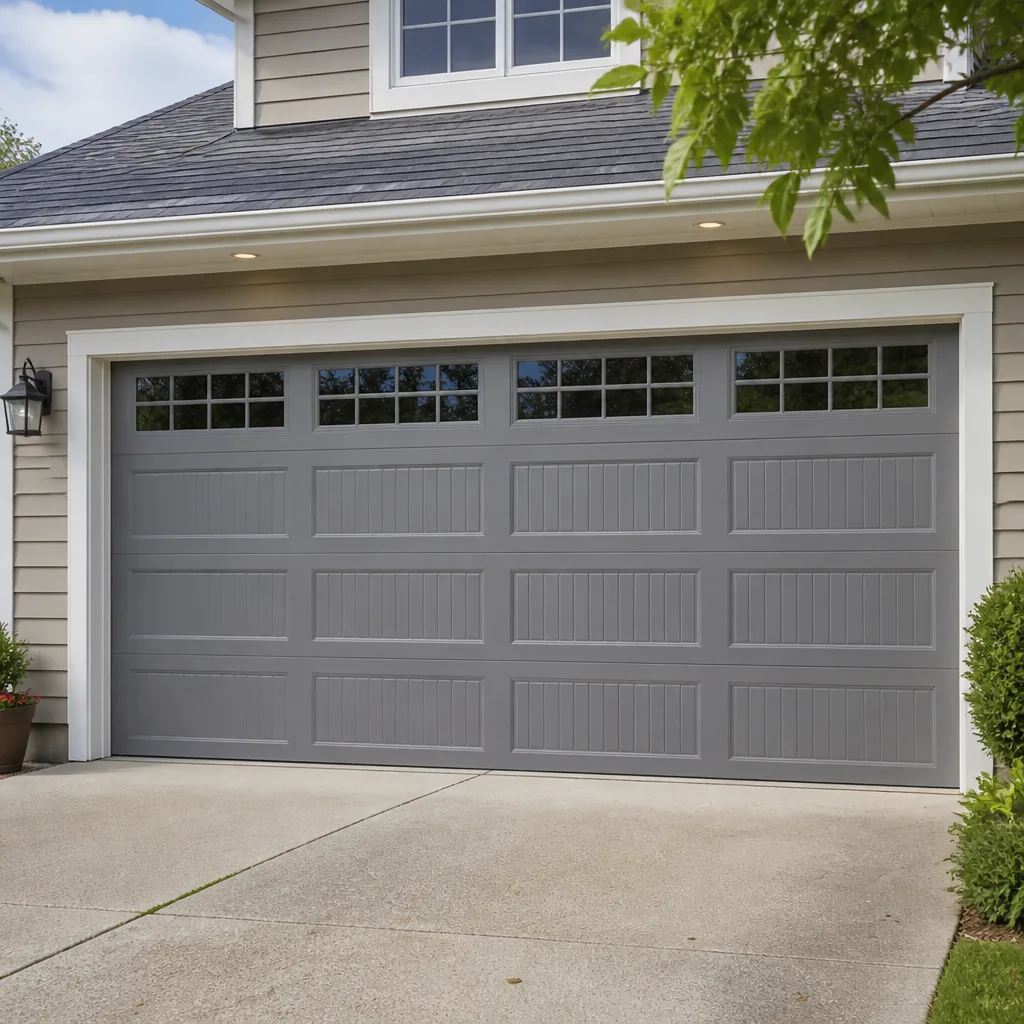 Raised-panel steel
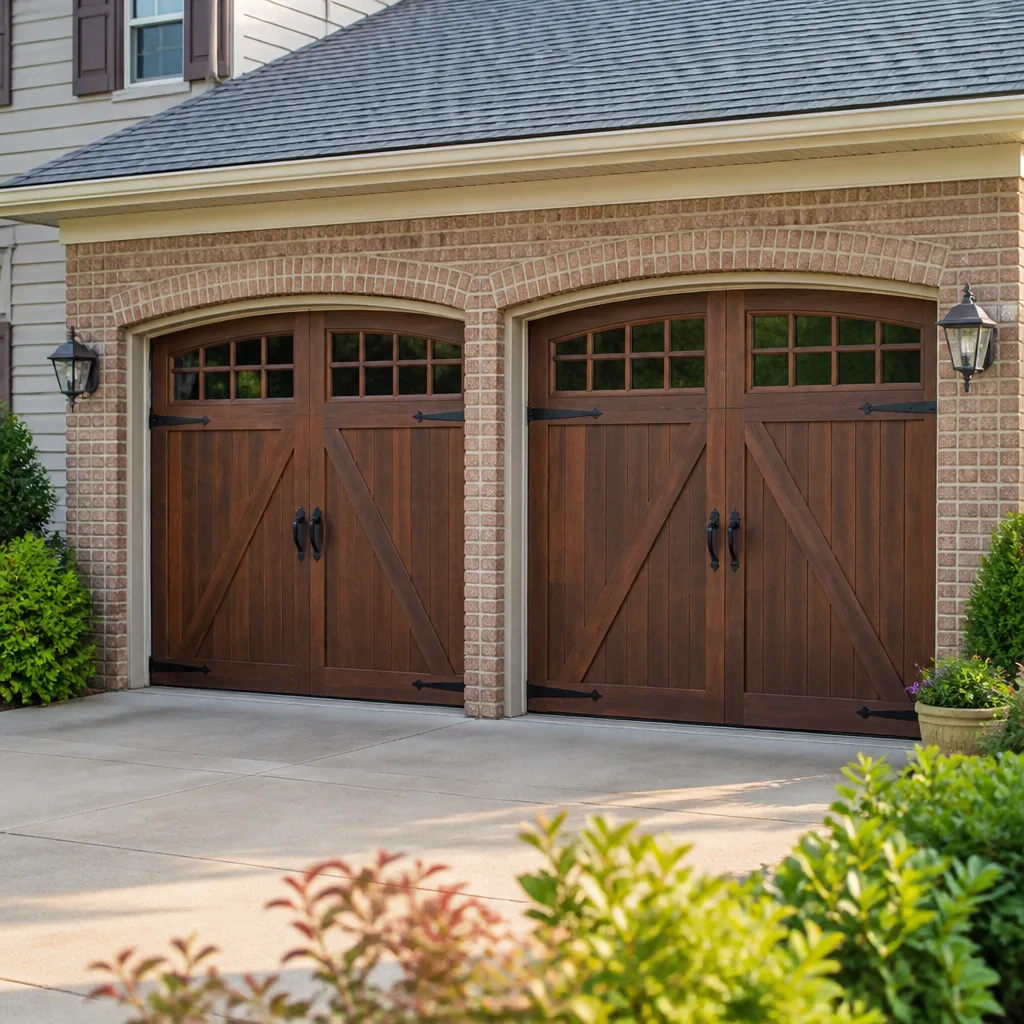 Carriage house
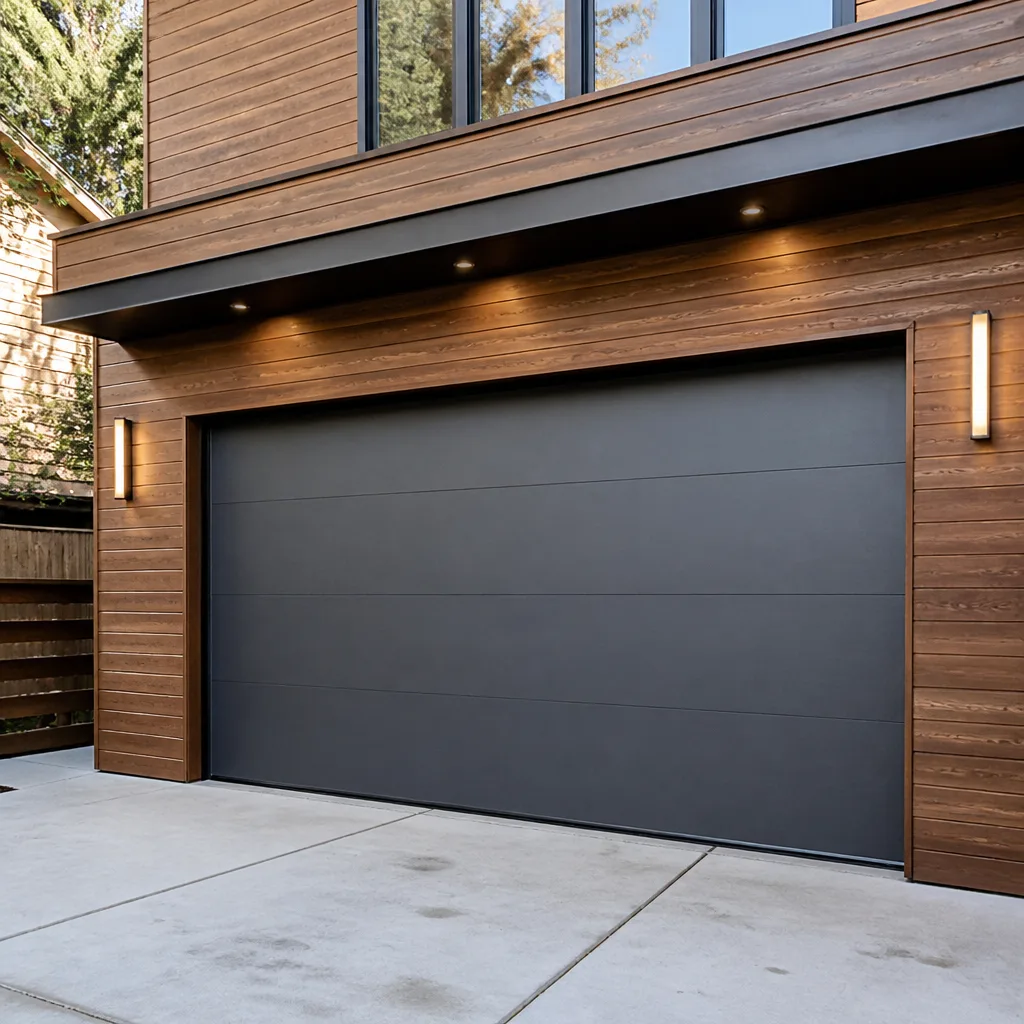 Modern flush
 Full-view glass
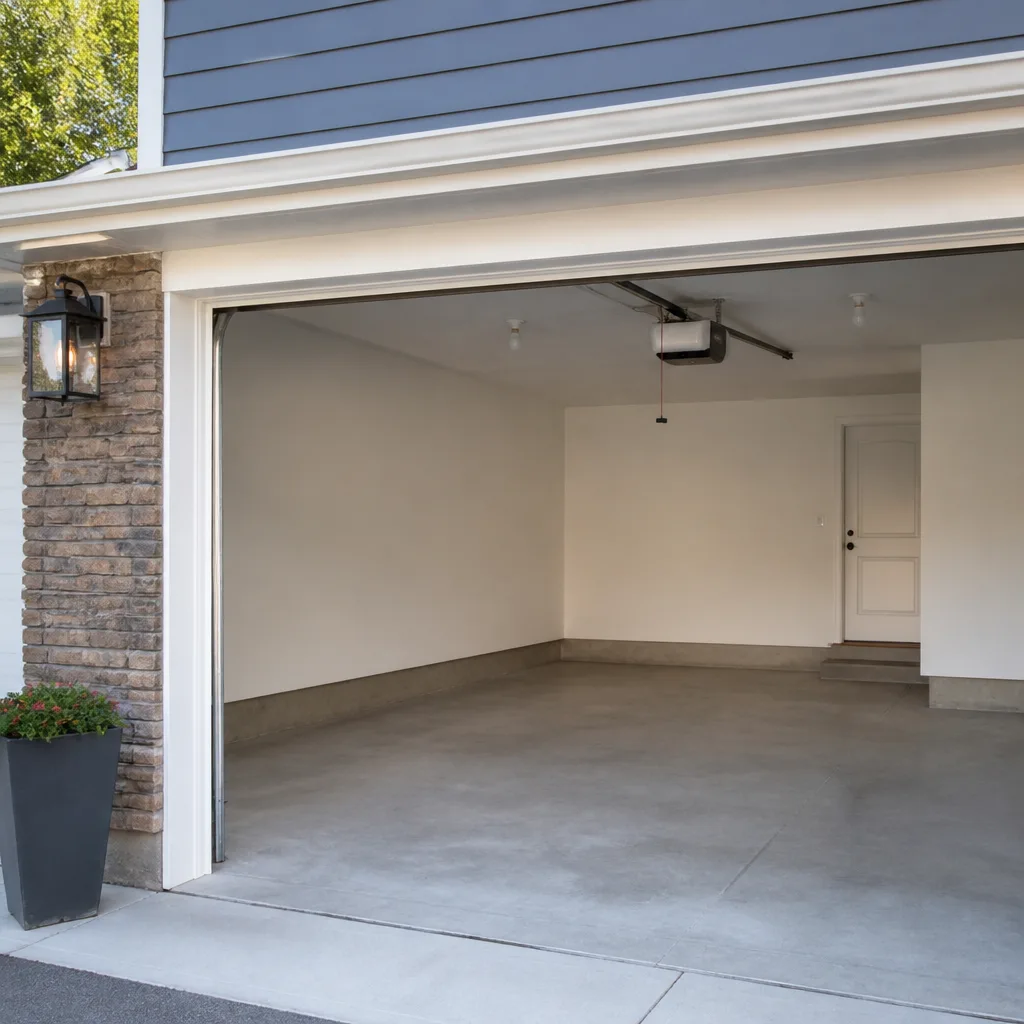 LiftMaster openers
 Chamberlain openers
Full 25-point door and opener safety check with every visit - springs, cables, rollers, tracks, and your LiftMaster or Chamberlain opener included
You get a price before we start. It does not change when the pro arrives.
Get your free estimateGarage Door Emergency Preparedness Guide for Como Homes
When your garage door springs snap at 10 PM on a Sunday in January and your car is inside, you have three options – and two of them will damage the door or the opener if you don’t know exactly what you’re doing. Most homeowners treat a garage door like an appliance: it works until it doesn’t, and then they panic. In Como, the combination of hard winters, older housing stock, and doors that get cycled four times a day means failure isn’t a matter of if but when. This guide is built for the moment it’s already happening. We’ll walk through manual release for every common opener type, how to secure a stuck door, what to do when a spring snaps mid-operation, and the two parts and one tool that make a Como garage emergency-ready before anything breaks.
Quick Answer
When a Como garage door fails, the safest first move is to stop operating it entirely and pull the manual release cord only if you’ve confirmed the door is fully down and the springs are intact. If a spring has snapped, never lift the door by hand or force the opener – call for emergency service at (855) 514-8247, where we answer 24/7 with fast dispatch from 7am to 7pm, Sunday through Friday. Keep the door secured, keep vehicles out of the path, and let a technician handle the spring, cable, or opener before the failure escalates into panel or track damage.
Styles & brands we work with
- Raised-panel steel
- Carriage house
- Modern flush
- Full-view glass
- LiftMaster openers
- Chamberlain openers
Table of Contents
- What Counts as a Garage Door Emergency in Como?
- How Do You Manually Release a Garage Door?
- What Do You Do When the Power Goes Out?
- What Happens When a Spring Snaps Mid-Operation?
- How Do You Temporarily Secure an Open or Stuck Door?
- Winter-Specific Failures in Como
- The Emergency-Ready Garage Kit
- How Do You Prepare Your Door Before the Emergency?
What Counts as a Garage Door Emergency in Como?
Not every garage door problem is an emergency, but in Como the ones that are tend to share a few traits: the door is stuck open or stuck shut, a spring or cable has visibly failed, the opener is dead or making a grinding noise, or someone is trapped inside. Those are the situations where waiting until Monday costs you more than a service call – and in a February cold snap, a jammed door can mean an exposed garage, a frozen pipe risk, and a car you can’t move.
Here’s how we sort emergencies from next-day repairs, and it’s the sorting we walk every caller through on the phone:
- True emergency: visibly broken spring, snapped cable, door off its track, door stuck open with the house exposed, or a vehicle trapped inside.
- Same-day: opener won’t lift the door, remote stopped working across the board, door reverses immediately on close, loud grinding during travel.
- Scheduled: noisy rollers, worn weather seal, cosmetic panel damage, opener keypad programming, year-old batteries in remotes.
In our experience, the callers who end up with the least damage are the ones who recognize a real emergency early and stop pressing the button. Every extra cycle on a broken spring pushes the door’s weight onto the remaining spring, the cables, or the opener’s gear, and what was a spring repair can quickly become a track replacement or a new opener.
If you’re unsure which category your failure falls into, call (855) 514-8247 and describe what you’re seeing and hearing. We answer 24/7 and will tell you whether it can wait for a scheduled visit or needs a technician today.
How Do You Manually Release a Garage Door?
The manual release exists so you can open the door without the opener during a power outage or after an opener failure – but it only works safely when the springs are intact and the door is fully closed. Pulling the release on a door that’s already halfway up, or one with a snapped spring, can drop the door and damage panels, tracks, or the opener’s rail. With that understood, here’s how the release works on the two systems you’ll find in Como garages.
Rail-drive openers (belt, chain, screw): the release cord hangs from a trolley on the ceiling rail. It’s usually red or has a red handle.
- Confirm the door is fully closed and the springs look intact – no gap in the coil, no hanging cable.
- Pull the release cord straight down once, firmly. You should hear a click as the trolley disengages from the arm.
- Lift the door slowly by hand. It should feel balanced and stay put at about halfway. If it’s heavier than usual, stop and close it – that’s a spring problem.
- When the opener is usable again, re-engage the trolley by pulling the cord toward the door (or following the maker’s instruction), then run the opener once to confirm it reconnects.
Wall-mount (jackshaft) openers: these mount beside the door and drive the torsion bar directly. They typically release differently – often via a lever or a specific procedure in the manual rather than a hanging cord. On Genie and LiftMaster wall-mount units, the release is a small lever on the opener housing. If you’re not sure, don’t guess: call us and we’ll talk you through your specific unit.
Whatever the opener, never pull the release on an unbalanced door and never force the door up if it feels heavier than it used to. If your opener is failing before it ever gets to this point, our garage door opener repair team can diagnose it before a manual release is ever needed.
What Do You Do When the Power Goes Out?
In a Como power outage, your garage door is dead until either the power returns or you release the opener manually. The key is to know three things: whether your opener has a battery backup, what the manual release does on your model, and what you should never force when the opener has no power. That last one matters more than the first two – a dead opener that gets forced usually turns into a stripped gear and a service call you didn’t need.
Here’s the outage protocol, in order:
- Check for battery backup. Many modern LiftMaster and Chamberlain openers sold in the last several years ship with an integrated battery that can raise and lower the door a limited number of times during an outage. Look for a battery icon on the wall control or a battery compartment on the opener head.
- If there’s no battery backup, switch the opener off at the wall switch to prevent a surprise cycle when power returns, then use the manual release to open the door if you need access.
- Never pull or push the door while the opener is engaged and the power is off. The opener’s gear is locked and the force can strip it, bend the arm, or snap a cable.
- When power returns, cycle the door once with the wall button and watch it. If it stutters or reverses, stop and schedule a check.
If you don’t know whether your opener has battery backup, the panel label or the manual will tell you. When in doubt, call (855) 514-8247 – we’re happy to help you identify the model before you touch anything. A power outage can also expose a door that’s been running on borrowed time; if your opener has been sluggish or loud for months, budget for a service visit now rather than at the next outage.
What Happens When a Spring Snaps Mid-Operation?
When a spring snaps mid-operation, the door loses its counterbalance and suddenly carries 150 pounds or more on the cables, the opener, or your hands. The correct response is to stop, lower the door only if it’s safe to do so without lifting it, and call a professional. Manually lifting a door with a snapped spring is dangerous: the remaining spring, the cables, and the door’s own weight can all create an injury risk in the wrong conditions, and forcing the door up can send panels off track.
A torsion spring failure is usually loud – a sharp bang from above the door – followed by a door that either drops hard or refuses to lift. You may also see a clear gap in the coil above the door or hear the opener strain and stop. Extension springs on older doors can snap with a similar bang and whip toward the ceiling.
What to do next, in order:
- Stop operating the door. Press the wall button once to leave it at rest; if it’s already down, leave it down.
- Keep everyone, especially kids and pets, away from the door. Do not attempt to lift, prop, or shim it.
- Do not disconnect the opener to “try it by hand” – with a broken spring, that’s the exact situation the safety warning is about.
- Call (855) 514-8247. We’ll confirm spring status over the phone from what you describe and send a technician if it’s a real spring failure.
- Leave the vehicles where they are unless one is trapped and a technician advises moving it.
Spring repair is one of the most commonly botched garage door repairs by general handymen, which is why we treat it as a dedicated service rather than a side item. Our technicians have up to 11 years of experience and carry brand-specific knowledge for Genie, Clopay, Amarr, Wayne Dalton, and four other major manufacturers. If the spring is what failed, our garage door repair team will confirm what else was stressed before quoting the job.
How Do You Temporarily Secure an Open or Stuck Door?
If you’re facing an open or stuck garage door and a technician can’t reach you immediately, your job is to keep the door still, keep it from falling, and keep the house secured. That means you want the door held in place – not moved – until a professional arrives. The goal isn’t a fix; it’s a safe holding pattern.
Here’s how we coach callers through it:
- A door stuck fully up: lower it by hand only if it moves smoothly and the springs look intact. If it doesn’t, don’t force it – instead, block access from inside the house and close the interior door that leads to the garage.
- A door stuck fully down: leave it down. It’s the safest position for the door, and it keeps the house sealed. Park in the driveway, not across the apron if you can avoid it.
- A door stuck partway: do not walk under it. Prop nothing under the door (a prop can slip and cause panels to buckle), but keep everyone out of the garage until a technician has assessed the balance.
- Security when the door will be open for a while: lock the passage door between the house and the garage, move tools and valuables inside, and let a neighbor know the door is down for repair.
One thing we see often in Como garages: someone props a stuck door with a broom and it slips hours later. A door that’s held by anything other than its own springs and opener is one vibration away from coming down. If you need to be away from the house with a stuck door, call us first and we’ll advise whether to leave it down.
Winter-Specific Failures in Como
Como winters bring the specific failures you only see when temperatures stay below freezing for weeks. The cold itself isn’t the problem; it’s what the cold does to metal, seals, and the sand and salt tracked up your driveway. Being ready for the winter failure modes matters more here than being ready for the summer ones, because a January failure often leaves you with fewer options and less time.
What we see most in Como during a hard winter:
- Stiff torsion spring performance. Cold steel is less forgiving. A spring near the end of its life is more likely to fail on the coldest days of the year than on a mild one.
- Frozen or stiff weather seal. A rubber bottom seal that’s stuck to the slab will pull the door’s balance off and can trip the opener’s safety reverse. If your door reverses on close in January, the seal is often the reason.
- Track ice. Meltwater from a car can refreeze in the vertical tracks. The door rides rough, and the opener grinds trying to lift it. Never chip ice out of the track with a metal tool – use warm water and call us if the door won’t travel.
- Photocell fog and frost. The safety sensors at the bottom of the track get frosted and stop the door from closing. Wipe them clean before assuming the opener is dead.
- Garage door opener stress. A cold door with a weakened spring is heavier than usual, and the opener absorbs that extra load. If your opener has been laboring, schedule a check before the next cold snap.
A pre-winter check on your springs, seal, and track is the single most useful thing you can schedule in October or early November. It’s a routine visit, not an emergency, and it’s cheaper and easier than a February call.
The Emergency-Ready Garage Kit
You don’t need a full toolbox to survive a garage door emergency. You need two parts and one tool, kept on a shelf in the garage where you can reach them without moving the car. Setting this up now takes ten minutes and saves hours later.
- A spare set of opener remote batteries. The correct size is printed on the back of the remote or in your opener’s manual. Keep them in the original packaging with the size written on top.
- A spare wall-control battery or a wired backup. If your wall control takes coin cells, a spare is worth having – a dead wall control looks exactly like a dead opener to most homeowners.
- A handheld flashlight or headlamp. If the power fails after dark, you’ll be working around a heavy door. A headlamp keeps both hands free.
That’s the kit. Beyond that, the two things worth knowing are your opener’s manual release procedure (wall-mount openers differ from rail-drive) and whether your opener has battery backup. We’ve walked Como callers through all of these on the phone during an outage, and the homeowners who already had the batteries and the flashlight were back in the garage in minutes. The ones who spent twenty minutes looking for a screwdriver ended up making the situation worse.
How Do You Prepare Your Door Before the Emergency?
The best garage door emergency is the one you avoided. A door that’s balanced, lubricated, and running an opener with fresh batteries has far fewer failure points than one that’s been ignored for years. Preparing your Como door is mostly a once-a-year routine plus a call every few years when something starts to feel different.
Here’s the schedule we recommend:
- Twice a year: run the safety reverse test. Place a 2×4 flat on the ground under the door, close it, and confirm it reverses on contact. Wipe the photocell lenses.
- Once a year: lubricate the hinges, rollers, and torsion bar with a garage-door-specific lubricant. Listen for a grinding or popping sound as the door travels.
- Whenever you notice a change: a door that’s louder than it used to be, slower to lift, or reversing on close is telling you something. Book a check before the change becomes a failure.
- Before winter: inspect the bottom seal, clear the tracks of debris, and test the door by hand (with the opener released, springs intact) to confirm the balance.
When it’s time for a full replacement rather than a repair, a scheduled garage door installation is a much better day than a forced one. Sorting out the difference starts with a free estimate, not a purchase.
Common Mistakes to Avoid
- Forcing the opener after a spring snaps. The opener’s gear takes the load the spring used to carry. You’ll turn a spring repair into a spring-plus-opener job in a couple of presses.
- Pulling the manual release on a stuck-open door. In a Como garage, this often ends with a dropped door and bent panels. Release only when the door is fully down and the springs are intact.
- Propping a stuck door with a broom or a ladder. A prop is one vibration away from slipping. If the door won’t stay, it stays down until a technician arrives.
- Assuming the opener is dead when it’s the wall control or remote. Dead batteries in the wall control look identical to a dead opener. Swap the batteries before you call.
- Chipping ice out of a track with a screwdriver. A gouged track will cause the door to bind every cycle. Warm water and patience are the correct tools.
- Calling a handyman for a spring repair. Spring repair is dangerous and it’s where generalists most often get the sizing or winding wrong. Call a specialist.
- Skipping the pre-winter check. In Como, the coldest days of the year hit doors that were already on their way out. A fall check catches most of them.
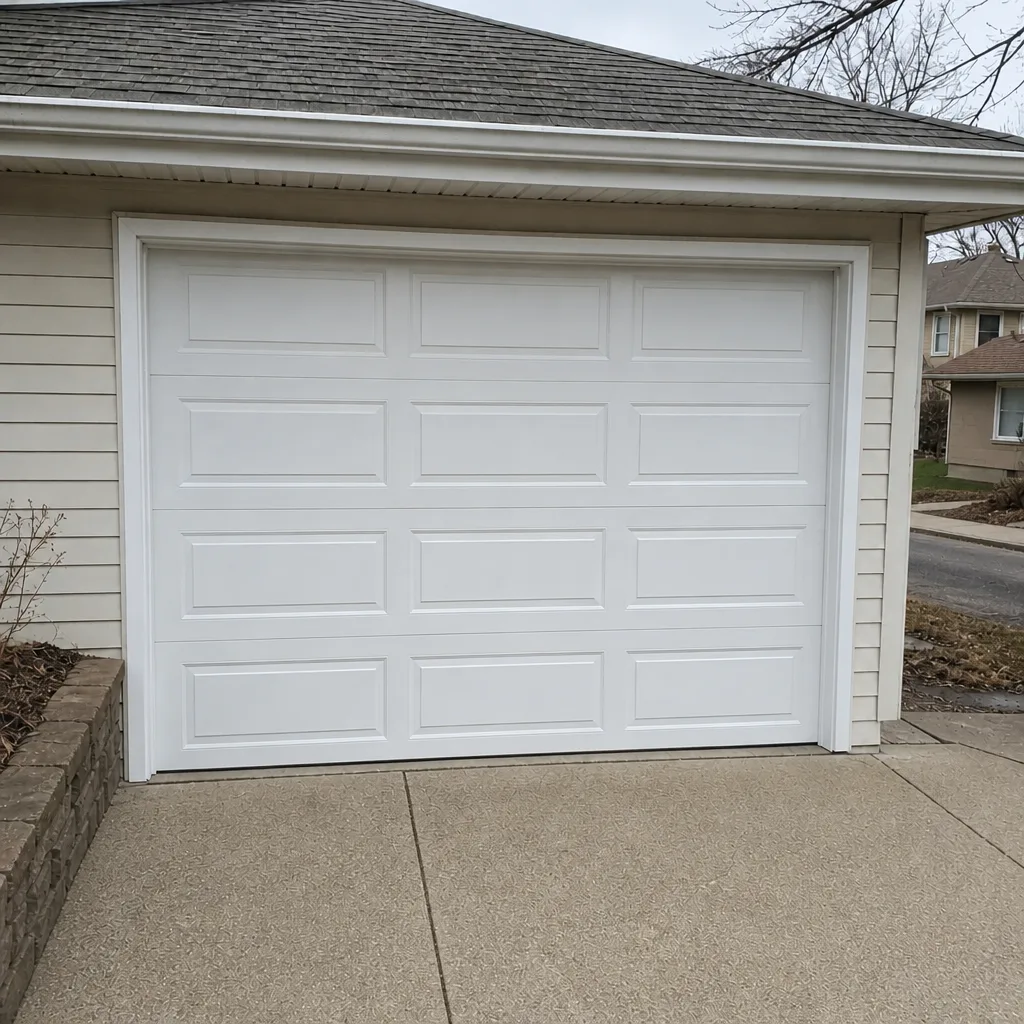
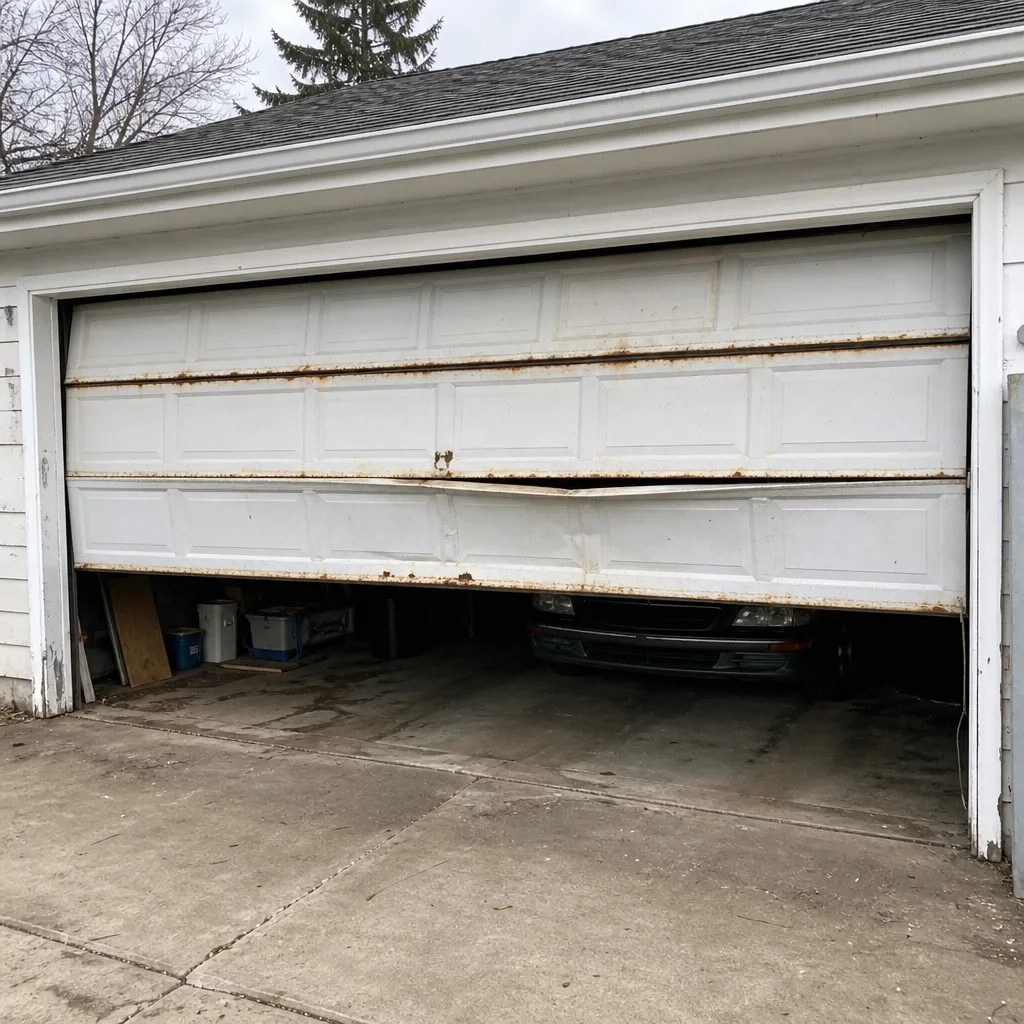
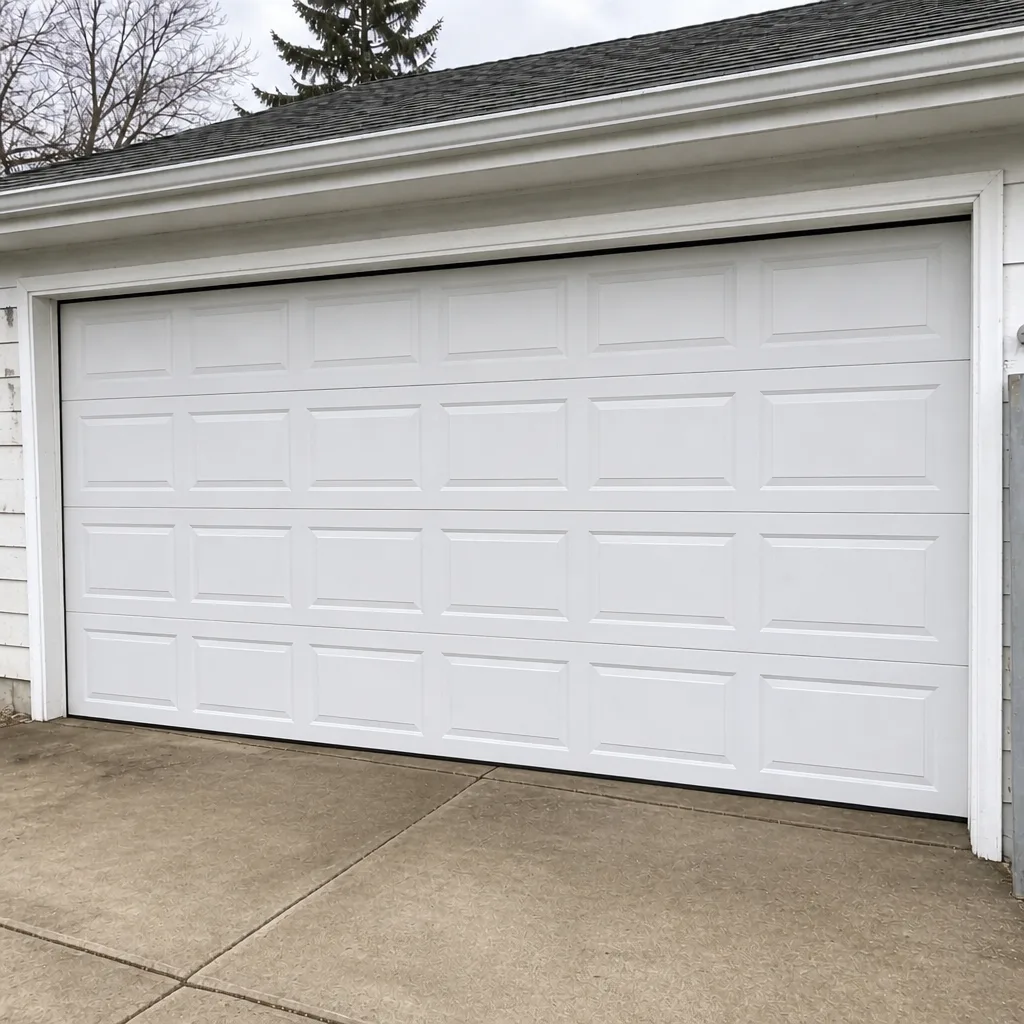
See the difference
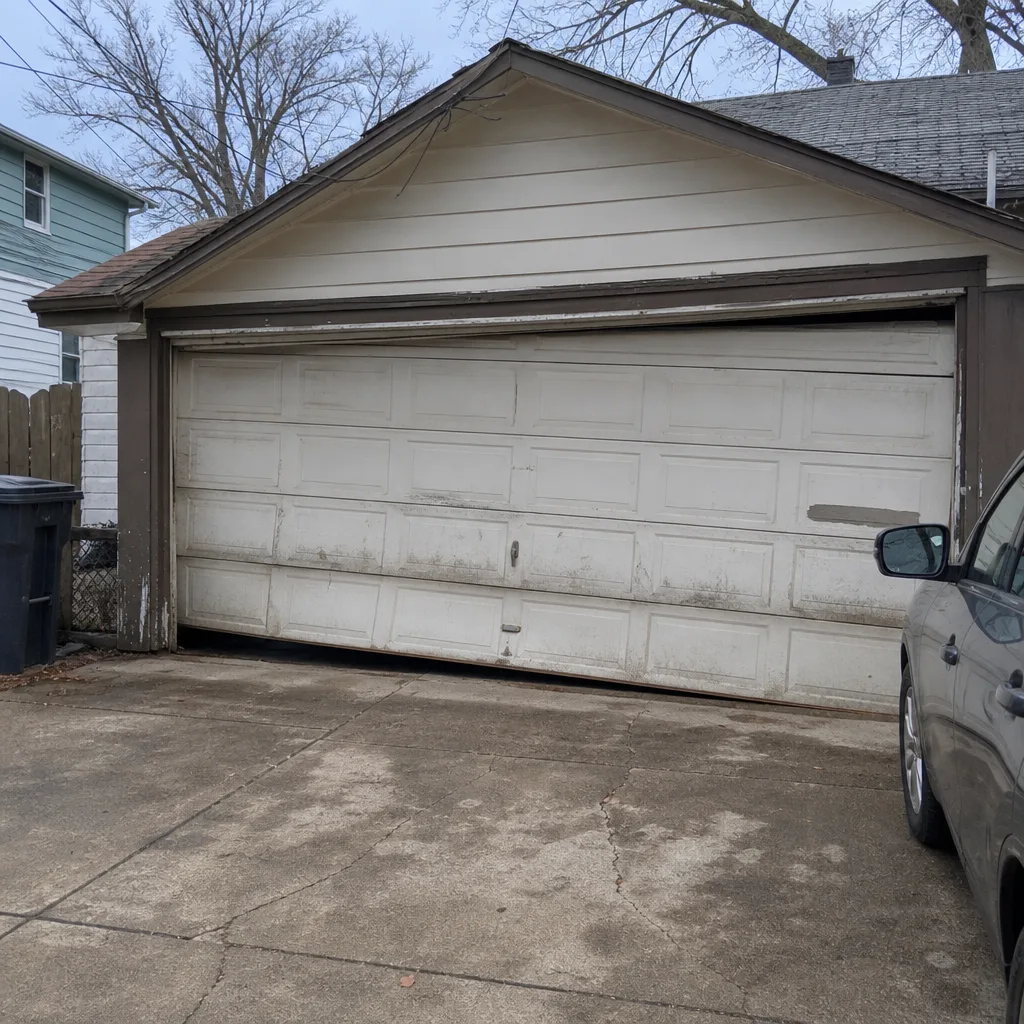 Before
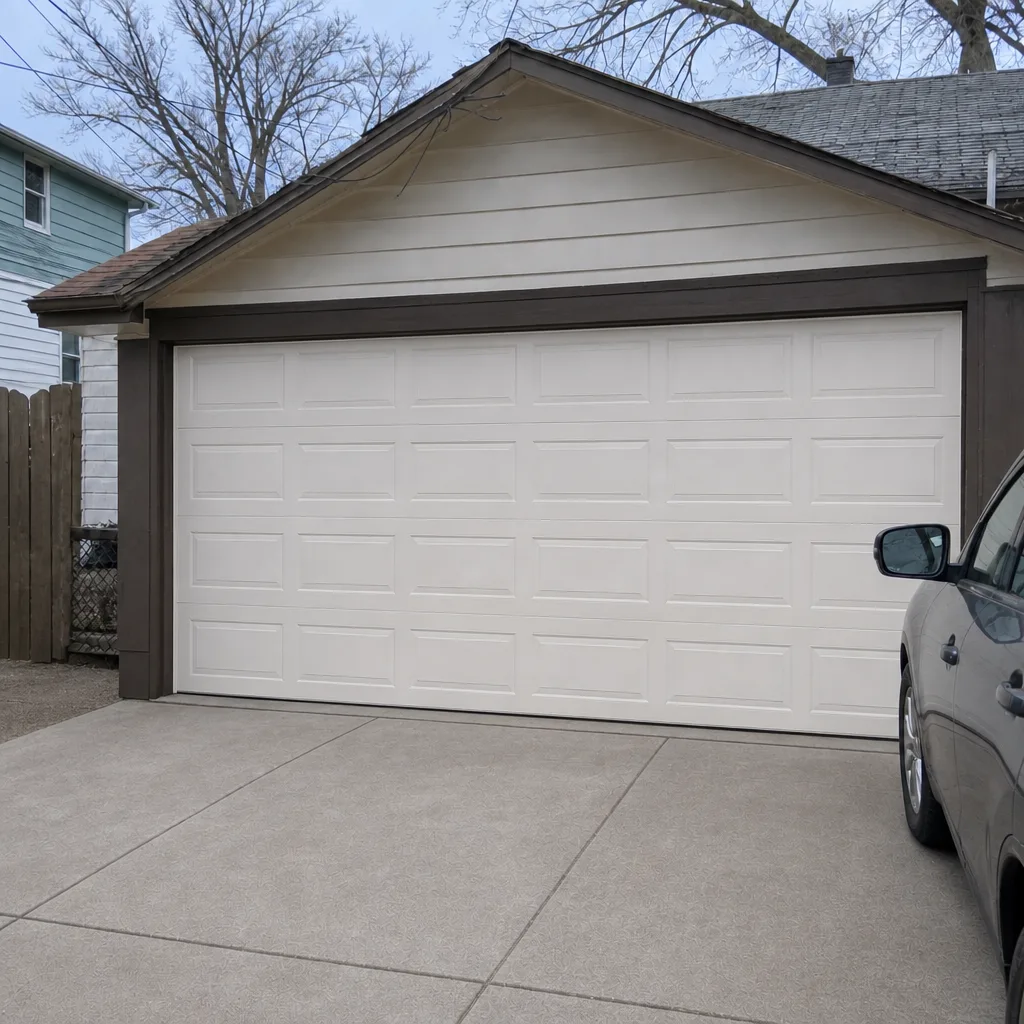 After
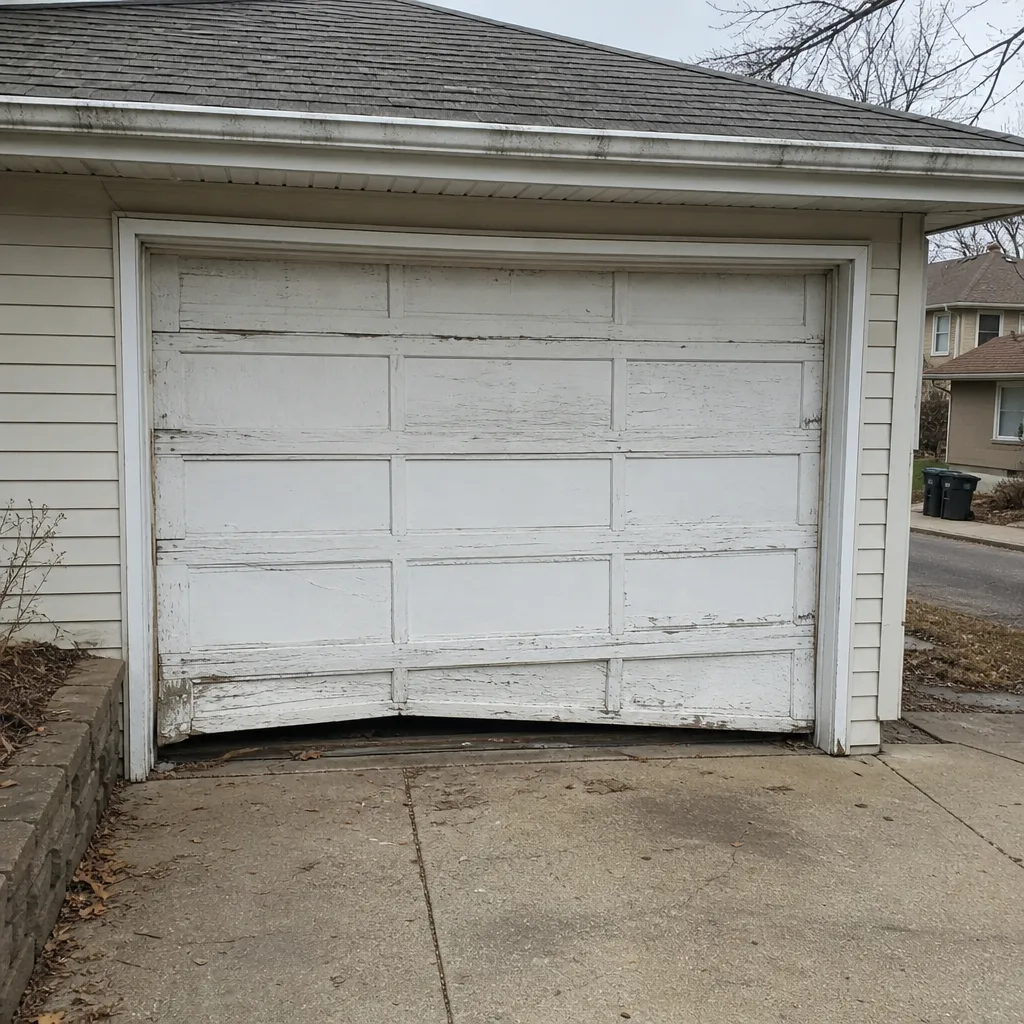 Before
 After
 Before
 After
When to Call a Professional
Call a professional if any of the following are true: you can see a broken spring or a hanging cable, the door is off its track, the door is stuck partway open, the opener is grinding or stalling, the door has dropped hard, or someone in the house relies on that door for access and mobility. Those are the failures where a small repair can turn into a track, panel, or opener problem within a day. Garage Door Repair Como offers free estimates in Como – call (855) 514-8247. We answer 24/7, with fast dispatch from 7am to 7pm, Sunday through Friday, and the quote you agree to before any work starts is the price you’ll see on the invoice. If the visit turns up something beyond what the phone call suggested, we explain it and quote it before touching the door.
Frequently Asked Questions
Yes, but only by using the manual release and only if the springs are intact and the door is fully closed. Pull the release cord on a rail-drive opener, or follow the model-specific lever on a wall-mount opener, then lift the door slowly. If it feels much heavier than normal, close it and call – that’s a spring problem, and lifting it by hand is dangerous. Call (855) 514-8247 if you’re not sure which system you have.
Stop operating the door and call a professional. Leave the door down if it’s down, don’t lift it by hand, and don’t press the opener button. A snapped spring means the door’s full weight is on the cables or the opener, and further cycles cause more damage. We answer 24/7 and can talk you through securing the door until a technician arrives.
If the door is fully down and the garage is secured, a broken spring or dead opener can usually wait for a scheduled visit rather than an emergency call. If the door is stuck open, off its track, or a car is trapped inside, treat it as an emergency and call right away. In our experience, the door that’s stuck open in winter is the one with the most to lose from waiting.
No. A door stuck open overnight exposes the garage, tools, and anything parked inside, and if the weather turns, it exposes the interior of the house. Secure the passage door between the house and garage, move valuables inside, and call before the end of the day rather than the start of the next one. We answer 24/7, and a call outside dispatch hours is booked into the next opening, Sunday through Friday, 7am to 7pm.
Not exactly. Rail-drive openers from LiftMaster, Chamberlain, Genie, and Craftsman mostly use a hanging release cord on the trolley. Wall-mount openers use a lever or a specific sequence on the housing. Clopay and Amarr doors themselves don’t have a release – that’s the opener’s job. If you’re not sure which you have, call us and describe the unit before you pull anything.
No. The price is set per job by the written estimate, and the same job costs the same whether it’s booked on a Tuesday morning or a Sunday evening. We quote before any work starts, and the written estimate sets the final price. Call (855) 514-8247 for a free estimate – we’ll tell you what’s likely going on and what the visit will cost before we dispatch.
The Bottom Line
Garage door emergencies in Como almost always fall into one of a few predictable patterns: a spring snaps, an opener dies, a door comes off its track, or the power fails at the worst moment. Each has a correct first move, and each one is far cheaper if you make that first move instead of the second or third. The quick version: keep the door still, keep the springs intact, and call before you press the button again. Prep your garage with the spare batteries and the flashlight, schedule a fall check before the cold arrives, and when the door does fail, bring in a technician who works your brand.
One call covers repair, opener work, springs, and full installation – no juggling contractors, no guessing whether the person on the phone knows a Genie from a LiftMaster. Whether you’re sorting a spring that just let go or you want to get ahead of the next one, Garage Door Repair Como is the number to keep on the fridge. Call (855) 514-8247 for a free estimate. We answer 24/7. Fast dispatch from 7am to 7pm, Sunday through Friday.
Written by the team at Garage Door Repair Como.